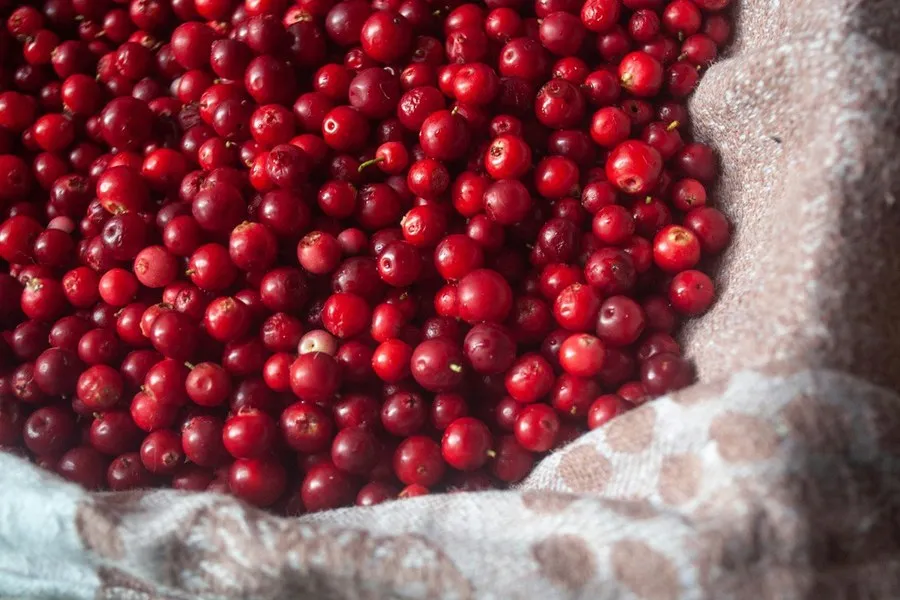
To stock up on frozen cranberries for year-round use, buy fresh ones in season (fall/winter), sort and wash them, spread them on a baking sheet to pre-freeze, then transfer to airtight bags or containers, removing air to prevent freezer burn; they’ll last up to a year in the freezer and can be used directly in recipes without thawing.
Cranberries boost health and potential longevity by delivering powerful antioxidants (like flavonoids & quercetin) that fight inflammation, support heart health (improving cholesterol & blood vessel function), enhance oral hygiene by preventing bacterial adhesion, and potentially protect against certain cancers and UTIs. Rich in Vitamin C, K, fiber, and unique A-type Proanthocyanidins (PACs), they support immunity, gut health, and reduce chronic disease risk, but choose whole or unsweetened forms to avoid added sugar, say.
Fresh, raw cranberries can add a pleasant bite and burst of color to any dish. You can eat them whole like blueberries, toss them into a salad, add them to oatmeal, or blend them into a smoothie.
Health & Nutrition Benefits
- Antioxidant Powerhouse: Packed with flavonoids, Vitamin C, and E, they combat free radicals, reducing inflammation and chronic disease risk.
- Urinary Tract Health: PACs prevent bacteria (like E. coli) from sticking to bladder walls, potentially preventing UTIs.
- Heart Health: May improve good (HDL) cholesterol, lower bad (LDL) cholesterol, and enhance blood vessel function (endothelial function).
- Oral Health: PACs also stop oral bacteria from forming plaque and gum disease.
- Stomach & Gut: May help prevent H. pylori bacteria linked to ulcers and cancer; also supports gut microbiota.
- Nutrient-Rich: Good source of fiber, Vitamin C, K, Manganese, and B vitamins.
- Choose Wisely: Raw or unsweetened cranberries are best; dried versions and juices often have excessive added sugar, negating benefits.
- Best Forms: Whole berries or unsweetened juice.