Why Vitamin D is Even More Important as You Age

vitd

Vitamin D is strongly linked to longevity due to its role in key biological processes related to aging and disease prevention. At a cellular level, adequate vitamin D levels are associated with preserving the length of telomeres, the protective caps at the ends of chromosomes that naturally shorten as cells divide and age. By potentially slowing this shortening, vitamin D may help protect DNA integrity and reduce the risk of age-related diseases like cancer and cardiovascular conditions. Vitamin D also exhibits significant anti-inflammatory and antioxidant effects, which help to mitigate “inflammaging” (chronic low-grade inflammation) and oxidative stress, major drivers of cellular damage and age-related decline

We need more vitamin D as we age because our skin becomes less efficient at producing it from sunlight, and older adults often spend more time indoors, increasing deficiency risk, while simultaneously needing it more for stronger bones (to prevent osteoporosis/fractures), better muscle strength (to prevent falls), and a healthy immune system. Vitamin D helps absorb calcium, vital for bone health, and its decline with age, coupled with reduced sun exposure, creates a greater need for supplementation or fortified foods. 

  1. Reduced Skin Synthesis: The skin’s ability to produce vitamin D from sunlight decreases significantly with age, meaning older adults make less vitamin D even with the same sun exposure as younger people.
  2. Less Sun Exposure: Many seniors spend more time indoors due to mobility issues, health concerns, or living situations, limiting natural production.
  3. Impaired Absorption/Conversion: Kidney and liver diseases, common in older age, can hinder the body’s ability to convert vitamin D into its active form. 

Key Benefits for Older Adults

  • Bone Health: Prevents osteoporosis (brittle bones) and osteomalacia (soft bones) by helping absorb calcium, reducing fracture risk.
  • Muscle Strength: Supports muscle function, which is crucial for balance and reducing falls.
  • Immune Support: Keeps the immune system strong to fight infections.
  • Other Roles: Supports nerve function, may help with blood sugar regulation (diabetes), and has anti-inflammatory effects. 

How to Get More Vitamin D

  • Sunlight: Brief, regular, unprotected sun exposure (when safe).
  • Food: Fatty fish, tofu, and and various fortified plant-based products.
  • Supplements: Often necessary to meet needs, especially for deficient individuals.

Avoid Added Sugar in Canned Fruit

fruit

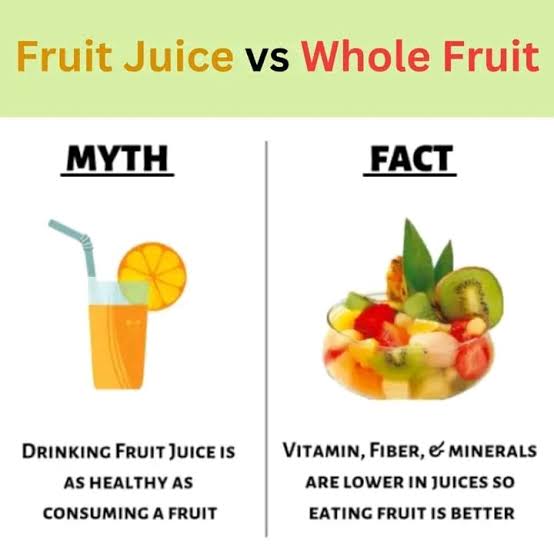
Avoiding canned fruit with added sugar is a smart idea for health and longevity because it eliminates the “empty calories” and rapid metabolic spikes that contribute to chronic disease. Unlike whole fruit, which contains fiber to slow sugar absorption, the heavy syrup in many canned varieties delivers a concentrated dose of sugar that can lead to insulin resistance, inflammation, and heart disease—all of which are major drivers of early mortality.

Health and Longevity Risks of Added Sugar in Canned Fruit

  • Accelerated Metabolic Stress: The added sugars in syrups lack the fiber found in whole fruit. This causes rapid blood sugar spikes, which can overload the liver and trigger an insulin surge, leading to weight gain and eventually type 2 diabetes.
  • Increased Cardiovascular Mortality: High intake of added sugars (including syrups) is linked to significantly higher risks of heart disease and stroke. One study showed that high added sugar intake can double the risk of death from cardiovascular disease.
  • Chronic Inflammation: Excessive sugar consumption promotes systemic inflammation. Chronic inflammation is a “silent killer” that damages blood vessels and organs, contributing to conditions like high blood pressure, certain cancers, and even cognitive decline.
  • Liver Damage: Heavy syrups often contain high-fructose corn syrup, which can lead to non-alcoholic fatty liver disease (NAFLD). Over time, this fat accumulation impairs liver function and increases metabolic risks.
  • Nutrient Degradation: The canning process, especially when fruit is stored in syrup, can destroy up to 20–40% of phytonutrients and nearly half of the vitamin C, reducing the fruit’s protective antioxidant benefits for longevity.

Better Alternatives for Longevity

If fresh fruit isn’t an option, look for these healthier alternatives to support long-term health:

  • Fruit Canned in Water: This is the healthiest canned choice as it provides the fruit’s natural nutrition without any added caloric burden.
  • Fruit Canned in 100% Juice: While better than syrup, it still has more sugar and fewer benefits than whole fruit. Be sure to drain the juice to further reduce sugar intake.
  • Frozen Fruit: Often just as nutritious as fresh, frozen fruit typically has no added sugars and retains its vitamin content better than canned versions.

Note that canned fruit packed in heavy syrup has added sugar that can quickly raise your glucose levels. The best kinds are fresh, frozen, or canned without added sugars. Any sort of canned or pasteurized fruit tends to lose its natural flavor profile which is why a lot of those products tend to be packed with sugars. Just stay away from canned fruit packed in syrups.

How to Spot Hidden Sugars on Nutrition Labels

Identifying hidden sugars and choosing high-fiber fruits are two of the most effective ways to protect your metabolic health and promote longevity.

Food manufacturers often use multiple names for sugar to make the primary ingredient (sugar) appear further down the list, as ingredients are listed in descending order by weight.

  • Check the “Added Sugars” Line: Modern FDA nutrition labels now explicitly list “Includes Xg Added Sugars”. This tells you exactly how much sugar was added beyond what occurs naturally in the fruit.
  • Watch for “-ose” Endings: Any ingredient ending in “-ose” is a type of sugar. Common examples include Sucrose, Fructose, Dextrose, Maltose, and Glucose.
  • Identify “Healthy” Sounding Aliases: Labels often use terms like Agave Nectar, Cane Juice, Fruit Juice Concentrate, or Rice Syrup. While they may sound natural, your body processes them as added sugar.
  • The “Top Three” Rule: If any form of sugar appears in the first three ingredients, the product is likely very high in sugar.

How Intermittent Fasting Upgrades Cellular Defense in the Aging Brain

br

Intermittent fasting (IF) is a powerful tool for extending healthspan, acting as a structural reset for neural biology. Recent research shifts the narrative from pure weight loss to how metabolic switches optimize cognitive resilience.

The Metabolic Switch and Cellular Defense

Fasting triggers a shift from glucose to fat-derived energy. This shift acts as an evolutionary stress-test that upgrades the brain’s internal architecture.

  • Ketone Fueling: Depleting liver glycogen forces the liver to produce ketone bodies like beta-hydroxybutyrate (BHB). Ketones burn more efficiently than glucose, reducing oxidative stress and providing stable, long-lasting mental energy.
  • Autophagy Activation: Fasting downregulates the mTOR pathway, pushing neurons into a resource-conservation mode. This triggers autophagy, a self-cleaning mechanism that clears out damaged mitochondria and misfolded proteins (like amyloid-beta) before they can cause cognitive decline.
  • The BDNF Boost: Metabolic switching dramatically increases Brain-Derived Neurotrophic Factor (BDNF). BDNF acts like fertilizer for the brain. It stimulates neuroplasticity, strengthens synaptic connections, and protects existing neurons from age-related degradation.

Key Recent Discoveries

1. Rewiring the Gut-Brain Axis

Data shows a direct correlation between intermittent fasting, changes in the gut microbiome, and functional shifts in the brain. Diet protocols like alternate-day fasting significantly increase beneficial bacteria (such as Faecalibacterium prausnitzii) while lowering pro-inflammatory strains like E. coli.

These microbial changes map directly to decreased activity in brain regions associated with addiction and appetite. Simultaneously, they increase activity in the left orbital inferior frontal gyrus, a region essential for executive function and willpower.

2. Reversing the “Brain Age Gap”

Clinical trials evaluating the 5:2 fasting regimen in older, insulin-resistant adults show that intermittent fasting successfully narrows the brain-age gap on MRI scans. By decreasing brain glucose and reducing localized insulin resistance, fasting helps correct the pace of biological brain aging.

3. Therapeutic Neuroprotection

While still under investigation for long-term preventative efficacy, human clinical trials show that intermittent fasting offers noticeable symptom management for neurological conditions. Notable improvements in fatigue, sleep quality, and systemic neuroinflammation have been documented in patients managing Multiple Sclerosis and cognitive decline.

4. The “Brain Fog” Myth Debunked

Large-scale reviews have updated our understanding of acute fasting and daily productivity. While fasting does not grant instant superhuman intelligence, it also does not diminish cognitive performance, decision-making speed, or memory accuracy in healthy adults. The brain adapts seamlessly to brief periods without food. However, children and teenagers should avoid extended fasts, as younger brains show a slight performance reduction when deprived of glucose.

How Chin-Ups Mitigate Age-Related Muscle Loss

ch

Chin-ups are a premier longevity exercise because they serve as a definitive indicator of functional strength-to-weight ratio, upper-body power, and biological youth. As we age, maintaining explosive power and muscle mass becomes critical for defending against metabolic decline, frail joints, and age-related muscle loss (sarcopenia).

1. Metabolic Protection & Sarcopenia Defense

  • Large Muscle Recruitment: Chin-ups target massive muscle groups simultaneously. They heavily engage the latissimus dorsi, biceps, rhomboids, trapezius, and core.
  • Sarcopenia Defense: Aging naturally degrades fast-twitch muscle fibers responsible for power. Chin-ups force these high-threshold motor units to fire, preserving youthful physical capability.
  • Hormonal Response: Taxing multiple large muscle groups triggers a robust systemic release of growth hormone and testosterone. This chemical surge aids fat loss, bone density, and overall cellular repair.

2. Joint Integrity & Functional Shoulder Mobility

  • Decompression: Hanging dynamically unloads and decommissions compressed spinal discs. It counters the hunched, seated postures common in modern life.
  • Active Mobility: Moving through a full vertical pulling range of motion restores functional shoulder flexion. This overhead mobility is frequently lost with age.
  • Rotator Cuff Stability: The exercise builds balanced scapular control and rotator cuff strength. This stability insulates the shoulder joint against future tears and impingement.

3. Grip Strength as a Longevity Biomarker

  • Mortality Predictor: Clinical studies consistently link strong grip strength to lower all-cause mortality, better cardiovascular health, and higher survival rates from chronic diseases.
  • Neural Drive: Chin-ups require your hands to support your entire body weight. This demand intensely trains your forearms and nervous system, directly improving your functional grip profile.

4. Closed-Kinetic Chain Efficiency

  • Real-World Power: Chin-ups are a closed-kinetic chain movement, meaning your hands are fixed while your body moves through space.
  • Neuromuscular Coordination: This requires far greater core stabilization, spatial awareness, and inter-muscular coordination than open-chain exercises like the lat pulldown.
  • Relative Strength Indicators: If your body fat rises or your muscle mass decreases, your chin-up performance drops immediately. It acts as an honest, built-in health dashboard.

Longevity-Focused Execution Tips

To maximize wellness benefits while protecting your joints over a lifetime, alter your form using these strategic guidelines:

  • Use a Neutral Grip: If straight-bar underhand chin-ups bother your elbows or wrists, use a neutral grip (palms facing each other). This reduces strain on the medial epicondyle (preventing “golfer’s elbow”).
  • Prioritize the Dead Hang: Start each repetition from a full dead hang to get the spinal decompression benefits, but keep your shoulder blades slightly packed (engaged) to protect the tendons.
  • Control the Eccentric Phase: Do not simply drop down. Lower your body over a controlled 2-to-3-second count to build tendon density and maximize muscle hypertrophy.

5 Daily Habits That Starve Cancer and Add Years to Your Life

ca

To maximize your healthy lifespan (longevity), cancer prevention must focus on eliminating metabolic dysfunction, reducing chronic inflammation, and avoiding DNA damage.

Here are the five most impactful, evidence-based actions you can take to prevent cancer from a longevity perspective:

1. Maintain Metabolic Health and Insulin Sensitivity

Chronic metabolic dysfunction is a primary driver of cancer growth. Cellular biologists emphasize that insulin and insulin-like growth factor (IGF-1) act as powerful growth signals for mutated cells.

  • The Mechanism: Chronic high blood sugar and elevated insulin levels create an optimal environment for tumor proliferation.
  • Actionable Step: Limit refined carbohydrates and added sugars to prevent glycemic spikes.
  • Longevity Strategy: Prioritize time-restricted feeding or intermittent fasting, which lowers baseline insulin and stimulates autophagy (the cellular cleanup process that removes damaged components before they turn malignant).

2. Eliminate Tobacco and Limit Alcohol Consumption

Avoiding cellular carcinogens directly protects your DNA from the mutations that initiate cancer.

  • The Mechanism: Tobacco smoke contains dozens of carcinogens that directly mutate tumor-suppressor genes like p53. Alcohol metabolizes into acetaldehyde, a toxic chemical that causes DNA strand breaks and impairs DNA repair mechanisms.
  • Actionable Step: Completely eliminate all forms of tobacco and vaping. Limit alcohol to weekend use, or eliminate it entirely.
  • Longevity Strategy: View alcohol not just as a carcinogen, but as a disruptor of sleep quality and gut barrier integrity. A compromised gut barrier allows toxins into the bloodstream, triggering systemic inflammation.

3. Build Muscle Mass and Stay Physically Active

Exercise is a powerful oncology intervention that alters the systemic environment of your body to make it hostile to cancer.

  • The Mechanism: Physical activity lowers systemic inflammation, reduces circulating estrogen and insulin, and enhances immune surveillance (the immune system’s ability to find and destroy early-stage cancer cells).
  • Actionable Step: Aim for at least 150 minutes of moderate aerobic exercise (like Zone 2 cardio) and two sessions of resistance training per week.
  • Longevity Strategy: Focus heavily on resistance training to build muscle mass (skeletal muscle). Muscle acts as a metabolic sink for glucose, protecting you from insulin resistance, and prevents frailty as you age.

4. Optimize Diet to Reduce Chronic Inflammation

Cancer thrives in a highly oxidized, inflammatory microenvironment. Your diet should serve as an anti-inflammatory shield.

  • The Mechanism: Ultra-processed foods and industrial seed oils high in omega-6 fatty acids promote oxidative stress. This stress damages cell membranes and DNA over time.
  • Actionable Step: Adopt a Mediterranean-style whole-foods diet rich in cruciferous vegetables (broccoli, Brussels sprouts), wild-caught fish, berries, and olive oil.
  • Longevity Strategy: Incorporate cruciferous vegetables daily. They contain sulforaphane, a compound that activates the NRF2 pathway, triggering the body’s most potent internal antioxidant and detoxification defenses.

5. Prioritize Restorative Sleep and Circadian Alignment

Sleep is the precise window when your body executes deep cellular repair and genetic maintenance.

  • The Mechanism: Sleep deprivation disrupts the circadian rhythm, which regulates cell division and DNA repair. Melatonin, produced during deep sleep, is also a highly potent antioxidant that scavenges free radicals.
  • Actionable Step: Sleep for 7 to 8 hours per night in a completely dark, cool room. Keep a strict, consistent wake-up time.
  • Longevity Strategy: Disconnect from blue-light screens at least one hour before bed. Deep, uninterrupted sleep maximizes the nightly activity of Natural Killer (NK) cells, your immune system’s first line of defense against emerging tumors.