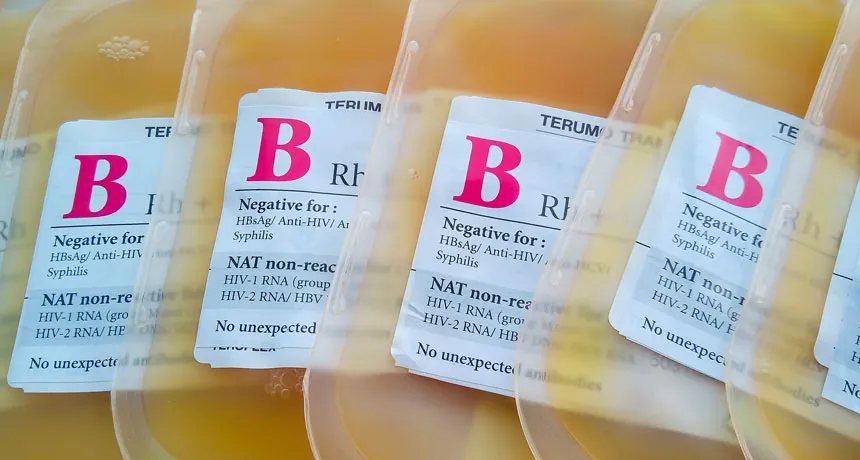
Selling plasma for longevity reasons is a highly controversial practice that major health agencies do not recommend due to a lack of scientific proof, high costs, and potential health risks.
While the concept of “young plasma” rejuvenating older tissue gained massive media attention, clinical evidence in humans remains virtually nonexistent. Spending thousands of dollars on these procedures is widely considered a waste of money and a exploitation of vulnerable consumers.
Here is a detailed breakdown of why you should beware of companies offering plasma for anti-aging and longevity purposes.
The Scientific Reality vs. The Hype
The longevity plasma craze stems from a legitimate scientific technique called parabiosis. In laboratory studies, scientists surgically connected the blood vessels of young mice to old mice. The older mice showed temporary signs of cellular improvement.
However, translating this to humans has failed to show the same results:
- Mice are not humans: Animal studies rarely translate perfectly to human biology.
- Dilution vs. Rejuvenation: Many scientists believe the benefits seen in mice weren’t from “magical” young blood, but rather from diluting the accumulated toxins and inflammatory proteins in the old mouse’s blood.
- No clinical proof: There are no robust, large-scale, peer-reviewed clinical trials showing that infusing young plasma extends human lifespan or reverses aging.
Official Warnings from Health Authorities
Regulatory bodies have explicitly stepped in to warn the public against these practices. The U.S. Food and Drug Administration (FDA) issued an official safety communication stating that young plasma infusions have no proven clinical benefit for curing, mitigating, treating, or preventing the natural aging process.
The FDA explicitly warned that marketing these treatments for anti-aging is a deceptive practice that preys on consumer hopes.
Major Risks and Downsides
- Exorbitant Costs: Companies operating in this space often charge anywhere from $8,000 to $12,000 per infusion. Because there is no medical necessity, health insurance will never cover it, making it a massive financial drain for a purely experimental treatment. [
- Known Medical Risks: Intravenous plasma infusions are not harmless. Standard risks of receiving blood products include:
- Allergic reactions and anaphylaxis.
- Transfusion-related acute lung injury (TRALI), which can be fatal.
- Infectious disease transmission, though rare due to screening.
- Circulatory overload, which can strain the heart, especially in older adults.
- The “Scam” Business Model: Some clinics have historically structured these treatments as “pay-to-participate” clinical trials. They charge patients thousands of dollars to be part of a “study” that lacks proper control groups (like placebos), meaning the data gathered is scientifically useless.