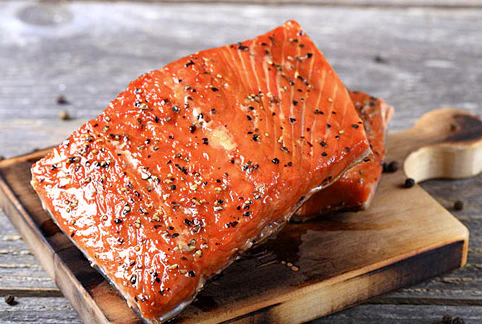
You’ve no doubt heard that all of us should be eating omega-3 fatty acids. Let’s take a quick look at why these are so important to out health.
The long-chain versions of omega-3 fatty acids (EPA and DHA) found in fatty fish, are critical for health because they integrate into cell membranes to enhance structural integrity and facilitate efficient cellular communication. They are widely recognized for promoting longevity by reducing chronic inflammation—a primary driver of age-related diseases—through the inhibition of pro-inflammatory cytokines and the production of specialized pro-resolving mediators (SPMs). Clinical research demonstrates that daily omega-3 intake can significantly slow the process of biological aging, with studies showing a reduction in epigenetic age by several months over a three-year period. Additionally, regular consumption is strongly linked to improved cardiovascular outcomes, such as lower triglycerides and blood pressure, as well as neuroprotective benefits that may reduce the risk of cognitive decline and dementia.
The healthiest and most effective food options for omega-3 fatty acids are categorized by the specific type they provide: EPA/DHA (found in marine sources) and ALA (found in plants). For optimal health, focus on marine sources, as they are the only practical way to directly obtain the most beneficial forms—EPA and DHA—which the body cannot produce efficiently on its own.
Top Seafood Sources (Rich in EPA & DHA)
These provide the “active” forms of omega-3s essential for heart and brain health. Health professionals recommend the “SMASH” fish for high omega-3 content and low mercury levels.
- Mackerel: One of the most concentrated sources, providing roughly 4.1g to 4.6g per 3.5 oz serving.
- Salmon (Wild or Farmed): A powerhouse with approximately 1.8g to 2.2g per serving.
- Herring: Provides about 1.7g to 2.1g per serving; often sold smoked or pickled.
- Sardines: Contain nearly 1.5g per serving and are also rich in calcium if eaten with bones.
- Anchovies: Tiny but potent, offering about 2.1g per 3.5 oz serving.
- Oysters: Provide roughly 0.4g to 0.7g per serving, along with high levels of zinc and B12.
Top Plant-Based Sources (Rich in ALA)
Plants provide ALA, which the body must convert into EPA/DHA. Because this conversion rate is limited (often below 15%), higher quantities are needed.
- Flaxseeds (Ground): The richest whole food source of ALA, containing 2.35g per tablespoon. Use ground seeds for absorption.
- Chia Seeds: Highly versatile, offering 5.0g of ALA per ounce.
- Walnuts: The only tree nut with a significant amount of ALA, providing 2.57g per ounce (about 14 halves).
- Algal Oil: A unique vegetarian option that provides direct DHA and EPA, making it a highly effective plant-based alternative.