Soluble fiber promotes longevity by lowering bad cholesterol and blood sugar, reducing risks for heart disease and type 2 diabetes, and acting as a prebiotic to feed beneficial gut bacteria, which strengthens immunity and reduces inflammation, ultimately lowering risks for many chronic diseases and all-cause mortality. It helps manage weight by increasing fullness, supports a healthy gut microbiome by producing anti-inflammatory compounds (short-chain fatty acids), and is linked to lower rates of several cancers, all contributing to a longer, healthier life.
Soluble fiber is crucial because it forms a gel in the gut, slowing digestion to help control blood sugar, lower “bad” LDL cholesterol, and promote fullness, while also feeding beneficial gut bacteria (prebiotic effect) for better immunity and creating short-chain fatty acids that support gut health and metabolism, reducing risks for heart disease, diabetes, and inflammation. It aids in both constipation and diarrhea by regulating bowel movements and is found in oats, beans, apples, and citrus.
Key Benefits of Soluble Fiber
- Blood Sugar Control: Slows sugar absorption, preventing spikes and helping manage or prevent Type 2 diabetes.
- Heart Health: Binds to cholesterol and helps remove it from the body, lowering LDL (“bad”) cholesterol and reducing heart disease risk.
- Gut Health: Acts as a prebiotic, feeding good gut bacteria, which produces beneficial short-chain fatty acids (SCFAs) that strengthen the gut lining and immune system.
- Digestive Regulation: Helps manage both constipation (by adding bulk/softness) and diarrhea (by forming a gel).
- Weight Management: Slows digestion, increasing satiety and helping you feel full longer.
How To Increase Soluble Fiber
To start eating more soluble fiber, gradually add high-fiber foods like oats, beans, fruits (apples, berries), and vegetables (carrots, broccoli) to your meals, while increasing your water intake to help your body adjust and prevent gas.
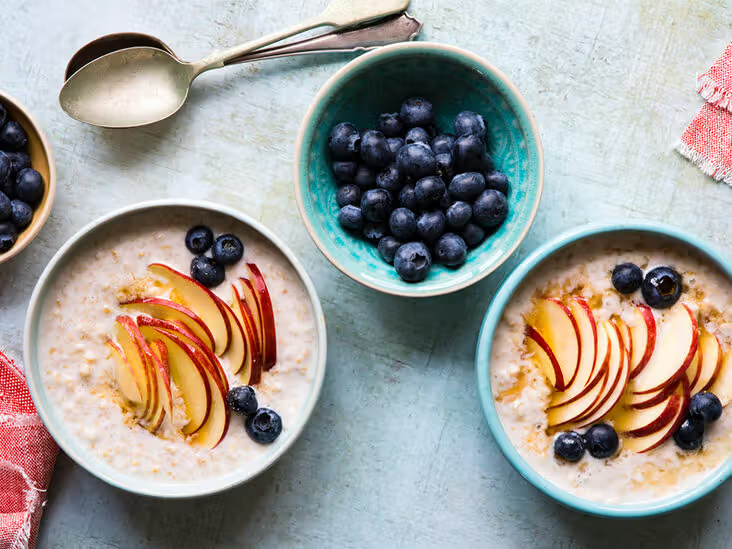
- Breakfast: Have oatmeal topped with berries or chia seeds.
- Lunch/Dinner: Add beans or lentils to soups, salads, or chili.
- Snacks: Snack on an apple, carrots with hummus, or a handful of nuts.
- Drinks: Choose whole fruit over juice and drink plenty of water.
- Grains: Switch to whole grains like brown rice and whole-wheat bread.