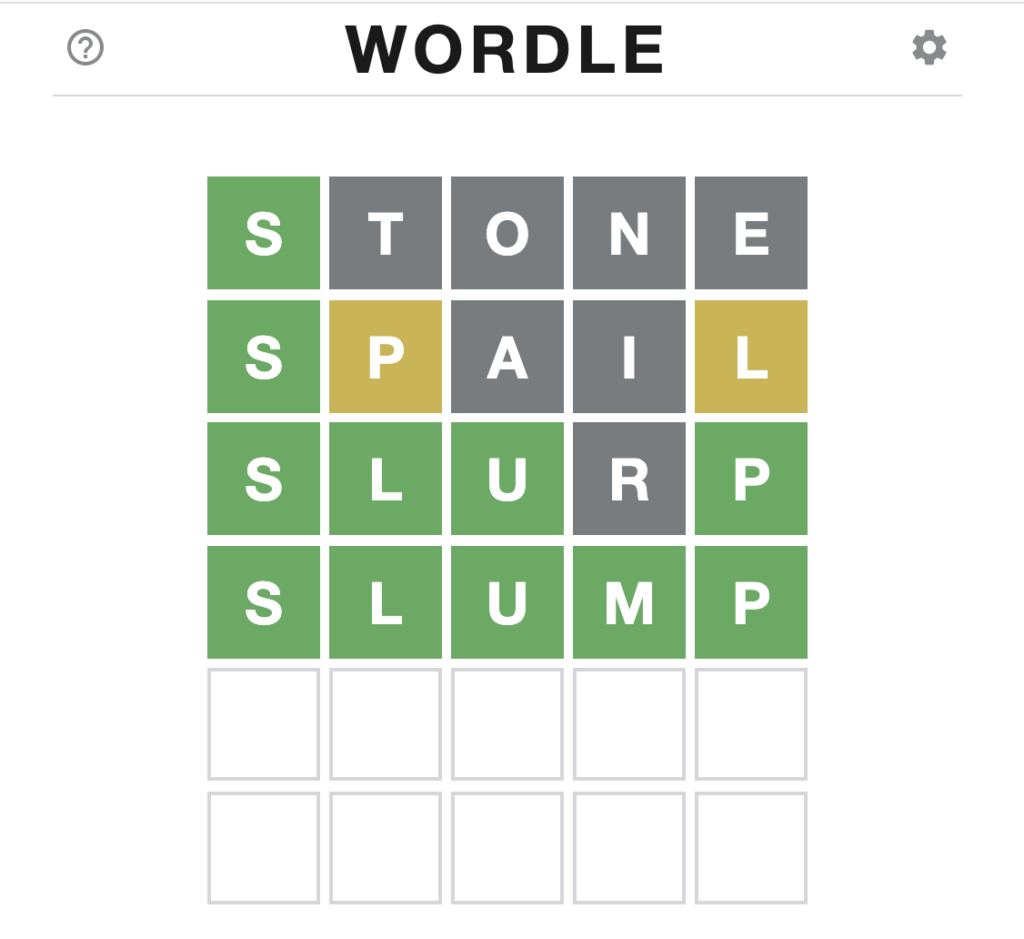
Playing Wordle and similar games daily offers some cognitive benefits like stress relief (dopamine boost) and mental engagement, improving focus, vocabulary, and problem-solving, but it’s not a miracle cure for brain aging; it’s best combined with diverse activities like reading, learning new skills, and social interaction for true brain health and longevity, as getting better at Wordle doesn’t automatically boost overall brain power.
Benefits of daily Wordle
- Dopamine boost: Guessing correctly provides a small reward, acting as a stress reducer, says neurologist Amy Sanders.
- Cognitive stimulation: It challenges your brain with problem-solving, pattern recognition, and vocabulary.
- Focus & Memory: Helps improve attention, concentration, and memory, according to speech-language pathologist Kayla Jones.
- Social Connection: Can become a fun way to connect with family and friends daily, says Baptist Health.
Limitations & What’s Better
- Not a magic bullet: Experts caution that you primarily get better at Wordle itself, not necessarily overall cognitive function.
- Variety is key: Experts, like UO psychology professor Ulrich Mayr, suggest mixing it up with learning new things, reading, computer use, and social activities for better cognitive reserve.
- Group activities are best: Rochester Regional Health notes that group games (like Scrabble) or physical activities with others offer more comprehensive brain benefits than solo games.
The Bottom Line
Enjoy Wordle as a fun, quick mental “vitamin” and stress reliever, but don’t rely on it as your sole strategy for long-term brain health; combine it with a varied, active lifestyle for the best results.
Yo, check out tojay! It’s pretty slick. Heard some good things about their platform. Makes things simple, you know? Definitely worth a look. tojay
Alright, xbjili is on my radar. Gotta say, the interface looks clean. And I’m hearing they got some good payouts. Might just throw some chips their way and see what’s up. xbjili
Hey, 23betapp, never heard of that one before but sounds interesting. Gotta try it out. Let’s see what the excitement is. 23betapp