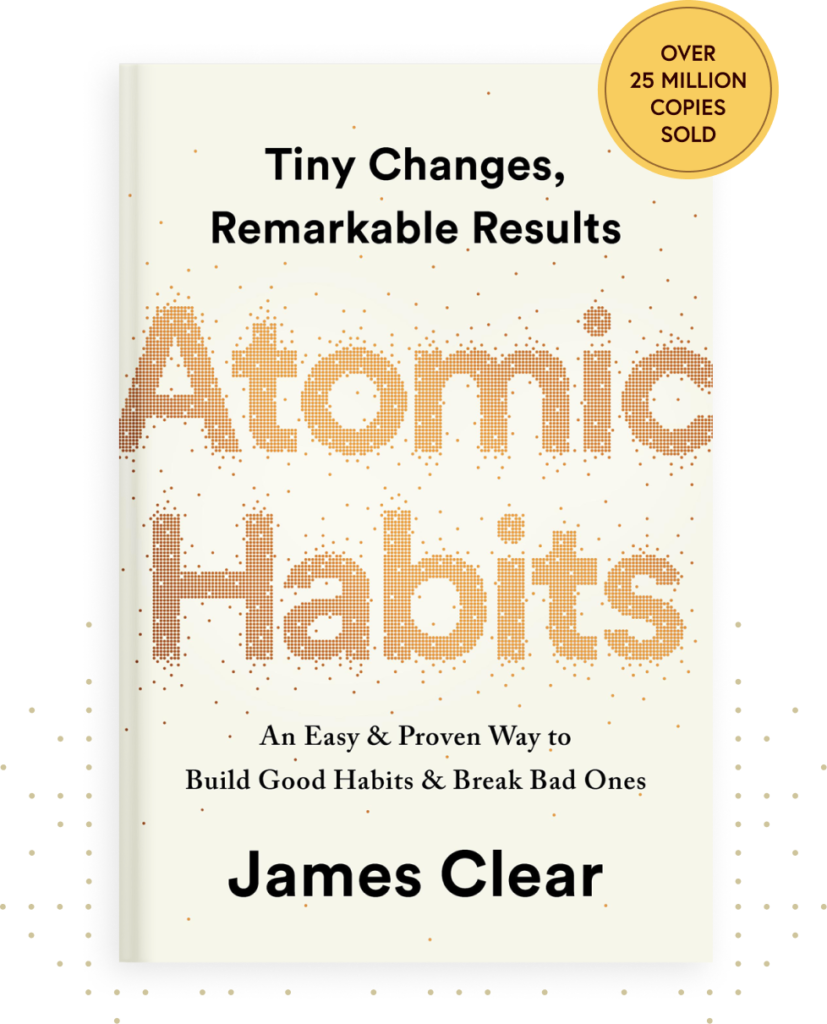
Atomic Habits by James Clear emphasizes that tiny, 1% daily improvements compound into remarkable results, focusing on building small, consistent habits (atomic habits) that align with your desired identity, rather than just chasing outcomes, using a four-step framework (cue, craving, response, reward) and the Four Laws of Behavior Change: Make it Obvious, Attractive, Easy, and Satisfying to build good habits, and the reverse to break bad ones, with key strategies like habit stacking, environment design, and the Two-Minute Rule.
Using techniques from Atomic Habits is great for longevity and wellness because it shifts focus from overwhelming goals to tiny, sustainable actions that compound into major health improvements, making healthy behaviors easy, attractive, obvious, and satisfying, thereby building resilient routines for a longer, healthier life. It promotes consistency over intensity, leverages environmental design, and fosters an identity as a healthy person, making wellness a natural part of who you are.
Core Concepts:
- Systems over Goals: Focus on the process (your habits and systems) rather than just the outcome (goals) for lasting change, as results are a byproduct of the system.
- Identity-Based Habits: Your habits are evidence of your identity; change your habits to embody the person you want to become (e.g., “I am a reader” vs. “I want to read more”).
- Compounding Effects: 1% daily improvement leads to being 37 times better in a year, highlighting the power of small, consistent actions.
The Four Laws of Behavior Change:
- Make it Obvious (Cue): Design your environment so good habits are visible (e.g., put gym clothes out).
- Make it Attractive (Craving): Pair desired habits with things you enjoy (habit stacking: “After I pour my coffee, I will meditate”).
- Make it Easy (Response): Reduce friction; start new habits with the “Two-Minute Rule” (e.g., meditate for two minutes).
- Make it Satisfying (Reward): Make good habits immediately rewarding to encourage repetition (e.g., use a habit tracker).
Key Strategies:
- Habit Stacking: Link a new habit to an existing one.
- Environment Design: Make good habits inevitable and bad habits impossible.
- The Two-Minute Rule: Start new habits with a tiny, two-minute version.
- Never Miss Twice: A slip-up is okay, but don’t let it become a pattern.
- Track Your Habits: Visual progress boosts motivation.