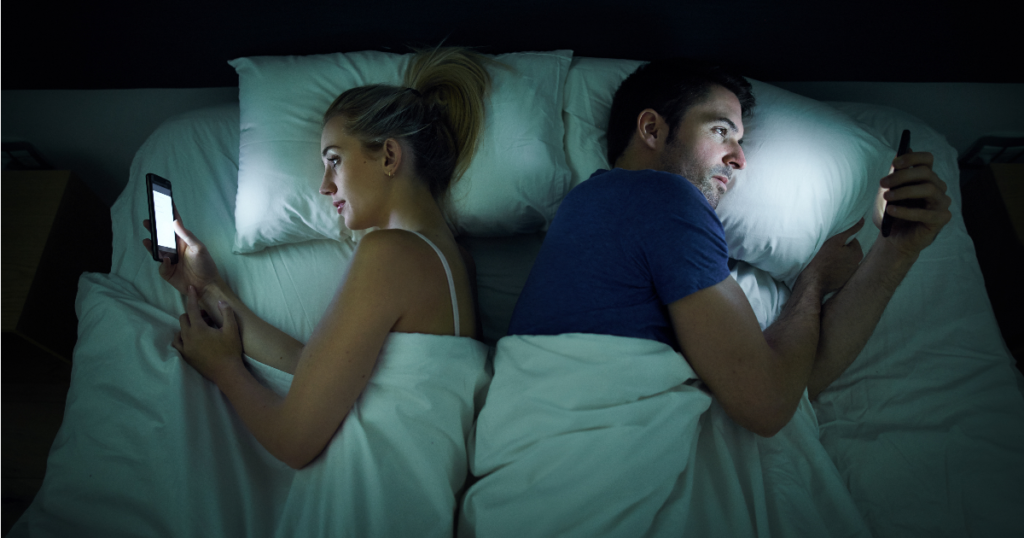
Shutting off social media a few hours before bedtime is highly beneficial for wellness and longevity because it mitigates the negative impacts of blue light on sleep cycles, reduces psychological stimulation (stress/anxiety), and allows the brain to enter a state of restful, restorative calm. By fostering better sleep quality, which is essential for immune function, cognitive repair, and mental health, this habit helps prevent chronic illnesses and contributes to overall longevity.
Let’s look deeper at why this practice supports wellness and longevity:
1. Protects Sleep Quality and Circadian Rhythms (Biological Health)
- Melatonin Regulation: Screens on smartphones and tablets emit blue light that mimics daylight, which signals the brain to suppress the production of melatonin, the hormone responsible for regulating sleep-wake cycles.
- Combating “Biological Insomnia”: Studies show that using screens within 2 hours of bedtime can significantly reduce the melatonin surge needed to fall asleep, with one study indicating this creates a form of biological insomnia.
- Better Sleep Architecture: Limiting blue light exposure, particularly 30–60 minutes before bed, improves sleep quality, specifically increasing the ratio of deep, restorative sleep.
2. Reduces Mental Stimulation and “Doomscrolling” (Psychological Health)
- Lowers Cortisol and Anxiety: Social media feeds often contain distressing news or curated images that trigger negative emotions, such as social comparison, fear of missing out (FOMO), or anxiety, which directly hinder the ability to fall asleep.
- Stops Cognitive Arousal: Engaging with interactive content keeps the brain alert, while cutting it off allows for the necessary mental downshift. Passive activities, like reading a book, are less likely to keep the mind buzzing, say experts.
- Reverses “Brain Rot”: A break allows the brain’s dopamine system, often overstimulated by endless scrolling and notifications, to reset, which is crucial for reducing chronic stress.
3. Fosters Long-Term Physical Health and Longevity
- Reduces Chronic Illness Risk: Poor sleep is linked to serious, long-term health problems, including cardiovascular disease, diabetes, obesity, and cognitive decline.
- Improved Cognitive Function: Short-term digital detoxes, including limiting nighttime use, can improve attention spans and reverse some aspects of age-related cognitive decline.
- Lowered Inflammation: Better sleep hygiene reduces the need for pharmaceutical sleep aids and lowers the oxidative stress and inflammation that impair immune function.
4. Improves Mental Well-being
- Reduced Anxiety and Depression: Studies have found that a short-term reduction in social media use (specifically, a detox) resulted in a 16% reduction in anxiety symptoms, 24% decrease in depression, and 14.5% decrease in insomnia.
- Increased Mindfulness: Removing the compulsion to check social media allows the mind to enter a state of relaxation and mental clarity.
Recommendations for Implementation
- One-to-Two Hour Buffer: Experts suggest turning off all screens at least 30–60 minutes before bed, and ideally two hours if you struggle with sleep.
- Charge Outside the Bedroom: Keep phones and tablets out of the bedroom to remove the temptation to scroll in bed, which is a common cause of insomnia.
- Replace with Low-Stimulation Activities: Swap the phone for a book, light stretching, yoga, or a warm bath.