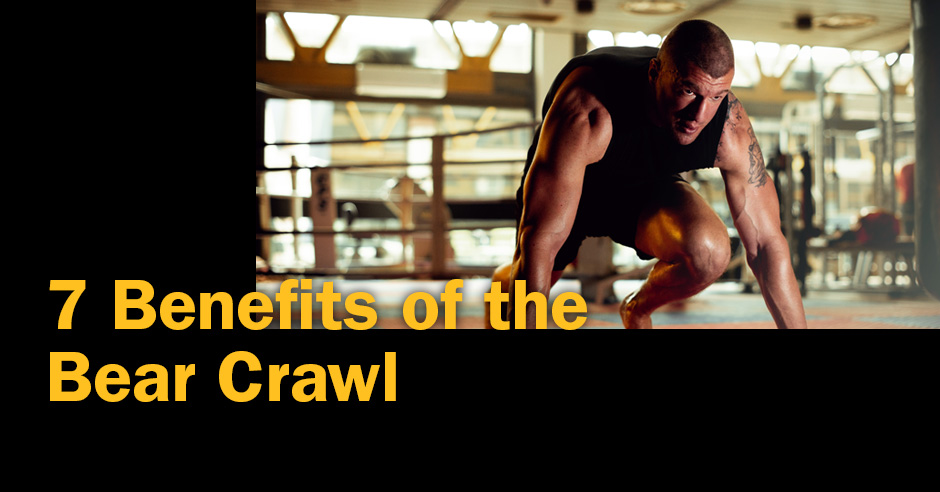
Practicing the bear crawl contributes to longevity by enhancing the functional fitness skills needed to maintain a high quality of life while aging, such as improved mobility, stability, balance, coordination, and total-body strength. This functional strength reduces injury risk and makes daily tasks more manageable.
Key Longevity Benefits
- Improved Mobility and Joint Health The bear crawl is a natural, low-impact movement that improves the range of motion and flexibility in key joints like the hips, shoulders, wrists, and ankles. Maintaining joint health is crucial for staying active throughout life.
- Enhanced Core Strength and Spinal Stability This exercise is a dynamic plank variation that forces deep core muscles (abdominals, obliques, and back muscles) to work intensely to stabilize the spine and resist twisting. A strong, stable core is fundamental for good posture, balance, and preventing back pain as you age.
- Reduced Injury Risk By building functional “armor” through improved stability and motor control, the bear crawl helps protect against unexpected injuries. The integrated strength and stability gained translate to better movement patterns in other activities, from lifting objects to walking.
- Better Balance and Coordination The contralateral movement pattern (moving the opposite arm and leg simultaneously) challenges and enhances the brain’s ability to coordinate movement. This improved coordination and balance is a critical life skill that can decrease the risk of falls and injuries later in life.
- Total-Body Functional Strength As a compound, bodyweight exercise, the bear crawl engages nearly every muscle group, including the shoulders, chest, back, glutes, quads, and hamstrings. This type of functional strength directly translates to real-life tasks, helping individuals maintain independence and strength for everyday activities.
- Cognitive Benefits The mental focus required to maintain proper form and coordinate the movements also provides a psychological challenge, which can help sharpen cognitive skills and body awareness (proprioception).
- Cardiovascular Health While a strength exercise, moving consistently during the bear crawl elevates the heart rate, providing a low-impact cardiovascular workout that contributes to overall heart health.