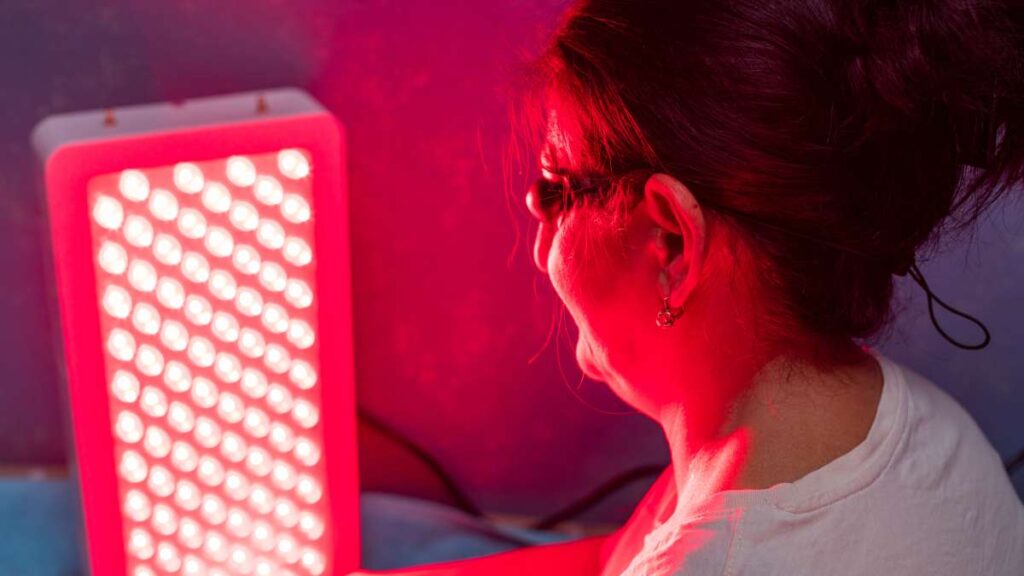
Red light therapy (RLT) offers several potential wellness benefits, such as enhanced skin health and reduced inflammation, and is generally considered safe for short-term use. However, the primary cons include a lack of robust scientific evidence for many claims, potential risks with misuse, and the significant financial investment required for consistent use.
Pros of Red Light Therapy
- Non-Invasive and Safe: RLT is a painless, non-invasive, and non-toxic treatment that doesn’t use harmful UV light, making it a safer option than tanning beds. When used as directed, side effects are minimal.
- Skin Rejuvenation: Studies suggest RLT can stimulate collagen and elastin production, which helps reduce wrinkles, fine lines, and sun damage for a smoother, more even complexion.
- Reduced Inflammation and Pain Relief: It can help lower inflammation throughout the body and has shown promise in managing chronic pain conditions like osteoarthritis and carpal tunnel syndrome, and speeding up muscle recovery.
- Enhanced Healing: RLT has been found to accelerate wound healing and tissue repair by promoting new cell growth and improved blood circulation.
- Improved Hair Growth: Evidence suggests RLT may be an effective treatment for male and female pattern hair loss by stimulating hair follicles.
- Accessibility: Devices are available for use in clinics, spas, and at home, increasing accessibility for regular treatments.
Cons of Red Light Therapy
- Limited and Inconsistent Evidence: While promising, much of the research supporting RLT is still preliminary, and more high-quality, large-scale studies are needed to confirm its effectiveness for all claimed uses, particularly for longevity and some performance aspects.
- Inconsistent Results: The lack of standardized guidelines for optimal dose, duration, and wavelength means results can vary widely depending on the device and individual.
- Potential for Misuse and Side Effects: Improper use of high-intensity at-home devices (e.g., without protective eyewear or for too long a duration) can lead to temporary skin redness, irritation, blistering, or eye damage.
- Cost and Commitment: Professional treatments can be expensive and require a long-term commitment (weekly sessions for months) to see results. While at-home devices are available, effective models can be a significant investment and may not be as powerful as clinical machines.
- Unproven Claims: Some “wilder” claims, such as for weight loss or certain neurological disorders like dementia, currently lack scientifically validated results from large human trials and should be approached with caution.
It is best to consult with a dermatologist or a qualified healthcare professional to determine if RLT is appropriate for specific health conditions or wellness goals.