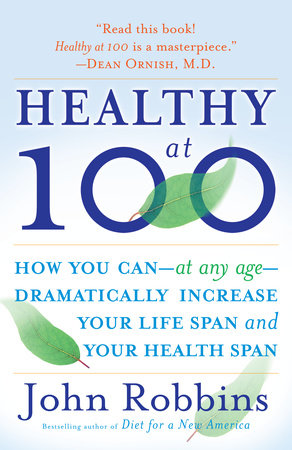
Healthy at 100 by John Robbins is valuable for longevity because it challenges the inevitability of age-related diseases, providing a, actionable, evidence-based guide for achieving a long, vibrant life. It highlights lifestyle lessons from the world’s longest-lived cultures—Abkhasia, Vilcabamba, Hunza, and Okinawa—focusing on plant-based, simple diets, consistent movement, reduced stress, and strong, loving social connections.
Reasons We Love Healthy at 100
- Redefines Aging: Robbins debunks the myth that chronic illnesses like heart disease and Alzheimer’s are unavoidable, promoting a “joyous, active” perspective on aging.
- Dietary Wisdom: It advocates for a simple, plant-based, and nutrient-dense diet based on the habits of the healthiest populations, rather than processed, calorie-dense foods.
- Holistic Approach: The book emphasizes that longevity is not just about diet but also heavily relies on having a sense of purpose, managing stress, and nurturing strong community bonds.
- Empowerment: It shifts the power of health from genetics to lifestyle choices, offering a, actionable roadmap for increasing both lifespan and “health span”.
Robbins makes the following key points:
1. Plant-Based, Nutrient-Dense Diet
- Minimal Animal Products: The longest-lived populations consume very little, if any, meat or dairy. Their diets are predominantly plant-based, relying on whole grains, legumes, vegetables, and fruits.
- Low Calorie/High Nutrient: Rather than overeating, these cultures generally consume a lower-calorie, nutrient-dense diet without processed foods or refined sugars.
- Real Food: The focus is on natural, locally sourced food, often consumed shortly after harvesting.
2. Active Lifestyle
- Natural Movement: These populations do not go to the gym; instead, they integrate physical movement into their daily routines. They walk extensively, perform manual labor, and work in gardens well into old age.
- Movement as Medicine: Regular, daily movement is seen as a better healer than medication and is crucial for maintaining strength and cognitive function.
3. Strong Social Connections and Purpose
- Community and Love: Deep, loving relationships and a strong sense of community are paramount. Loneliness is recognized as a major health risk, potentially more dangerous than smoking.
- Purpose Beyond 100: Elderly members of these communities are not marginalized; they remain engaged, respected, and productive, often holding important roles in family and society.
- Gratitude and Low Stress: These cultures foster a positive, appreciative attitude toward life, which helps manage stress and promotes emotional well-being.
4. Positive Attitude Toward Aging
- Reversing the Stigma: Western culture often fears aging, but these populations view old age as a time of wisdom, respect, and continued vitality.
- Mind-Body Connection: A positive mindset and sense of purpose significantly influence physical health, allowing for a better quality of life in later years.
5. Rejection of Modern Toxic Habits
- Avoiding Processed Foods: The book advises avoiding industrialized food products, which Robbins links to the high rates of cancer, diabetes, and heart disease in Western society.
- Environmental Awareness: The book emphasizes a connection to nature and a sustainable, compassionate lifestyle.
Core Philosophy
Robbins concludes that we can live not only longer but also better by embracing a lifestyle based on simple, wholesome food, daily movement, and deep, loving connections with others.