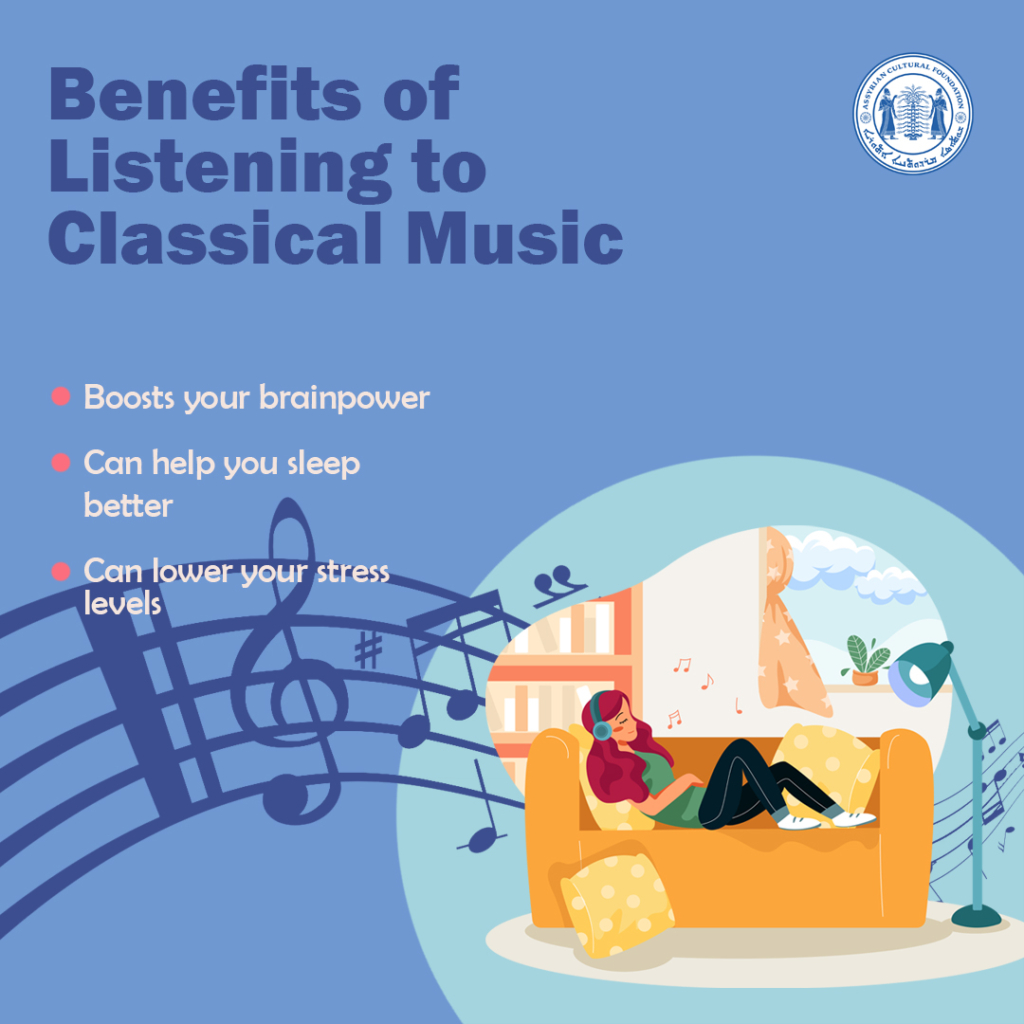
If you enjoy classical music you have probably already realized that it makes you feel better. Let’s look at the reasons for this.
Classical music boosts health and longevity by reducing cortisol (stress hormone), lowering blood pressure, improving sleep, and enhancing cognitive function. Its structured, soothing nature acts as a calming agent, lowering heart rates and fostering brain plasticity, which can combat age-related cognitive decline and memory loss.
Here is how classical music improves health and promotes longevity:
Physiological Benefits (Longevity Factors)
Reduced Stress: Listening to classical music significantly lowers cortisol levels.
Heart Health: Research indicates it can lower blood pressure and slow heart rates, particularly with slower, classical tempos.
Improved Sleep: Regular listening, especially before bed, helps improve sleep quality.
Pain Management: It acts as a therapeutic tool to reduce pain and discomfort during medical procedures.
Cognitive and Mental Health Benefits
Boosts Brain Function: It stimulates cognitive functions, enhancing memory, attention, and spatial reasoning (the “Mozart Effect”).
Combats Aging: It increases neural plasticity, which can slow age-related cognitive decline.
Memory Retention: It can stimulate memory recall, aiding in the management of dementia or Alzheimer’s.
Best Practices for Benefits
Tempo Matters: Music with a tempo of 60 to 80 beats per minute is often best for relaxation and lowering stress.
Consistency: Just 15-20 minutes of daily listening or playing can yield benefits.
Playing an Instrument: Actively playing a classical instrument provides additional benefits, such as improving posture, boosting brainpower by up to 30%, and reducing feelings of isolation through engagement.