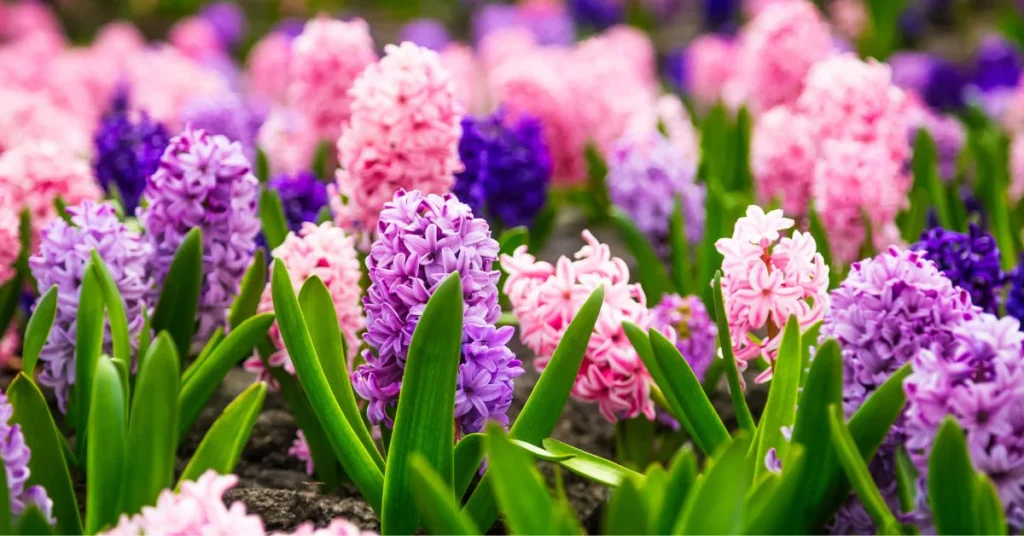
Flower and vegetable gardening significantly enhances longevity and health by integrating low-impact physical activity, stress-reducing nature connection, and cognitive stimulation. Evidence from Blue Zones, regions with the world’s highest concentrations of centenarians, identifies regular gardening as a common lifestyle factor that promotes “moving naturally” well into old age.
Physical Health Benefits
- Natural Exercise: Gardening involves functional movements like squatting, lifting, and stretching, which act as a full-body workout. This activity helps maintain muscle strength, flexibility, and balance, crucial for preventing falls and functional decline as you age.
- Cardiovascular Health: Regular gardening can burn 200–400 calories per hour, similar to gym sessions, and is linked to lower rates of heart attack, stroke, and high blood pressure.
- Immune Support: Exposure to beneficial soil bacteria, specifically Mycobacterium vaccae, has been shown to boost immune function and reduce inflammation.
- Vitamin D Production: Spending time in the sun helps the body synthesize Vitamin D, which is essential for bone health and immune system regulation.
Mental and Cognitive Benefits
- Stress and Anxiety Reduction: Gardening lowers levels of cortisol, the body’s primary stress hormone. The sensory experience of smelling flowers and touching soil can provide immediate calming effects.
- Dementia Prevention: Studies have found that daily gardening can lower the risk of dementia by up to 36%. It requires planning, problem-solving, and sensory awareness, all of which stimulate brain function.
- Improved Mood: Interacting with nature increases the release of “happy chemicals” like serotonin and dopamine, helping to combat depression and improve overall life satisfaction.
Psychosocial and Longevity Factors
- Sense of Purpose: Nurturing plants from seed to bloom provides a tangible sense of accomplishment and a reason to “get up in the morning,” which can add several years to life expectancy.
- Social Connection: Whether through community plots or sharing bouquets with neighbors, gardening fosters social bonds that protect against loneliness and cognitive decline.
- Environmental Connection: Maintaining a flower garden supports local pollinators like bees and butterflies, providing a sense of stewardship and a deeper connection to the natural world.
Gardening promotes wellness and longevity by combining low-impact, full-body exercise (digging, lifting, weeding) with stress-reducing, therapeutic engagement with nature, which lowers cortisol and blood pressure. It boosts immune function through vitamin D exposure and improves diet with fresh produce. For longevity, it provides a sense of purpose (“ikigai”).
Why Gardening Links to Wellness and Longevity
- Physical Activity & Health: Gardening is a functional, full-body workout (cardio, strength, flexibility) that can burn 165–220 calories in 30 minutes, aiding in heart health, weight management, and reduced chronic disease risk.
- Mental Well-being: It acts as a form of horticultural therapy that reduces stress, anxiety, and depression while fostering mindfulness. The sense of accomplishment and purpose improves mental health and cognitive function, particularly in older adults.
- Nutritional Benefits: Growing your own vegetables encourages a healthier, nutrient-dense diet.
- Social Connection: Spending time in nature improves mood, while community gardening strengthens social bonds.