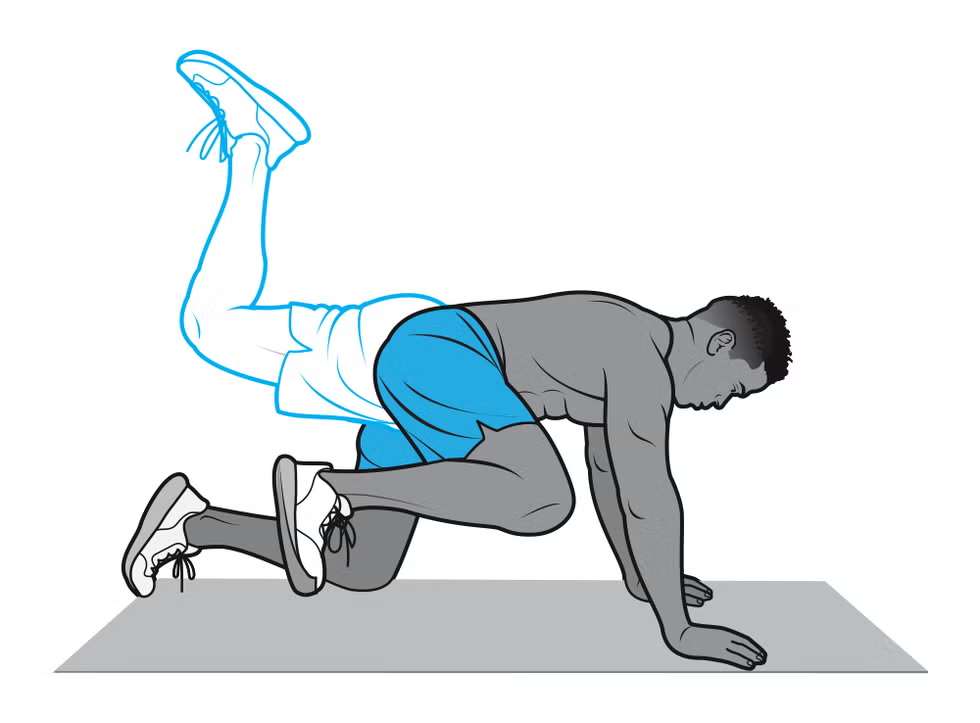
Are tight hips holding back your fitness progress? Maintaining flexible and mobile hips is vital for wellness and longevity because it directly impacts mobility, pain reduction, and functional independence, especially as we age. Flexible hips ensure better posture, balance, and reduced strain on the lower back, knees, and ankles.
Key Reasons for Maintaining Flexible Hips:
- Pain Prevention: Tight hips often lead to compensatory movement patterns, causing pain in the lower back, knees, and ankles.
- Improved Posture and Alignment: Flexible hips help the pelvis maintain a neutral position, which aligns the spine and reduces chronic pain.
- Functional Longevity and Balance: Mobility in the hip joint is essential for walking, stair climbing, and sitting, reducing the risk of falls and promoting independence in older adults.
- Enhanced Athletic Performance: Greater hip mobility leads to better stride length, increased power, and improved agility, preventing injuries in active individuals.
- Joint Health: Regular movement and stretching prevent the joints from stiffening due to age or prolonged sitting, reducing wear and tear.
Strategies for Hip Flexibility
- Daily Movement and Mobility: Avoid sitting for long periods. Every 30 to 45 minutes, stand up, walk, or perform gentle hip stretches.
- Targeted Stretching: Perform stretches that target the hip flexors, groin, and glutes (e.g., half-kneeling hip flexor stretch, pigeon pose, frog pose, or figure-four stretch). Hold stretches for 30 seconds, repeating 2-3 times daily.
- Strengthening Exercises: A strong hip joint needs strong supporting muscles. Focus on exercises like squats, lunges, clamshells, and bridges to improve stability and prevent injury.
- Low-Impact Cardio: Engage in activities that encourage range of motion without excessive strain, such as swimming, cycling, or walking.
- Warm-Up: Always perform dynamic stretches—like leg swings or hip circles—before activity to increase blood flow and flexibility.
- Maintain a Healthy Weight: Reducing excess body weight decreases pressure on the hip joints, with every 10 pounds of excess weight adding 40 pounds of pressure to the joint.
- Use Tools for Release: Use a foam roller or tennis ball to massage muscles that are difficult to stretch, such as the IT band and deep glutes.