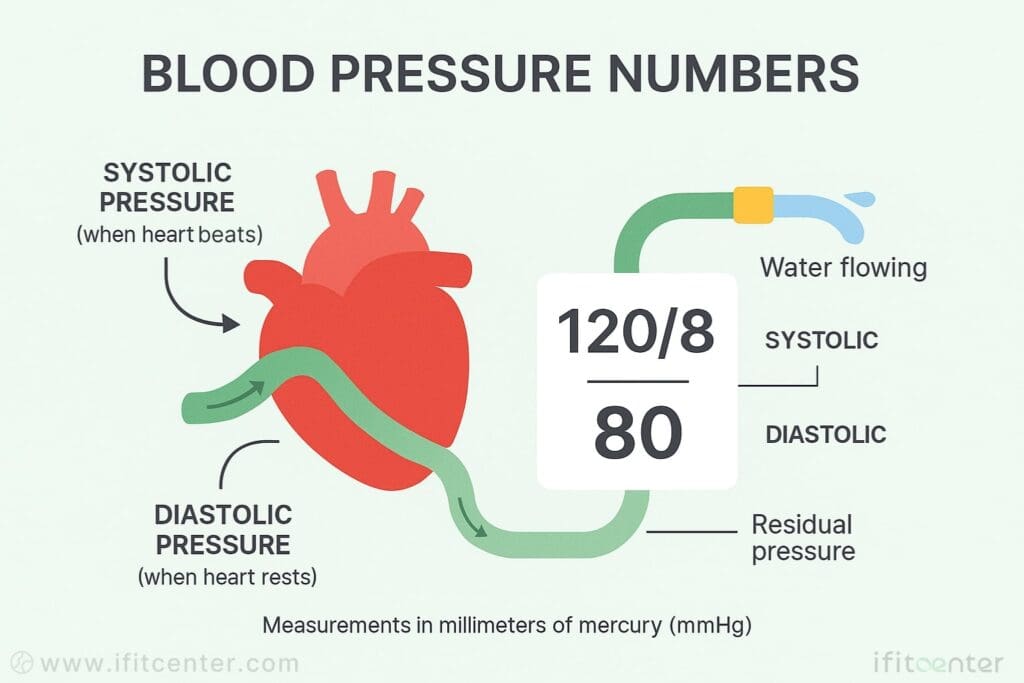
To maintain blood pressure in a normal, healthy range for long-term health and longevity, a multi-faceted approach involving diet, physical activity, and lifestyle habits is essential. A normal blood pressure reading is generally considered to be 120/80 mm Hg or below and this is very important for longevity. A healthy blood pressure is best achieved through a low-sodium DASH or Mediterranean diet, 150+ minutes of weekly aerobic exercise, and maintaining a healthy weight. Key habits include cutting processed foods, managing stress via meditation, limiting alcohol, and avoiding smoking.
Dietary Changes
- Reduce Sodium: Aim for less than 1,500–2,300 mg daily. Cut down on processed foods, pizza, and cold cuts, which are major sodium sources.
- Follow the DASH Diet: Focus on whole grains, fruits, vegetables, and low-fat dairy.
- Increase Potassium: Consume potassium-rich foods (sweet potatoes, spinach, bananas) to lessen the effects of sodium.
- Prioritize Whole Foods: Choose home-cooked meals over restaurant or canned foods to manage ingredient quality.
Physical and Lifestyle Habits
- Regular Activity: Aim for at least 150 minutes of moderate-intensity aerobic exercise (e.g., brisk walking, swimming) per week, or 75 minutes of vigorous exercise.
- Strength Training: Include resistance training at least two days a week.
- Weight Management: Losing even 5–10 pounds can significantly lower blood pressure.
- Manage Stress and Sleep: Practice deep breathing or meditation, and ensure quality sleep to manage hypertension risk.
- Moderate Alcohol/Stop Smoking: Limit alcohol to one drink per day and stop smoking, which immediately aids cardiovascular health.
Current medical research, most notably the SPRINT trial, indicates that targeting a blood pressure lower than 120/80 mm Hg—specifically aiming for a systolic (top) number below 120—can significantly reduce the risk of major health events and increase overall lifespan.
While 120/80 is the threshold for “normal,” many experts now view 115/75 mm Hg as the true ideal for long-term health.
Why Lower is More Optimal for Longevity
- Reduced Cardiovascular Death: Intensive control (below 120 systolic) has been shown to reduce the risk of death from cardiovascular causes by 43% compared to a standard goal of 140.
- All-Cause Mortality: Research indicates a 27% lower relative risk of death from any cause when blood pressure is kept below 120/80.
- Dementia Prevention: Tighter control reduces the risk of mild cognitive impairment by 19% and is linked to a 15% drop in dementia risk.
- Reduced Heart Failure: Aggressive management can lower the risk of heart failure by as much as 38%.
- Linear Risk Reduction: Data shows cardiovascular risk begins to rise once systolic pressure exceeds 115 mm Hg and doubles with every 20-point increase.