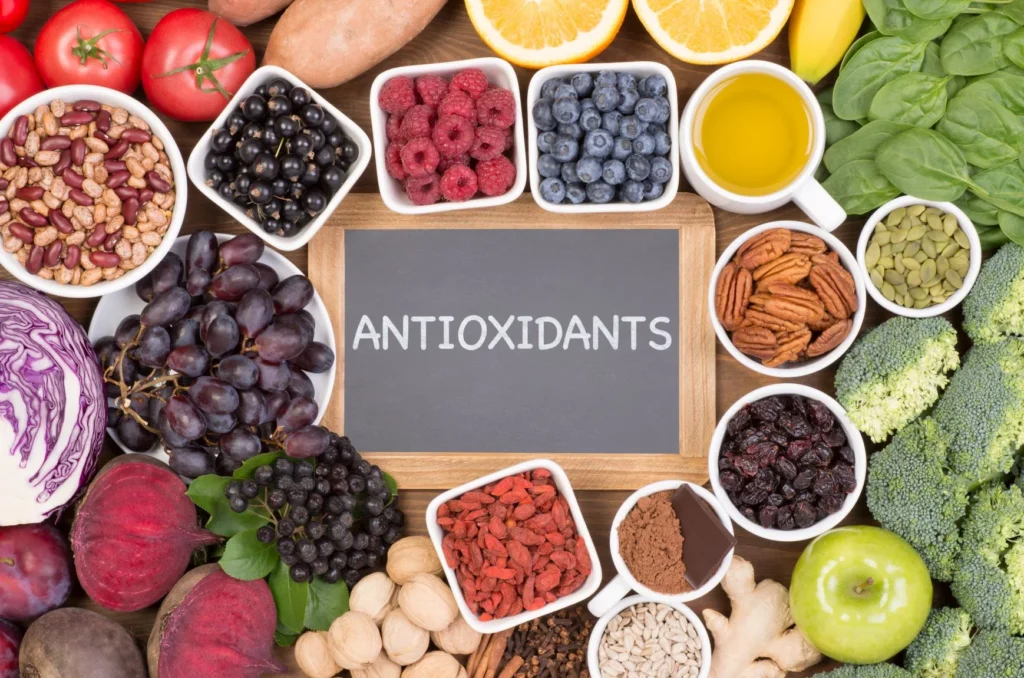
From a wellness and longevity perspective, you can—and should—get enough antioxidants from a diverse, colorful diet rather than supplements. High-dose antioxidant supplements often show no benefit in studies and can be harmful, interfering with natural cellular processes, increasing all-cause mortality risk, and blunting exercise adaptation.
Antioxidants: Diet vs. Supplements
- Dietary Sources: Fruits, vegetables, nuts, and whole grains provide a complex, synergistic mix of antioxidants (like vitamins C, E, and polyphenols) that protect against disease.
- Supplements: Generally, studies show that antioxidant supplements do not mimic the longevity benefits found in whole foods. Supplements are only recommended for correcting specific, diagnosed deficiencies.
Dangers of Antioxidant Supplements
- Too Much is Harmful: High doses can overwhelm the body’s natural antioxidant defense systems, acting paradoxically as pro-oxidants that damage healthy cells.
- Reduced Effectiveness of Exercise: Antioxidant supplements (like C+E) can blunt the health improvements and mitochondrial adaptations normally brought about by physical exercise.
- Increased Mortality/Disease Risk: Some studies have shown that high-dose Vitamin E can increase overall mortality risk, while high doses of certain antioxidants might increase cancer risks or interfere with cancer treatments like chemotherapy.
For optimal longevity, focus on a whole-food diet and avoid high-dose antioxidant supplementation without a doctor’s recommendation.