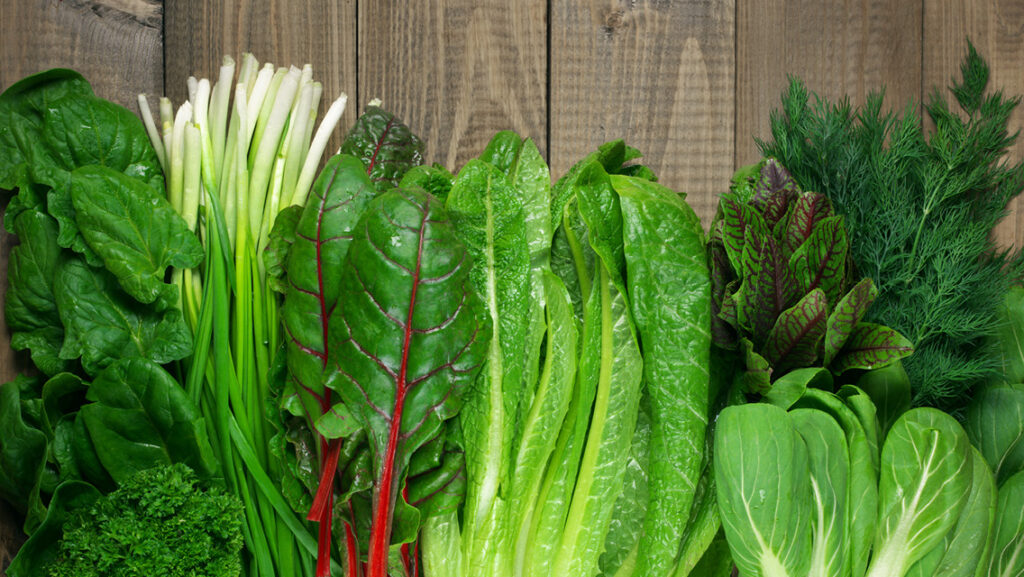
Could you add more greens to your diet? Most of us could and should. Here’s why!
The most nutritious salad greens for longevity are generally dark, leafy, and bitter, offering the highest density of vitamins, minerals, and antioxidants per calorie. Watercress, kale, and spinach top the charts in nutrient density, while popular staples like iceberg lettuce are considered least nutritious.
Ranked Salad Greens by Nutritional Value
Rankings are based on Aggregate Nutrient Density Index (ANDI) and nutrient density studies from the CDC.
- Watercress: Frequently ranked #1 (100/100 score), it is an “undisputed superstar” packed with Vitamin K, C, and A, and has powerful antioxidant properties.
- Spinach: A top-tier nutrient powerhouse rich in iron, folate, potassium, and antioxidants like lutein and zeaxanthin, which are crucial for eye health.
- Swiss Chard: Contains high levels of magnesium and Vitamin K, with earthy, beet-like leaves.
- Kale: A cruciferous veggie rich in antioxidants like beta-carotene and sight-saving compounds.
- Beet Greens: Highly nutritious but often discarded, they offer massive amounts of Vitamin K and A.
- Collard Greens: Similar to kale, these are excellent sources of Vitamin K and fiber.
- Arugula: Peppery and high in Vitamin K and nitrates, which may improve cardiovascular health.
- Romaine Lettuce: The most nutritious of the “traditional” lettuces, offering decent amounts of Vitamin A and K, and a step up from iceberg.
- Butterhead/Red Leaf Lettuce: Better than Iceberg, offering good color (phytonutrients) and nutrition.
- Iceberg Lettuce: Primarily water and low in nutrient density compared to others.
Longevity Benefits of Salad Greens
Leafy greens are considered essential for longevity due to their ability to prevent age-related diseases:
- Brain Health: Daily consumption of greens is associated with slower cognitive decline; studies indicate participants eating daily greens had brain functions similar to being 11 years younger.
- Chronic Disease Prevention: High antioxidant content (Vitamin C, carotenoids, and polyphenols) helps combat inflammation and fights free radicals, reducing the risk of cancer and heart disease.
- Heart Health: High levels of dietary nitrates in greens like arugula and spinach help reduce blood pressure.
- Bone Health: Excellent sources of Vitamin K, which is essential for blood clotting and building strong bones, crucial for preventing fractures in older age.
Best Practices for Maximum Nutrition
- Darker is Better: The darker the leaf, the more nutrient-dense it is.
- Mix It Up: A mix of greens (e.g., spinach, romaine, arugula) provides a broader spectrum of nutrients.
- Use Healthy Fats: Tossing salads with a little healthy oil (like olive oil) increases the body’s absorption of fat-soluble vitamins (A, K).
- Eat Soon After Buying: Nutrient levels degrade over time in the fridge.