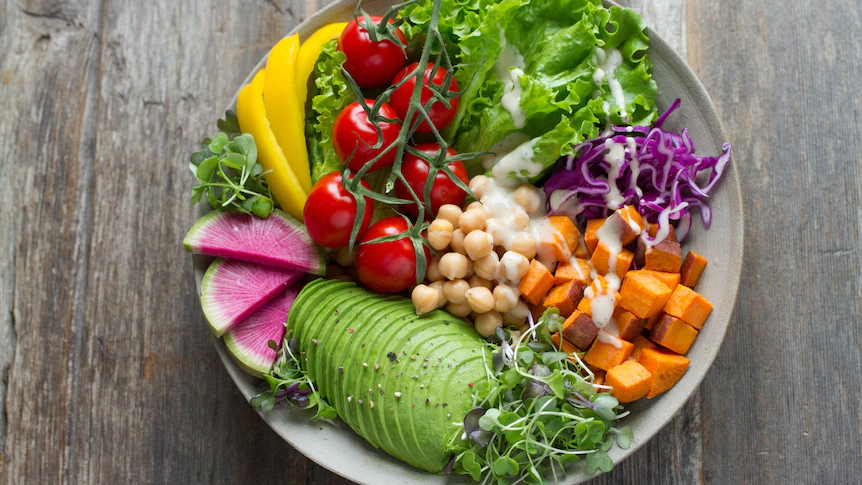
Recent 2026 research highlights that a plant-rich diet high in fiber, nuts, and healthy fats (like olive oil) can add over a decade to life, even when started later in life. Key findings focus on a, gut-healthy, mostly plant-based approach with limited processed foods and reduced animal protein. Maybe you can outlive supercentenarian María Branyas Morera.
Recent Longevity Findings
- Gut Health is Vital: A study of a 117-year-old woman, María Branyas Morera, found a highly diverse gut microbiome, linking longevity to a diet supporting gut health.
- Top Longevity Foods: Beans (legumes) are considered the most important, with about 1 cup daily recommended. Nuts, blueberries, leafy greens, and whole grains are also staple longevity foods.
- What to Avoid: High consumption of sugary drinks is linked to higher mortality. Processed meats, excessive sodium, and refined grains should be minimized.
- Optimal Dietary Pattern: Diets that are high in plant-based, non-refined carbohydrates, with sufficient plant-based fats, and low but adequate protein are best.
- Timing Matters: Restricting daily eating to an 11-12 hour window allows for daily fasting benefits.
- Flexibility Over Rigidity: Experts emphasize that you don’t need a strict formula; rather, you should adopt flexible eating patterns that fit your preferences (e.g., combining elements of Mediterranean and Okinawan diets).
- Long-term Impact: Switching to an optimal diet in young adulthood could add roughly 10-13 years to life, while making changes at age 60 can still add about 8 years.
Daily “Non-Negotiable” Foods
Experts frequently cite four food groups as essential daily additions for longevity:
- Legumes: One cup per day of beans, lentils, or chickpeas provides fiber and protein.
- Nuts: A daily handful is linked to significantly lower heart disease and death risks.
- Leafy Greens: Nutrient-dense greens like kale and spinach support vascular health and calm inflammation.
- Oily Fish: Sourced for omega-3s, fish like salmon and sardines support brain structure and stabilize heart rhythms.
Eating better isn’t just about adding years to your life; it’s about adding life to your years. Here are some perspectives to help shift your mindset:
- Invest in your future self: Think of every healthy meal as a deposit into a “health bank” that you’ll withdraw from in your 70s, 80s, and 90s.
- Fuel, not just filler: Treat your body like a high-performance engine; you wouldn’t put low-grade fuel in a Ferrari, so don’t settle for less than what helps you thrive.
- Eat for the moments: You aren’t just eating a salad; you’re eating for the energy to travel, the strength to play with future grandkids, and the clarity to enjoy every conversation.
- Respect your biology: Your body is the only place you have to live. Feed it with the respect it deserves for everything it does for you.
- Small wins, big impact: You don’t have to be perfect; you just have to be better than you were yesterday. One meal at a time, you are literally rebuilding yourself.
- Choose your “hard”: It’s hard to discipline your diet, but it’s harder to deal with preventable illness later. Choose the “hard” that leads to freedom and vitality.