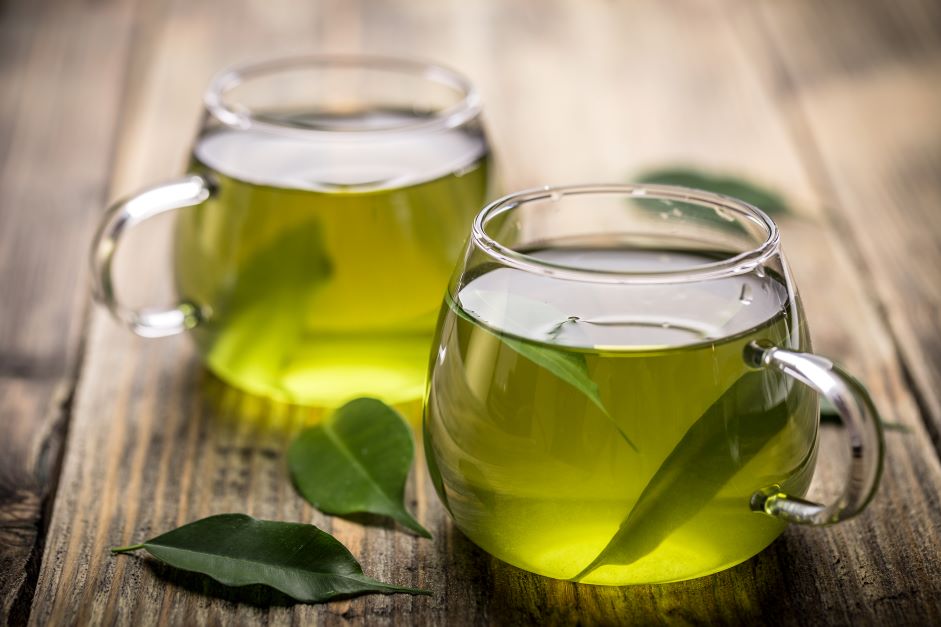
Green tea is globally celebrated as a cornerstone of health, often associated with exceptional health spans in regions like Okinawa, Japan. However, the concept of hormesis—where a mild biological stressor triggers a beneficial, protective response—dictates that the dose makes the medicine.
When green tea is overconsumed or prepared improperly, its health-promoting compounds can cross the threshold from beneficial stressors into cellular toxins, actively undermining wellness and longevity goals.
The Dangers of Drinking Too Much Green Tea
Consuming more than 5 to 8 cups per day of brewed green tea, or overusing concentrated extracts, introduces several critical health and longevity risks.
- Rare but Severe Hepatotoxicity (Liver Injury): Green tea contains the highly potent antioxidant EGCG (epigallocatechin gallate). While EGCG protects cells in moderation, massive amounts can cause mitochondrial stress in liver cells. In rare cases, excessive green tea or concentrated supplements have been linked to acute liver inflammation or liver failure. This risk is heightened when consumed on a fasting stomach or if you possess certain genetic variations (like the COMT genotype) that slow down how your body clears catechins.
- Accelerated Micronutrient Depletion: Longevity requires pristine cellular energy production, which depends on micronutrients. Green tea is packed with tannins and polyphenols that act as powerful chelation agents. They actively bind to non-heme iron (plant-based iron) and folic acid (vitamin B9) in the digestive tract, blocking your body from absorbing them. Over time, this can trigger micro-nutrient deficiencies, anemia, and sluggish cellular repair.
- Disrupted Sleep Architecture: Even though green tea has less caffeine than coffee, drinking huge quantities accumulates a significant stimulant load. Excess caffeine suppresses melatonin production and blocks adenosine receptors. Fragmented or poor sleep cuts short the deep and REM sleep cycles necessary for cellular cleanup (autophagy), glymphatic brain detoxifying, and hormonal balance—directly accelerating aging.
The Dangers of Steeping Green Tea Too Long
Steeping green tea for more than 3 minutes, or using boiling water completely alters the chemical profile of the beverage.
- Gastrointestinal Distress and Hyperacidity: The fast-acting, pleasant compounds (like L-theanine) extract early in the brewing process. If you let the leaves sit, the slow-extracting tannins dominate the brew. Excessively high tannin concentrations heavily irritate the stomach lining and overstimulate the production of gastric acid. This leads to nausea, acid reflux, and chronic digestive inflammation—which damages gut microbiome homeostasis.
- Degradation of Active Longevity Molecules: Paradoxically, over-steeping doesn’t give you “stronger health benefits.” Leaving delicate green tea leaves in hot water for extended periods causes the volatile, life-extending antioxidants to oxidize and break down right in your mug, shifting the color from a vibrant green/yellow to a murky brown. You end up drinking a liquid that is highly astringent and bitter, but depleted of its peak biological utility.
Longevity Takeaways: How to Sip Safely
To extract the maximum biological benefits of green tea without the toxic dark side, implement three simple rules:
- Never use boiling water: Let your kettle cool for a few minutes before pouring, and pull the tea leaves or bag out strictly at the 2-minute mark.
- Buffer your gut: If you have a sensitive stomach or are prone to acid reflux, never drink green tea on an empty stomach. Pair it with a handful of nuts or drink it an hour after a meal.
- Avoid high-dose extracts: Stick to traditional brewed loose-leaf tea rather than mysterious weight-loss pills or super-concentrated green tea extracts, which pose the highest risk for sudden liver stress.