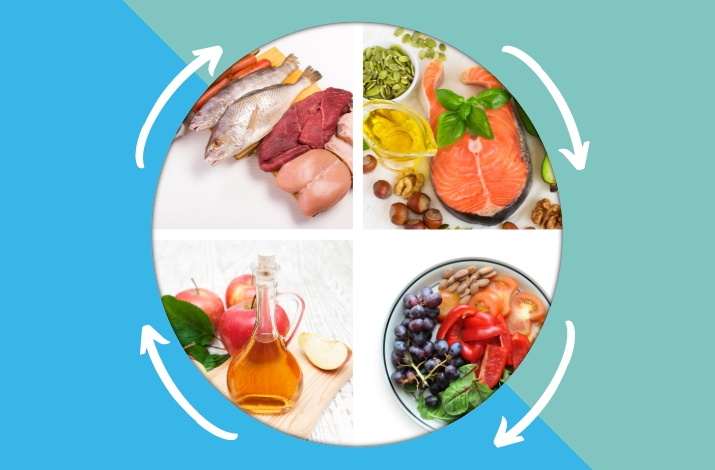
Changing the order in which you eat the food on your plate can reduce your post-meal glucose spike by up to 73%. By simply eating fibrous vegetables first, proteins and fats second, and carbohydrates last, you can prevent sharp insulin spikes and avoid afternoon energy crashes without changing your diet. This simple sequence promotes long-term metabolic stability and healthy aging.
The Science of Meal Sequencing
What if the secret to all-day energy and metabolic health isn’t what you eat, but how you eat it? A growing body of metabolic research has popularized the concept of “food sequencing”. According to clinical studies, shifting the order of your food consumption yields a massive reduction in post-meal blood sugar levels, which is vital for preventing the long-term risk of type 2 diabetes and aging-accelerating insulin resistance.
The Ideal Order: FFPC
To flatten your glucose curve, follow this sequence:
- Fiber First: Begin your meal with non-starchy, fiber-rich vegetables like broccoli, leafy greens, peppers, or a small starter salad.
- Proteins and Fats Second: Next, consume your proteins and healthy fats, such as salmon, chicken, tofu, avocado, or nuts.
- Starches and Complex Carbohydrates Last: Save your simple carbohydrates—breads, potatoes, pasta, and even sweet treats or desserts—for the end of the meal.
The Mechanism: How It Works
The secret to this strategy lies in how the digestive system breaks down and absorbs food. When you eat carbohydrates first, they are rapidly broken down and absorbed as glucose, resulting in sharp, inflammatory insulin spikes.
However, when you front-load your meal with fiber, it coats the walls of your small intestine, creating a protective, viscous mesh. This barrier causes any subsequent starches and sugars you eat to absorb into your bloodstream much more slowly. Additionally, eating proteins and fats before carbohydrates slows down gastric emptying—the rate at which food passes from the stomach into the intestine—further dampening the glucose response.
Benefits Beyond Blood Sugar
By keeping your blood sugar curve gentle rather than jagged, you avoid the post-lunch “food coma,” regulate the hunger hormone ghrelin, and reduce sugar cravings.