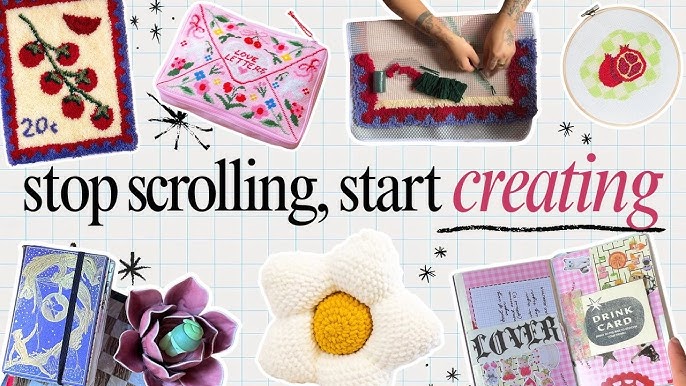
Your brain possesses an extraordinary ability to rewrite its own future, and the ultimate tool for this transformation might already be in your hands. Engaging in arts and crafts is not just a leisure activity; it is a profound act of neuroprotective defiance. Arts and crafts act as a powerful buffer against neurodegeneration by building cognitive reserve and preserving brain tissue. Engaging in these activities modifies how the brain ages on a structural level.
Every brushstroke, knitted row, or sculpted form acts as a biological shield, physically reshaping your neural architecture to resist aging. By stepping into the creative flow, you are actively building a dense, resilient network of brain connections that safeguards your memory, sharpens your mind, and protects your cognitive independence for decades to come.
Cognitive Reserve and Plasticity
- Builds Cognitive Reserve: Creative tasks create a denser network of brain connections. This “backup system” allows the brain to function normally even if some neurons are damaged.
- Stimulates Neuroplasticity: Learning new crafting techniques forces the brain to rewire itself. It creates new synapses and pathways across different brain regions.
- Protects Gray Matter: Studies show that regular artistic engagement preserves gray matter volume in crucial regions like the hippocampus.
Dual-Hemisphere Activation
- Requires Bilateral Integration: Arts and crafts demand simultaneous communication between the left and right hemispheres of the brain.
- Blends Logic and Creativity: The left brain handles structural planning, measurements, and patterns. The right brain processes colors, spatial awareness, and expression.
- Strengthens White Matter: This continuous cross-talk reinforces the structural integrity of white matter tracts, which typically degrade with age.
Fine Motor and Spatial Protection
- Preserves Motor Cortex: Complex hand-eye coordination exercises the primary motor cortex and cerebellum. This delays the age-related loss of fine motor control.
- Engages Parietal Lobes: Sculpting, weaving, and woodworking require intense visuospatial processing. This keeps the parietal lobes active and resilient against atrophy.
Stress Reduction and Neuroinflammation
- Lowers Cortisol Levels: Crafting induces a psychological state of “flow” similar to meditation. This drop in cortisol protects the brain from stress-induced shrinkage.
- Fights Neuroinflammation: Chronic stress triggers microglial activation, causing brain inflammation. The calming effect of art suppresses these destructive inflammatory pathways.