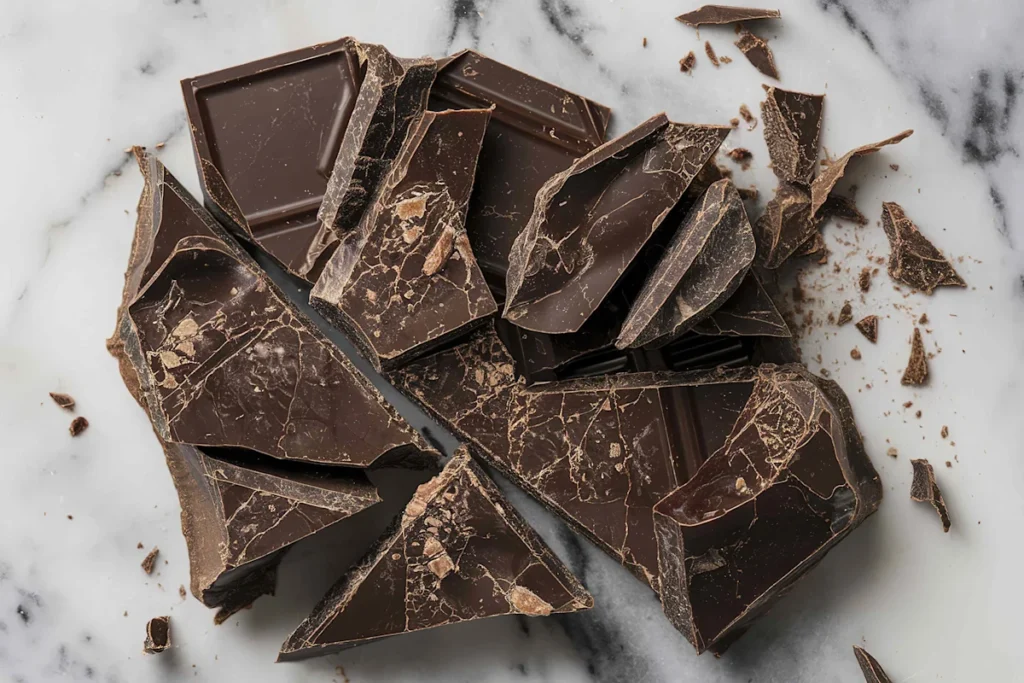
Single-origin (single-source) dark chocolate is considered superior and healthier than blended dark chocolate primarily because of its processing purity, ingredient transparency, and higher preservation of youth-preserving bioactive compounds. When evaluated through the lens of longevity—extending both lifespan and healthspan—single-origin chocolate offers significant advantages by protecting cardiovascular health, preserving cognitive function, and minimizing exposure to cellular toxins.
Why Single-Origin is Superior for Longevity
1. Uncompromised Antioxidant and Theobromine Density
Blended chocolates combine beans from various regions, which are heavily processed, alkalized (dutched), and roasted at high temperatures to standardize a uniform flavor. This intense processing destroys volatile flavanols and polyphenols. In contrast, single-origin chocolate is typically handled via artisanal “bean-to-bar” methods that optimize roasting profiles to respect the specific bean.
- The Longevity Connection: Recent clinical research highlights theobromine—a plant compound abundant in minimally processed cocoa—as a key driver in slowing biological aging by suppressing cellular inflammation and shielding DNA from oxidative stress. The preserved flavanols also stimulate nitric oxide production, which keeps blood vessels flexible, manages blood pressure, and lowers the risk of cardiovascular mortality.
2. Strict Heavy Metal Control (Cadmium and Lead)
Cocoa plants naturally absorb heavy metals like cadmium from the soil, and beans can collect lead during outdoor drying stages. In a blended chocolate matrix, beans from high-cadmium regions (such as certain parts of Latin America) are often mixed with low-cadmium beans, making it impossible to know the exact toxic load of a specific bar.
- The Longevity Connection: Heavy metals are systemic toxins that accumulate in the body over decades, accelerating kidney damage, cognitive decline, and cellular aging. Buying single-origin allows you to selectively consume bars from regions historically lower in heavy metals (such as West Africa) or purchase from transparent boutique brands that publish batch-tested heavy metal data.
3. Freedom from Additives and Ultra-Processed Ingredients
Because mass-market blended chocolates use lower-grade, mismatched beans, manufacturers rely on additives to mask bitter or inconsistent flavors. They frequently add high amounts of refined sugar, hydrogenated vegetable oils, soy lecithin, and artificial flavorings. Premium single-origin bars generally consist of just two or three clean ingredients: organic cocoa beans, cocoa butter, and a minimal amount of unrefined sugar.
- The Longevity Connection: Eliminating hydrogenated fats and excess refined sugar prevents insulin spikes, protects the gut microbiome, and mitigates chronic low-grade inflammation—the root driver of age-related metabolic illnesses like Type 2 diabetes and dementia.
How to Select a Longevity-Focused Dark Chocolate Bar
To maximize the life-extending benefits of your daily chocolate ritual, prioritize the following criteria:
- Target 70% to 85% Cocoa: This sweet spot balances high antioxidant and fiber density while keeping sugar content low enough to avoid damaging glucose spikes.
- Verify the Ingredients: The wrapper should list only cocoa/cacao beans, cocoa butter, and sugar. Avoid bars listing “vanillin” (artificial vanilla), “PGPR” (a cheap emulsifier), or “alkalized/dutched cocoa.”
- Identify the Specific Origin: Look for a specific country or region labeled on the front (e.g., Madagascar, Ecuador, or Costa Rica) rather than a generic regional blend.
- Keep Portions Moderate: Treat chocolate as a longevity supplement. Stick to a clean daily serving of 10 to 30 grams to enjoy the cellular benefits without excess caloric intake.