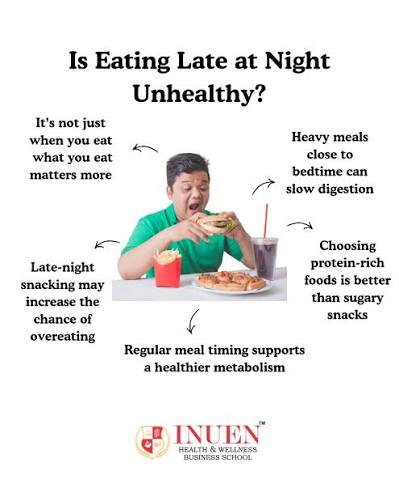
Eating late at night significantly damages your sleep quality, disrupts your body’s internal clock, and accelerates aging. When you eat close to bedtime, your digestive system is forced to stay active. This process increases your core body temperature and metabolic rate, which directly contradicts the natural cooling process your body needs to enter deep sleep. Data from wearable trackers like the WHOOP Sleep Study shows that eating late leads to an average loss of 26 minutes of sleep, a 3% drop in REM sleep, and a 10% decrease in next-day recovery.
Late-night eating also triggers overnight blood sugar spikes and crashes, causes acid reflux, and spikes cortisol (the stress hormone), leading to fragmented, restless sleep.
How Earlier Eating Promotes Longevity
Avoiding food late at night is a powerful, science-backed tool for cellular longevity. Giving your body a prolonged fasting window before and during sleep extends life expectancy through several critical pathways:
- Triggers Autophagy: When you stop eating 3 hours before bed and fast through the night, your body enters a fasted state that activates autophagy—the cellular “clean-up” process. Your body degrades and recycles damaged proteins and worn-out cellular components, which helps protect against age-related neurodegenerative diseases.
- Optimizes Human Growth Hormone (HGH): HGH is essential for cellular repair, muscle growth, tissue regeneration, and metabolic health. Your body naturally releases its largest pulse of HGH during early deep sleep. However, digesting food causes an insulin spike. Because high insulin suppresses HGH production, late-night eating effectively blunts your body’s natural nightly repair cycle.
- Aligns the Circadian Rhythm: Every organ has an internal peripheral clock. Eating tells your gut and liver that it is daytime. When you eat late, your brain’s clock (which registers darkness) and your gut’s clock get completely out of sync. Keeping these clocks aligned via Harvard Medical Research on Circadian Meal Timing reduces the systemic inflammation, insulin resistance, and metabolic dysfunction that accelerate aging.