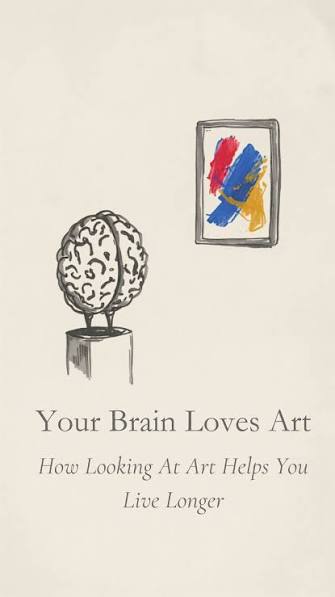
Looking at art triggers a release of dopamine and increases blood flow to the brain, which immediately lowers stress and improves mental well-being. When you absorb a beautiful painting or sculpture, your neural biology mimics the sensation of falling in love, surging up to 10% more blood flow into the brain’s pleasure centers. This rapid neurological shift calms your sympathetic nervous system, shifting your body out of a tense “fight-or-flight” state and into a deeply relaxed, mindful awareness.
How Art Affects Your Brain
- Triggers the Reward System: Viewing a beautiful piece of art activates the brain’s pleasure centers, releasing dopamine—the same chemical released when falling in love or eating good food.
- Boosts Blood Flow: Looking at gorgeous paintings or sculptures can increase blood flow to the brain by up to 10%.
- Engages Pattern Recognition: Your brain works hard to organize patterns, shapes, and meaning, which stimulates mental activity and enhances focus.
- Lowers Stress Hormones: Taking time to look at calming visuals reduces levels of cortisol, the primary stress hormone that harms the body over time.
Impact on Health Span and Longevity
- Reduces Chronic Inflammation: Lower long-term stress helps decrease physical inflammation, which protects against chronic diseases like heart disease.
- Protects Heart Health: Viewing art helps maintain healthy blood pressure and keeps heart rates steady and relaxed.
- Preserves Cognitive Function: Regular mental stimulation from cultural and aesthetic experiences builds cognitive reserve, lowering the risk of memory loss and cognitive decline as you age.
- Promotes Emotional Resilience: Higher subjective well-being and lower anxiety foster a positive outlook, helping people live longer, healthier lives.