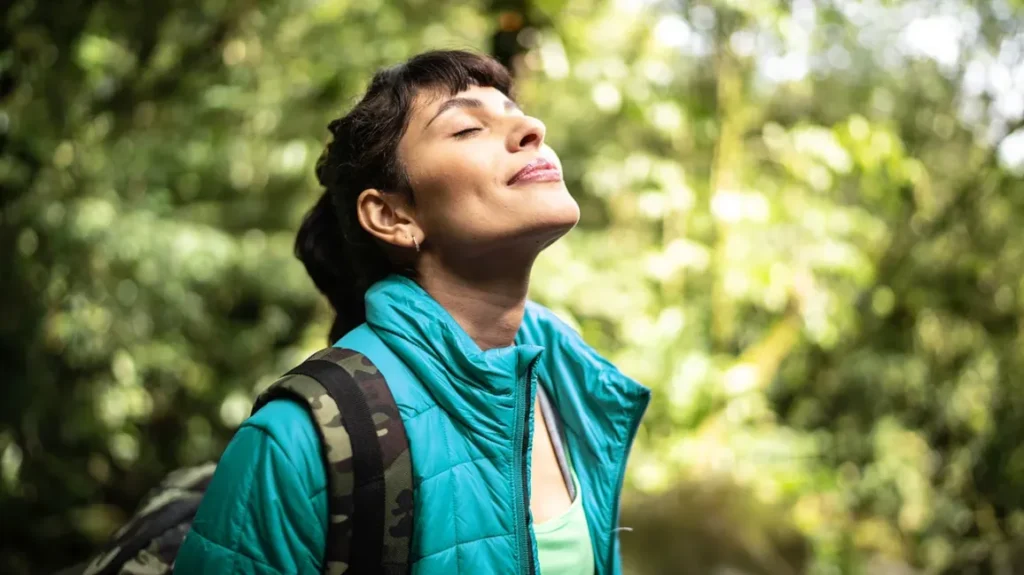
Spending regular time outdoors is directly linked to a lower mortality risk and improved longevity. Large-scale cohort studies have consistently shown that people living near or frequently interacting with green spaces—such as parks, lawns, and forests—experience significantly longer life expectancies.
A summary of the core physiological and psychological reasons why nature exposure acts as a powerful lever for healthy aging and longevity includes:
Immune System Boosting
- Vitamin D Synthesis: Direct exposure to morning and midday sunlight prompts your skin to synthesize vitamin D. This essential hormone acts as a foundational block for your immune system, bone health, and the prevention of chronic illnesses.
- Phytoncides Intake: Immersing yourself in wooded areas—often referred to as “forest bathing” or Shinrin-yoku—exposes you to phytoncides. These antimicrobial compounds are released by trees and plants, and when inhaled, they stimulate your body to produce more natural killer (NK) white blood cells to fight off infections and tumors.
Cardiovascular Health Improvement
- Blood Pressure Management: Being in natural environments decreases heart rate, lowers blood pressure, and reduces systemic inflammation.
- Encouraging Physical Activity: Natural spaces make physical activity much more appealing. Regular brisk walking, hiking, or gardening outside strengthens the heart muscle, directly combatting cardiovascular disease—the leading cause of premature mortality worldwide.
Cognitive Preservation and Stress Reduction
- Lowering Cortisol: Spending as little as 20 minutes outside can significantly plunge your body’s level of the stress hormone cortisol. Chronic stress is a primary accelerator of biological aging.
- Brain Structure Maintenance: Neuroimaging shows that nature exposure correlates with greater gray and white matter volume in brain regions responsible for memory and emotional regulation. Regular outdoor time is associated with lower long-term risks of neurodegenerative diseases like dementia, stroke, and Parkinson’s.
Circadian Rhythm and Sleep Regulation
- Melatonin Optimization: Exposure to bright, natural sunlight—particularly early in the morning—regulates your body’s biological clock. This natural light anchors your circadian rhythm, optimizing the timed release of melatonin at night. High-quality, deep sleep is one of the most critical components for cellular repair and life extension.
Social Engagement and Mental Well-being
- Combating Isolation: Loneliness is heavily linked to early mortality. Outdoor spaces like community parks, trails, and gardens act as organic venues for passive and active social interaction, lowering depression and fostering a sense of community belonging.