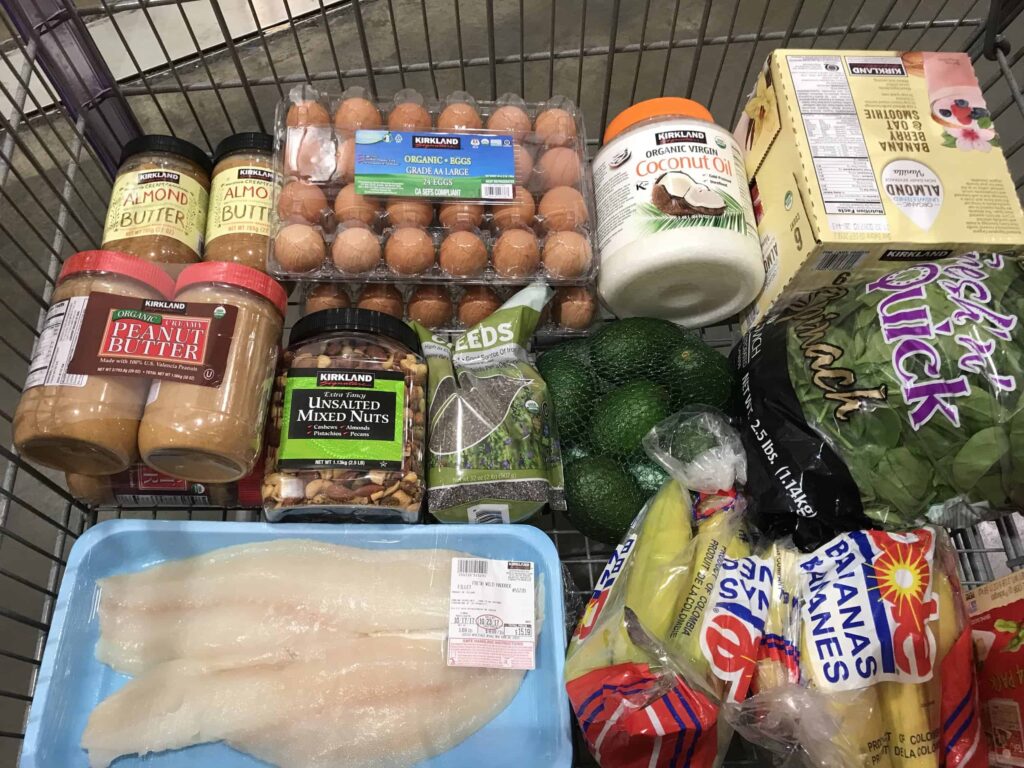
To shop effectively for a healthy, wholesome Mediterranean diet, you need a strategic approach that spans both the outer edges and the inner aisles of the supermarket. The core pillars of this lifestyle rely on plant-based foundations, healthy fats, and high-quality proteins.
A typical grocery list for this diet emphasizes whole foods, fresh or frozen produce, and abundant legumes. Review the following department-by-department tips to navigate the grocery store:
1. The Produce Section (Your Foundation)
Make this your first and largest stop, as vegetables and fruits should make up the majority of your plate.
- Shop the seasons: Seasonal produce is fresher, denser in nutrients, and much more budget-friendly. If a recipe calls for an out-of-season vegetable, swap it for what is currently on sale.
- Emphasize variety and color: Fill your cart with a colorful spectrum—leafy greens (spinach, kale), cruciferous vegetables (broccoli, Brussels sprouts), and vibrant fruits (berries, citrus) to maximize antioxidant intake.
- Load up on fresh herbs: Pick up garlic, onions, basil, cilantro, and parsley. They add robust flavor to meals without relying on excess sodium.
2. The Inner Aisles (The Nutrient Powerhouses)
Don’t skip the center aisles; they house essential pantry staples that define Mediterranean cooking.
- Hunt for 100% Whole Grains: Look for minimally processed grains like farro, quinoa, barley, brown rice, and whole-wheat couscous. Check packaging labels to ensure they are 100% whole grain rather than just “made with whole grains,” which often indicates a highly processed product.
- Stock up on legumes: Canned or dried chickpeas, lentils, cannellini beans, and black beans are excellent, budget-friendly sources of plant protein and fiber. When buying canned, look for “no added salt” options.
- Choose the right Olive Oil: Extra Virgin Olive Oil (EVOO) is the primary fat source of this diet. Look for EVOO stored in dark glass containers (which protects it from light degradation) and check for a recent harvest date on the label.
- Grab canned tomatoes: Canned diced, crushed, or whole tomatoes are Mediterranean backbones. Interestingly, the heating process used in canning actually increases the availability of lycopene, a powerful antioxidant.
3. Seafood & Meat Counters
The Mediterranean diet prioritizes ocean-sourced proteins over red meat.
- Prioritize fatty fish: Aim to buy fish like salmon, mackerel, sardines, or tuna at least twice a week for their heart-healthy omega-3 fatty acids.
- Go frozen for savings: Frozen seafood fillets are usually significantly cheaper than the fresh seafood counter, preserve nutrients perfectly, and help prevent food waste.
- Treat red meat as a condiment: Sparing use of lean poultry and eggs is common, but red meat should be limited to just a few times a month.
4. Dairy & Refrigerated Cases
Fermented dairy foods take precedence over fluid milk in traditional Mediterranean eating patterns.
- Look for authentic Greek yogurt: Choose plain, non-fat or low-fat Greek yogurt to avoid the massive amounts of added sugars found in flavored varieties.
- Incorporate high-flavor cheeses: You don’t need a lot of cheese to make an impact. Opt for small portions of intensely flavored cheeses like feta, goat cheese, or authentic parmesan to elevate your dishes.
5. The Freezer Section (The Ultimate Shortcut)
- Never look down on frozen veggies: Frozen broccoli, spinach, and berry blends are picked and flash-frozen at peak ripeness, meaning they frequently hold more nutrients than “fresh” items that have sat in transit for weeks. They require zero chopping and won’t spoil if your plans change.