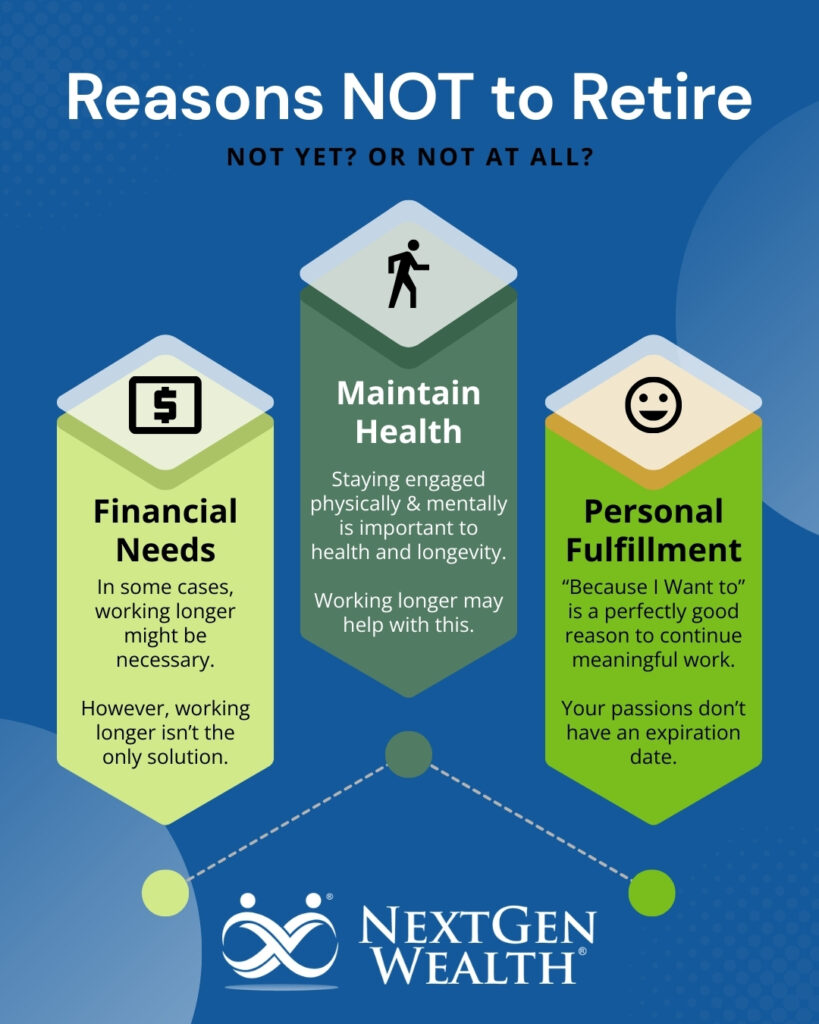
While retirement is often romanticized as the ultimate reward for decades of hard work, a sudden exit from the workforce can negatively impact your well-being. Continuing to work is linked to better health and longevity, with research indicating that each additional year of work can reduce mortality risk by 9% to 11%, even for individuals with existing health issues according to a prominent 2016 study published in the Journal of Epidemiology and Community Health.
Three primary reasons why fully retiring can be detrimental to your health and longevity include:
1. Accelerated Cognitive Decline
Work acts as a built-in exercise routine for your brain, forcing you to solve problems, learn new skills, make decisions, and organize tasks. When you retire, this intense “cognitive load” often completely disappears.
- The “Use It or Lose It” Effect: Without regular mental challenges, the neural pathways that maintain quick thinking and memory consolidation begin to quiet down.
- The Impact: This lack of stimulation is the primary driver behind the accelerated cognitive decline consistently observed in the first 5 years post-retirement. Conversely, delayed retirement is heavily linked to better long-term cognitive function across all demographics.
2. Loss of Structured Purpose and Higher Depression Risks
For most people, a job provides far more than a paycheck; it yields a sense of identity, accomplishment, and a daily routine. A sudden transition into retirement eliminates this structural framework overnight.
- The Post-Retirement Identity Crisis: Without a reason to get up every morning, many retirees face a psychological emergency, leading to intense boredom, anxiety, and sleep deterioration.
- The Impact: Research indicates that the sudden loss of purpose associated with retirement can raise the risk of clinical depression by roughly 40%. This drop in mental health and life fulfillment is a major reason why 37% of retirees ultimately wish they had postponed their retirement.
3. Severe Social Isolation and Loneliness
For the average adult, the workplace serves as the core of their social universe. Leaving your job cuts off daily contact with colleagues, clients, and professional networks, creating a vacuum of social disconnection.
- A Hidden Biological Threat: When retirees fail to replace these everyday interactions through robust community involvement or volunteering, severe isolation sets in.
- The Impact: Chronic loneliness isn’t just an emotional burden; it is a severe physical health risk. Public health data warns that the isolation experienced by older adults carries a premature death risk comparable to smoking 15 cigarettes a day, significantly compounding the risk of heart disease, stroke, and dementia.
Are you currently evaluating your own timeline for retirement, or are you looking to restructure your routine? If you’d like, I can share data on how part-time “encore careers” or flexible consulting bridge the gap to protect your health.