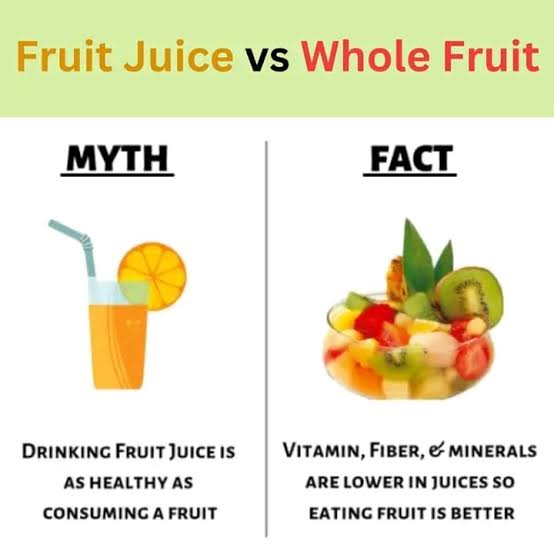
Choosing whole fruit over fruit juice is vastly superior for health and longevity because consuming fruit in its natural form preserves essential dietary fiber, creates a slow and steady release of sugar into the bloodstream, and significantly lowers the long-term risk of developing chronic metabolic conditions like type 2 diabetes and heart disease. Whole fruit is vastly superior to fruit juice for health and longevity due to how the body processes whole fiber versus concentrated liquid sugar.
Key Health & Longevity Differences
- Fiber and Satiety: Whole fruits contain high amounts of soluble and insoluble fiber, which delays gastric emptying and promotes fullness. Juice strips away the pulp and fiber, leading to lower satiety and easier overconsumption of calories.
- Blood Sugar Control: The fiber in whole fruit slows down glucose absorption in the gut. Juice contains concentrated free sugars that enter the bloodstream rapidly, causing sharp insulin spikes and increasing the risk of type 2 diabetes.
- Chronic Disease and Mortality Risks: Regular whole fruit consumption lowers the risk of cardiovascular disease, obesity, and hypertension. Conversely, high intakes of 100% fruit juice correlate with increased risks of weight gain and metabolic stress.
- Nutrient and Antioxidant Retention: Processing and juicing break down sensitive vitamins, antioxidants, and polyphenols, whereas whole fruits preserve the natural matrix of these compounds to feed the gut microbiome and reduce systemic inflammation.
- Dental Health: The free sugars and acids in fruit juice stay in direct, uncompromised contact with teeth, accelerating enamel erosion and decay compared to whole fruits where sugars are bound within fiber cell walls.