Are Nutritional Supplements Beneficial to Your Health?

supplements

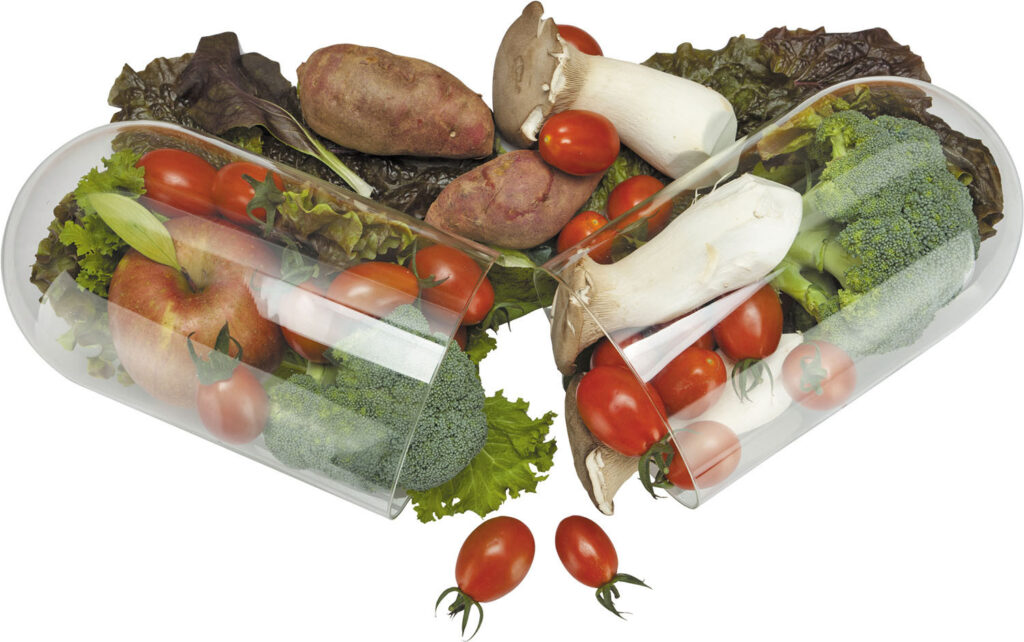
From a longevity perspective, the necessity of supplements is debated, with most evidence favoring a nutrient-dense diet over pills for extending lifespan. While supplements can fill nutritional gaps, large studies suggest they do not reduce mortality, and in some cases, may not offer long-term benefits for healthy individuals. 

Arguments Against Regular Supplement Use for Longevity:

  • No Mortality Benefit: Large-scale studies and meta-analyses show that daily multivitamins do not reduce the risk of death from cardiovascular disease, cancer, or all-cause mortality.
  • No Anti-Aging Proof: There is a lack of evidence that any supplement can fundamentally alter the aging process or significantly increase human lifespan.
  • Food First Approach: Nutrients from food are generally superior to supplements. A study found that adequate vitamin K and magnesium intake from food reduced mortality risk, while supplements did not, as noted in this Consumer Reports article.
  • Risk of Over-supplementation: High doses of certain supplements can cause harm and, in some cases, increase cancer risk.

Arguments For Using Supplements for Longevity:

  • Addressing Deficiencies: Many people have poor diets and suffer from micronutrient inadequacies that can be corrected by supplements, according to the Linus Pauling Institute.
  • “Longevity Vitamins”: Researcher Bruce Ames proposes that optimizing levels of certain nutrients—like vitamin D, magnesium, and selenium—can help prevent long-term diseases, as described in this University of California article and this PubMed Central article.
  • Cognitive and Health Span Benefits: Some studies suggest that although they may not make you live longer, certain supplements may support cognitive function and improve “health span” (healthy aging), according to this Medical News Today article and this article in the National Institutes of Health (.gov)

Summary:
For most people, a balanced diet is sufficient for longevity. Supplements are most useful when used as a targeted “insurance policy” to fix specific, diagnosed deficiencies, rather than a general preventative measure, say experts in this BBC article and this article on 6abc Philadelphia. Always check for potential drug interactions, especially for seniors, as noted by Kettering Health.
Blood Pressure and Longevity

bp

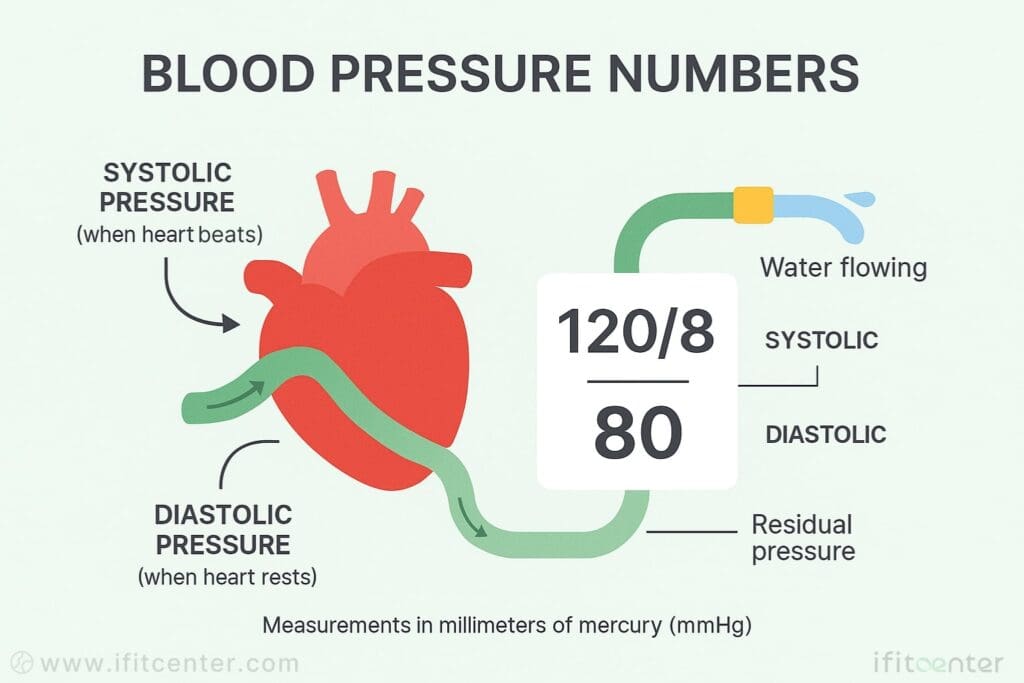
To maintain blood pressure in a normal, healthy range for long-term health and longevity, a multi-faceted approach involving diet, physical activity, and lifestyle habits is essential. A normal blood pressure reading is generally considered to be 120/80 mm Hg or below and this is very important for longevity. A healthy blood pressure is best achieved through a low-sodium DASH or Mediterranean diet, 150+ minutes of weekly aerobic exercise, and maintaining a healthy weight. Key habits include cutting processed foods, managing stress via meditation, limiting alcohol, and avoiding smoking. 

Dietary Changes

  • Reduce Sodium: Aim for less than 1,500–2,300 mg daily. Cut down on processed foods, pizza, and cold cuts, which are major sodium sources.
  • Follow the DASH Diet: Focus on whole grains, fruits, vegetables, and low-fat dairy.
  • Increase Potassium: Consume potassium-rich foods (sweet potatoes, spinach, bananas) to lessen the effects of sodium.
  • Prioritize Whole Foods: Choose home-cooked meals over restaurant or canned foods to manage ingredient quality. 

Physical and Lifestyle Habits

  • Regular Activity: Aim for at least 150 minutes of moderate-intensity aerobic exercise (e.g., brisk walking, swimming) per week, or 75 minutes of vigorous exercise.
  • Strength Training: Include resistance training at least two days a week.
  • Weight Management: Losing even 5–10 pounds can significantly lower blood pressure.
  • Manage Stress and Sleep: Practice deep breathing or meditation, and ensure quality sleep to manage hypertension risk.
  • Moderate Alcohol/Stop Smoking: Limit alcohol to one drink per day and stop smoking, which immediately aids cardiovascular health. 

Current medical research, most notably the SPRINT trial, indicates that targeting a blood pressure lower than 120/80 mm Hg—specifically aiming for a systolic (top) number below 120—can significantly reduce the risk of major health events and increase overall lifespan. 

While 120/80 is the threshold for “normal,” many experts now view 115/75 mm Hg as the true ideal for long-term health. 

Why Lower is More Optimal for Longevity

  • Reduced Cardiovascular Death: Intensive control (below 120 systolic) has been shown to reduce the risk of death from cardiovascular causes by 43% compared to a standard goal of 140.
  • All-Cause Mortality: Research indicates a 27% lower relative risk of death from any cause when blood pressure is kept below 120/80.
  • Dementia Prevention: Tighter control reduces the risk of mild cognitive impairment by 19% and is linked to a 15% drop in dementia risk.
  • Reduced Heart Failure: Aggressive management can lower the risk of heart failure by as much as 38%.
  • Linear Risk Reduction: Data shows cardiovascular risk begins to rise once systolic pressure exceeds 115 mm Hg and doubles with every 20-point increase. 

The Best Teas for Longevity and How to Prepare Them

tea

What are your favorite types of tea? Maybe our list will give you a few new types to try! The top teas for health and longevity, often ranked by antioxidant power and disease-fighting compounds, are dominated by green tea, matcha, and white tea for cellular protection, alongside herbal options like hibiscus, rooibos, and ginger for metabolic and cardiovascular support. These beverages can improve cardiovascular health, boost metabolism, and combat inflammation. 

Here are the top 10 teas ranked for health and longevity:

  1. Matcha Green Tea: Considered the nutritional equivalent of 10 cups of regular green tea, matcha provides high concentrations of antioxidants (EGCG) that boost metabolism, enhance athletic performance, and protect against chronic disease.
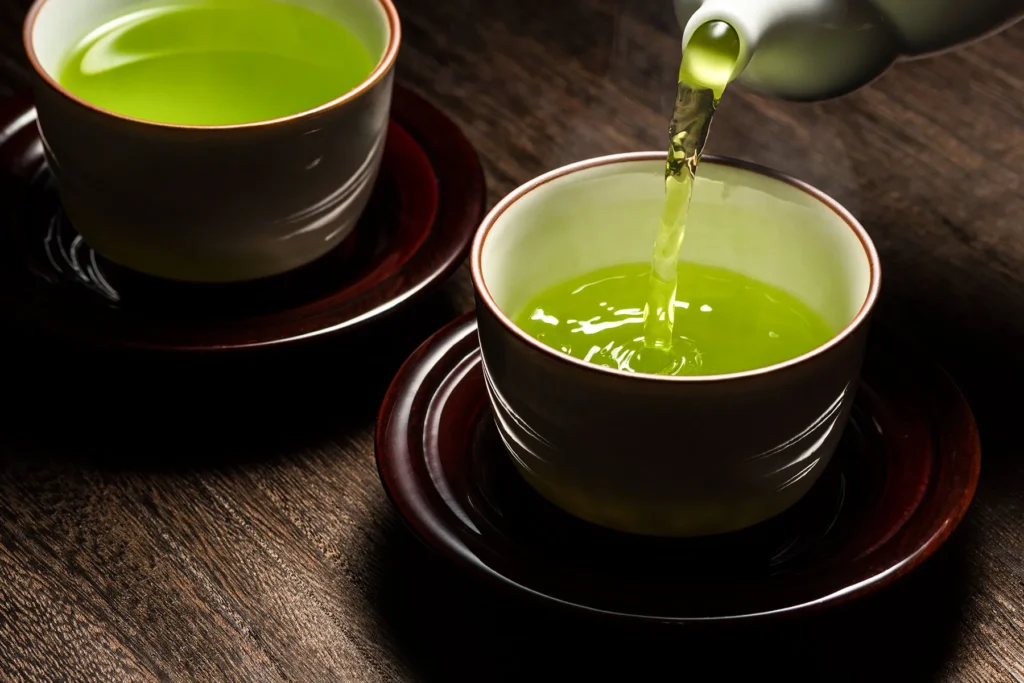
  2. Green Tea: Widely regarded as one of the healthiest teas due to its minimal processing, it is packed with polyphenols. It improves cardiovascular health, reduces stroke risk, and helps manage weight.
  3. White Tea: Less processed than green tea, white tea has potent antioxidant properties that help fight free radicals, reduce inflammation, and may protect against bacterial infection.
  4. Hibiscus Tea: Known to help manage blood pressure, reduce LDL cholesterol, and improve overall heart health due to its high concentration of antioxidants, including vitamin C.
  5. Rooibos Tea: A caffeine-free herb from South Africa that is exceptionally high in antioxidants, supporting skin health, lowering inflammation, and promoting longevity.
  6. Ginger Tea: Highly effective for digestion, reducing nausea, and decreasing inflammation.
  7. Oolong Tea: Partially oxidized, it helps boost metabolism, aids in weight maintenance by targeting triglycerides, and contains compounds that combat signs of aging.
  8. Black Tea: Contains flavonoids that improve cardiovascular health, reduce blood pressure, and enhance gut health.
  9. Peppermint Tea: Caffeine-free and known for supporting digestive health by reducing muscle spasms and bloating.
  10. Chamomile Tea: Renowned for calming effects, it improves sleep quality, reduces anxiety, and boosts the immune system. 

The healthiest loose-leaf tea practices focus on maximizing antioxidants and reducing toxins by using high-quality organic ingredients, proper temperature control, and nutrient-dense, custom blends. Key practices include using 1 teaspoon per 8oz of water, avoiding boiling delicate teas to prevent bitterness, and employing cold-brewing for higher antioxidant extraction. 

Try these healthy loose-leaf tea practices:

  • Customize Herbal Blends for Functionality: Create your own blends using dried organic herbs, fruits, and spices to avoid artificial flavors. Incorporate ingredients like dried rose hips for Vitamin C, peppermint for digestion, or ginger for circulation.
  • Utilize Proper Water Temperatures: Avoid boiling water for green and white teas, which can burn leaves and release excessive tannins, making it bitter. Use water just below boiling.
  • Cold-Brew for Maximum Antioxidants: Cold-brewing tea in the refrigerator for 2 hours (or longer) can produce a smoother, less bitter taste and often results in higher antioxidant activity, particularly for green tea.
  • Use Proper Tools for Expansion: Use spacious infusers or a teapot rather than tight tea balls, allowing the leaves to fully expand and release their maximum nutritional compounds.
  • Store in Glass Containers: Store your homemade tea blends in airtight glass jars or pouches in a cool, dark place to maintain freshness and prevent contamination from plastic.
  • Add Healthy Fats: Experiment with “bulletproof” style tea by adding healthy fats like coconut oil or grass-fed butter for sustained energy. 

By controlling the quality and sourcing of your ingredients, you ensure your tea is free from pesticides and filler materials often found in commercial tea bags. 

Phytonutrients: Paint Your Plate with the Colors of the Rainbow

xr:d:daf4ojckmgi:11,j:6662363412483516788,t:23122801

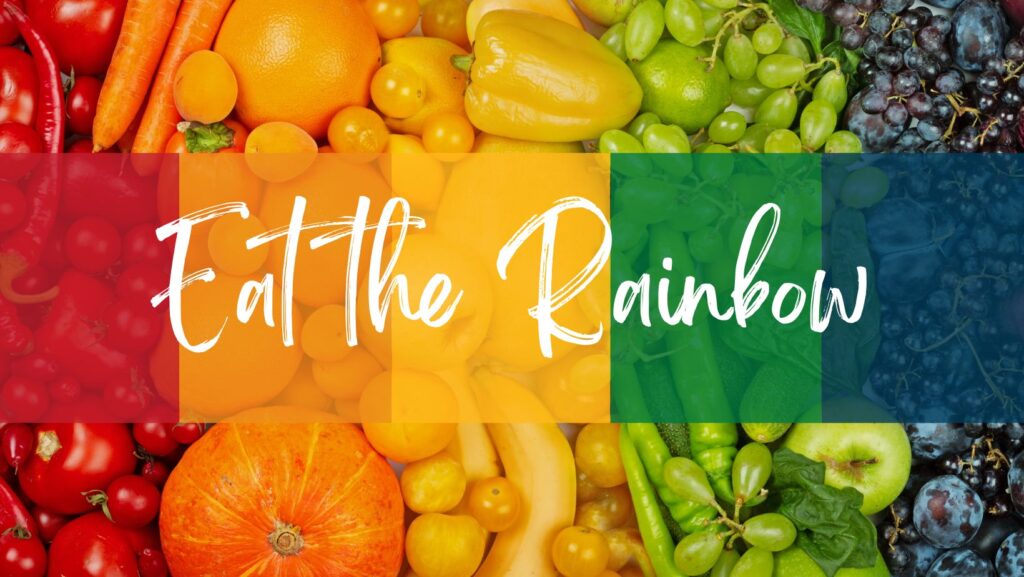
Eating your greens is just common sense, but if you want to reach a ripe old age, you’d better make sure you’re eating your reds, blues, and oranges too. Choosing from a variety of brightly colored fruits and vegetables—often called “eating the rainbow”—is vital for health and longevity because these colors are markers for specific phytonutrients (also called phytochemicals). These natural compounds protect plants from environmental threats and, when consumed, provide humans with potent antioxidant and anti-inflammatory properties that help combat aging and chronic disease. 

Why Colorful Produce Promotes Longevity

The deep pigments in fruits and vegetables signify high concentrations of bioactive compounds that support the body’s long-term resilience: 

  • Cellular Protection: Phytonutrients act as antioxidants, neutralizing free radicals that cause oxidative stress—a primary driver of cellular aging and DNA damage.
  • Disease Prevention: High intake of colorful produce is strongly linked to a reduced risk of leading causes of death, including cardiovascular disease, type 2 diabetes, and various cancers.
  • Systemic Support: Different colors target different bodily functions, ensuring “whole-body” maintenance. For instance, blue and purple foods are specifically associated with delaying cellular aging and protecting brain health. 

The “Rainbow” Health Breakdown

Each color category offers a unique “nutritional team” that contributes to a longer, healthier life: 

  • Red (Lycopene & Anthocyanins): Supports heart health, improves circulation, and reduces the risk of prostate and breast cancers.
    • Sources: Tomatoes, strawberries, raspberries, and red peppers.
  • Orange & Yellow (Carotenoids & Vitamin C): Essential for immune function, healthy skin, and vision. Beta-carotene converts to Vitamin A, which protects against age-related macular degeneration.
    • Sources: Carrots, sweet potatoes, oranges, and pumpkins.
  • Green (Chlorophyll, Lutein, & Zeaxanthin): Rich in cancer-blocking chemicals (like sulforaphane) and Vitamin K, which is crucial for bone health and blood clotting.
    • Sources: Spinach, kale, broccoli, and Brussels sprouts.
  • Blue & Purple (Anthocyanins & Resveratrol): Powerful antioxidants believed to improve memory, reduce inflammation, and lower the risk of stroke and heart disease.
    • Sources: Blueberries, blackberries, eggplant, and purple cabbage.
  • White & Brown (Allicin & Flavonoids): Contain anti-tumor properties and help control cholesterol and blood pressure levels.
    • Sources: Garlic, onions, cauliflower, and mushrooms. 
  • Eat the Skins: The most concentrated source of phytonutrients is often in the colorful skins of produce like apples and eggplant.
  • Prioritize Variety: Because no single color is superior, a balance of all colors is necessary for optimal health.
  • Fill Half Your Plate: The American Heart Association recommends filling at least half your plate with colorful produce to build a balanced, nutrient-dense meal. 

Eating a vibrant “rainbow” of fruits and vegetables is a simple, yet powerful, strategy for supporting overall health and potentially increasing longevity. Ultimately, embracing the rainbow is more than a dietary trend; it’s a foundational, daily practice that contributes to a resilient body and mind, paving the way for a healthier, more vibrant, and potentially longer life.

Zercher Squats: Power, Core, and Longevity

zercher

Zercher squats (holding the bar in the elbow crooks) offer superior core, thoracic spine, and upper-back engagement compared to back squats, making them better for upright posture and functional strength. They are generally more joint-friendly for the lower back and shoulders, aiding longevity, while back squats excel at building absolute maximal leg load.  Zercher squats act as a “joint-friendly” alternative to back squats, mitigating risks to the knees and lower back while ensuring consistent core and upper back strengthening to protect the spine during daily activities.

Health, Fitness, and Longevity Benefits of Zercher Squats

  • Superior Core Engagement: The front-loaded nature forces the abdominal muscles, obliques, and spinal erectors to work intensely to maintain an upright posture, leading to improved, deep abdominal bracing.
  • Reduced Spinal Compression: Zercher squats typically put less pressure on the lower spine than back squats, making them an excellent alternative for those with back issues.
  • Enhanced Posture & Upper Back: By forcing you to maintain an upright torso, it strengthens the upper back and prevents the forward-lean common in weak lifters.
  • Functional Real-World Strength: The movement mimics lifting, carrying, and holding awkward, heavy objects in the elbow crooks, translating to better “real-world” strength and longevity.
  • Upper-Body Involvement: Unlike back squats, the Zercher engages the biceps, lats, and upper back to keep the bar secure.
  • Accessibility: It requires less shoulder and wrist mobility than back squats. 

Key Strength Benefits:

  • Intense Core & Back Strength: The forward loading forces the rectus abdominis, obliques, and erector spinae to work significantly harder, strengthening the trunk against rotational and lateral forces. It also targets the upper back, including the traps, rhomboids, and rear delts.
  • Maximum Quad Activation: Because the weight is forward, it reduces the load on the lower back and forces the quads to work harder, making it a very quad-dominant exercise.
  • Improved Posture & Spinal Health: It forces an upright torso, correcting forward leaning, and is often preferred by those with lower back issues because it reduces direct compressive forces on the spine.
  • Functional Strength & Carryover: This lift is directly applicable to real-world tasks that involve lifting heavy objects (similar to Strongman training), and acts as an excellent “dead-stop” builder for raw strength.
  • Improved Squat Depth: The forward weight acts as a counterbalance, allowing many users to achieve a deeper, more comfortable squat.