The Ancient Secrets of Baoding Balls for Hand Health

chiballs

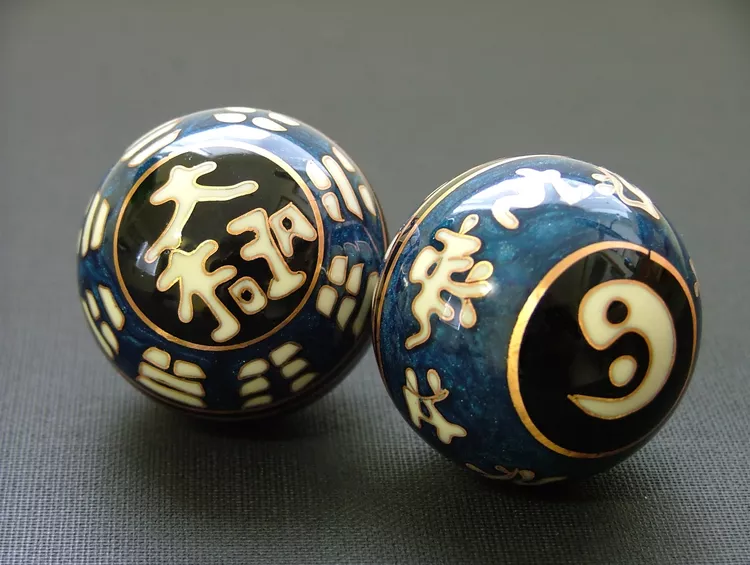
Chinese Baoding balls, also known as “health balls” or “meditation balls,” are traditionally associated with longevity through their ability to stimulate the body’s internal systems and manage age-accelerating stress. Emperor Qianlong, China’s longest-living emperor, famously attributed his long life to his daily practice with these balls. 

Baoding balls are traditional, therapeutic tools used to improve hand strength, flexibility, and dexterity while enhancing circulation. By stimulating, acupuncture points in the hand, they promote cognitive function, reduce stress through rhythmic, meditative motion, and support overall longevity by balancing qi (energy). 

The longevity benefits are primarily derived from the following areas:

Stress Reduction and Mental Longevity 

  • Cortisol Management: Stress is a leading cause of chronic health problems and premature aging. The rhythmic rotation and soothing chimes of the balls provide a meditative focus that reduces anxiety and lowers stress levels.
  • Cognitive Function: Regular use is believed to improve memory and sharpen intelligence by engaging the brain in complex motor coordination.
  • Mind-Body Connection: The practice strengthens the connection between the mind and body, helping to maintain mental acuity and emotional balance as you age. 

Physical Vitality and Circulation

  • Acupressure Stimulation: According to Traditional Chinese Medicine, the fingers and palms are connected to vital organs. Manipulating the balls stimulates these reflex points, which is believed to enhance the flow of Qi (vital energy) and improve blood circulation throughout the body.
  • Joint and Muscle Health: Rotating the balls exercises the intrinsic muscles of the hand, wrist, and forearm. This maintains joint flexibility, improves grip strength, and can alleviate stiffness associated with conditions like arthritis or carpal tunnel.
  • Motor Coordination: Using Baoding balls promotes bilateral coordination, which can help delay or reduce early signs of motor decline often associated with aging. 

Holistic Health Benefits

  • Improved Sleep: By calming the central nervous system, the practice can lead to better sleep quality, which is essential for cellular repair and longevity.
  • Internal Energy Flow: Chinese physicians often recommend them to combat fatigue, as they are thought to activate pressure points that boost energy levels and reduce inflammation. 
The Longevity Benefits of Asparagus

asparagus

Asparagus is considered a “power food” for health and longevity due to its high nutrient density, low calorie count, and rich concentration of antioxidants, particularly glutathione, which is known to fight free radicals and potentially slow the aging process. Asparagus supports heart health, digestion, and provides essential vitamins and minerals like fiber, folate, and vitamin K. 

Why You Should Eat Asparagus for Health and Longevity

  • Anti-Aging and Disease Prevention: Asparagus is ranked among the top fruits and vegetables for its ability to neutralize free radicals, which can help fight cancer, prevent heart disease, and reduce inflammation. It contains high levels of the antioxidant glutathione, which is linked to better immune function and liver detoxification.
  • Gut Health and Digestion: As a, Excellent source of fiber (about 3g per cup), it aids in digestion, regular bowel movements, and contains inulin, a prebiotic fiber that feeds good gut bacteria.
  • Heart Health and Reduced Blood Pressure: The high potassium content helps regulate blood pressure, while folate works to lower homocysteine, an amino acid that can lead to heart disease.
  • Bone Health: A single cup of raw asparagus provides over half of the recommended daily intake of vitamin K, which is essential for bone density and blood clotting.
  • Natural Detoxification: Asparagus contains the amino acid asparagine, which acts as a diuretic, helping to flush excess salts and fluids, reducing bloating and aiding kidney function.
  • Supports Cognitive Function: The high folate levels, combined with Vitamin B12, have been shown to help prevent cognitive decline and improve mental flexibility, particularly in older adults. 

How to Incorporate Asparagus into Your Diet

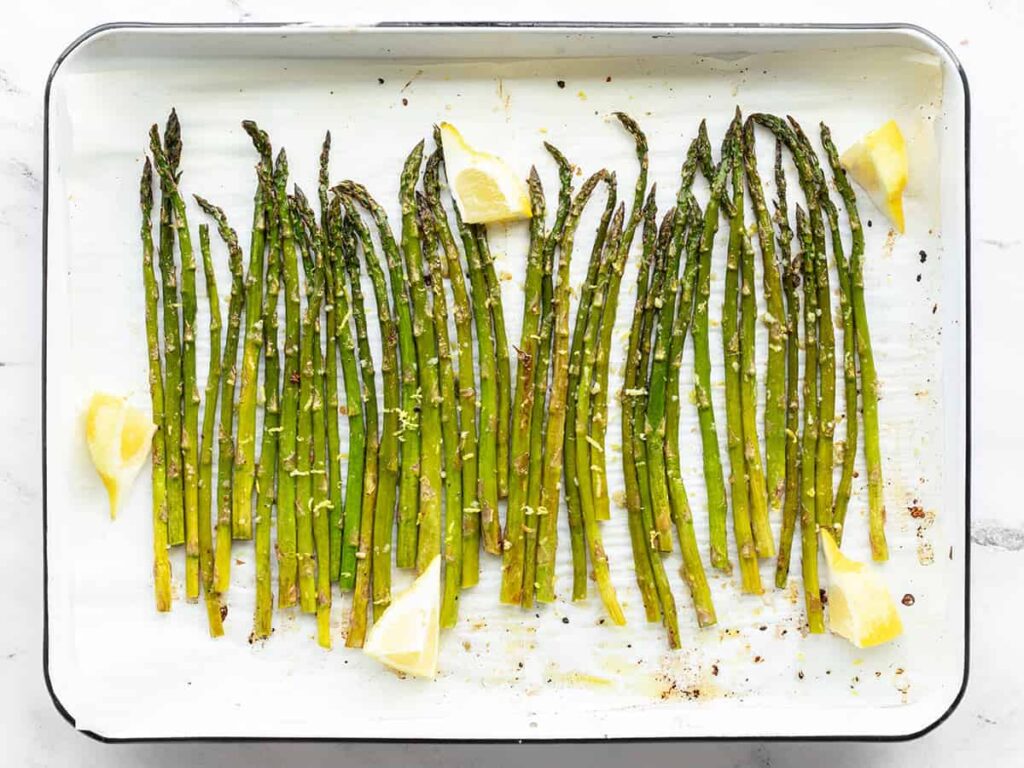
  • Roasted with Olive Oil: Toss spears with extra virgin olive oil, garlic, lemon juice, and black pepper, then roast at 400°F-450°F for 10-15 minutes until tender-crisp.
  • Grill for Smoky Flavor: Grill with a light coating of olive oil and top with balsamic vinegar or Parmesan cheese.
  • Add to Breakfast: Chop and add to omelets, frittatas, or top on scrambles.
  • Incorporate into Main Dishes: Slice into stir-fries, mix into pasta (add to boiling water 3 minutes before pasta is done), or include in risottos.
  • Raw and Quick Snacks: Use raw in hummus, dips, or in a fresh smoothie with cucumber and lemon. 

Tips for Maximum Benefit

  • Don’t Overcook: Overcooking makes it mushy; it is best when it retains a slight crunch.
  • Store Properly: Keep it fresh by trimming the ends and standing it upright in a jar with an inch of water in the refrigerator, covered loosely with a plastic bag.
  • Pair with Fat: Asparagus contains fat-soluble nutrients, so consuming it with healthy fats like olive oil enhances nutrient absorption.

Warm Up Your Winter: Ideas to Boosting Mood and Longevity

winter


Spring is near but if winter time has a negative affect on your well being there are several things you can try to counter this.

To counteract low winter moods, focus on maximizing light exposure, consistent physical activity, and social connection. Use a 10,000-lux light box for 20–30 minutes in the morning, get daily outdoor daylight, and take Vitamin D supplements. Maintain a strict sleep schedule, exercise regularly, and plan engaging activities to boost serotonin and endorphins. 

Light & Environmental Adjustments

  • Light Therapy Boxes: Use a 10,000-lux lightbox for 20-30 minutes each morning to simulate sunlight.
  • Maximize Natural Light: Open curtains immediately upon waking, sit near windows, and walk outside during the day.
  • Brighten Your Environment: Use higher-wattage, warm-toned light bulbs to create a brighter indoor atmosphere. 

Physical Activity & Nutrition

  • Move Daily: Engage in at least 30 minutes of moderate exercise to increase endorphins and reduce stress. Activities like yoga, hiking, or even walking can significantly improve mood.
  • Nutrient-Dense Diet: Focus on protein-rich foods (meats, eggs, nuts) to boost serotonin and tryptophan levels.
  • Vitamin D Support: Consult a doctor about Vitamin D supplements, which are crucial due to decreased sun exposure.
  • Hydration: Drink plenty of water, as people tend to drink less during cold weather. 

Mental Wellness & Lifestyle

  • Socialize: Combat isolation by staying connected with friends and family, or by volunteering, which can be highly uplifting.
  • Establish Routines: Maintain a consistent sleep-wake cycle to regulate your circadian rhythm.
  • Plan Ahead: Create milestones, such as planning a trip or learning a new skill, to give you something to look forward to and break up the monotony.
  • Mindfulness: Practice meditation or journaling to manage stress. 

Blue Spaces: The Longevity Benefits of Walking by the Water

bluespaces

Walking near water, known as engaging with “blue spaces,” boosts health and longevity by reducing stress, improving mental well-being, and promoting physical activity. The calming, natural environment lowers blood pressure and heart rates, while providing Vitamin D. Studies show living within 250 meters of water reduces the risk of dying by 12–17%. 

Physical Health Benefits

  • Encourages Activity: Waterfronts provide, trails, and paths that encourage regular walking, cycling, and movement.
  • Cardiovascular Health: The calming effect of water reduces stress, leading to lower blood pressure and improved heart health.
  • Vitamin D Synthesis: Coastal areas provide increased sunlight, improving Vitamin D levels for immune function and bone health.
  • Improved Sleep: Regular, calming walks in these environments can aid in better sleep patterns. 

Mental Health

  • “Blue Mind” Effect: The sight and sound of water induce a meditative state (Blue Mind), which reduces anxiety, lowers cortisol, and boosts mood.
  • Reduced Stress: Natural water environments filter out urban noise and pollution, promoting relaxation and mental rejuvenation.
  • Cognitive Benefits: Walking near water can increase mental stamina, focus, and working memory. 

Longevity

  • Blue Zones Connection: Many regions known for extreme longevity (e.g., Okinawa, Ikaria) are located near water, supporting the link between blue spaces and longer, healthier lives.
  • Consistent Access: Regular exposure to water, rather than occasional, offers the best long-term mental and physical benefits. 

Why “Blue Spaces” Work

The calming, often meditative, nature of water acts as a “cure” for the overstimulated mind, providing a sensory, restorative experience that encourages mindfulness. Even just visiting water features like lakes, rivers, or fountains can provide these mental health, relaxation, and physical benefits.

Why Flexible Hips Are the Secret to Staying Active for Life

hips

Are tight hips holding back your fitness progress? Maintaining flexible and mobile hips is vital for wellness and longevity because it directly impacts mobility, pain reduction, and functional independence, especially as we age. Flexible hips ensure better posture, balance, and reduced strain on the lower back, knees, and ankles.

Key Reasons for Maintaining Flexible Hips:

  • Pain Prevention: Tight hips often lead to compensatory movement patterns, causing pain in the lower back, knees, and ankles.
  • Improved Posture and Alignment: Flexible hips help the pelvis maintain a neutral position, which aligns the spine and reduces chronic pain.
  • Functional Longevity and Balance: Mobility in the hip joint is essential for walking, stair climbing, and sitting, reducing the risk of falls and promoting independence in older adults.
  • Enhanced Athletic Performance: Greater hip mobility leads to better stride length, increased power, and improved agility, preventing injuries in active individuals.
  • Joint Health: Regular movement and stretching prevent the joints from stiffening due to age or prolonged sitting, reducing wear and tear. 

Strategies for Hip Flexibility

  • Daily Movement and Mobility: Avoid sitting for long periods. Every 30 to 45 minutes, stand up, walk, or perform gentle hip stretches.
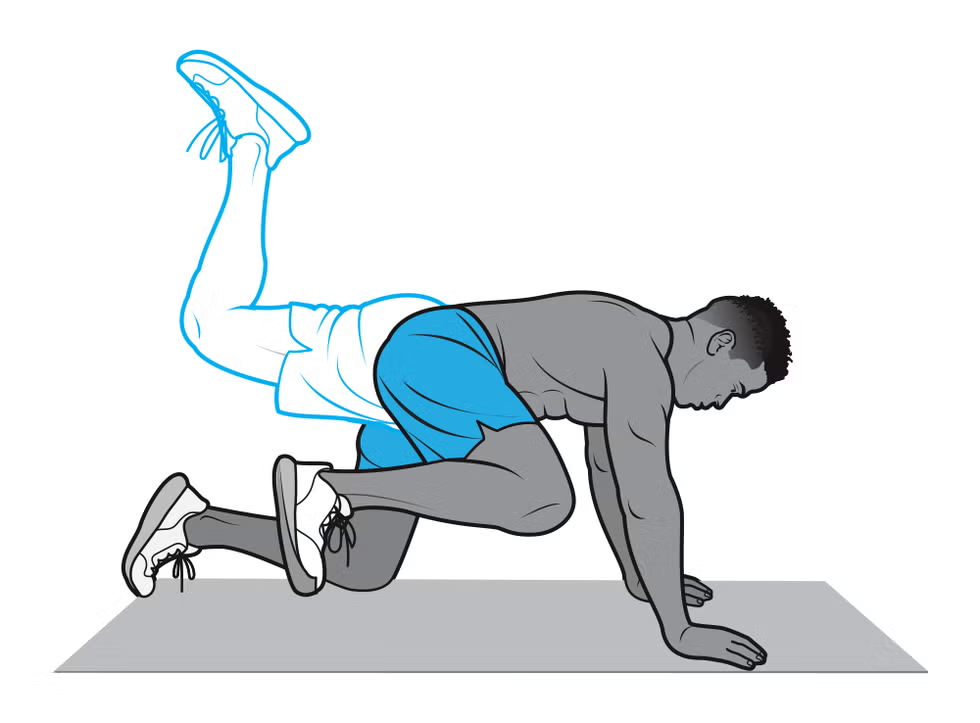
  • Targeted Stretching: Perform stretches that target the hip flexors, groin, and glutes (e.g., half-kneeling hip flexor stretch, pigeon pose, frog pose, or figure-four stretch). Hold stretches for 30 seconds, repeating 2-3 times daily.
  • Strengthening Exercises: A strong hip joint needs strong supporting muscles. Focus on exercises like squats, lunges, clamshells, and bridges to improve stability and prevent injury.
  • Low-Impact Cardio: Engage in activities that encourage range of motion without excessive strain, such as swimming, cycling, or walking.
  • Warm-Up: Always perform dynamic stretches—like leg swings or hip circles—before activity to increase blood flow and flexibility.
  • Maintain a Healthy Weight: Reducing excess body weight decreases pressure on the hip joints, with every 10 pounds of excess weight adding 40 pounds of pressure to the joint.
  • Use Tools for Release: Use a foam roller or tennis ball to massage muscles that are difficult to stretch, such as the IT band and deep glutes.