Zercher Squats: Power, Core, and Longevity

zercher

Zercher squats (holding the bar in the elbow crooks) offer superior core, thoracic spine, and upper-back engagement compared to back squats, making them better for upright posture and functional strength. They are generally more joint-friendly for the lower back and shoulders, aiding longevity, while back squats excel at building absolute maximal leg load.  Zercher squats act as a “joint-friendly” alternative to back squats, mitigating risks to the knees and lower back while ensuring consistent core and upper back strengthening to protect the spine during daily activities.

Health, Fitness, and Longevity Benefits of Zercher Squats

  • Superior Core Engagement: The front-loaded nature forces the abdominal muscles, obliques, and spinal erectors to work intensely to maintain an upright posture, leading to improved, deep abdominal bracing.
  • Reduced Spinal Compression: Zercher squats typically put less pressure on the lower spine than back squats, making them an excellent alternative for those with back issues.
  • Enhanced Posture & Upper Back: By forcing you to maintain an upright torso, it strengthens the upper back and prevents the forward-lean common in weak lifters.
  • Functional Real-World Strength: The movement mimics lifting, carrying, and holding awkward, heavy objects in the elbow crooks, translating to better “real-world” strength and longevity.
  • Upper-Body Involvement: Unlike back squats, the Zercher engages the biceps, lats, and upper back to keep the bar secure.
  • Accessibility: It requires less shoulder and wrist mobility than back squats. 

Key Strength Benefits:

  • Intense Core & Back Strength: The forward loading forces the rectus abdominis, obliques, and erector spinae to work significantly harder, strengthening the trunk against rotational and lateral forces. It also targets the upper back, including the traps, rhomboids, and rear delts.
  • Maximum Quad Activation: Because the weight is forward, it reduces the load on the lower back and forces the quads to work harder, making it a very quad-dominant exercise.
  • Improved Posture & Spinal Health: It forces an upright torso, correcting forward leaning, and is often preferred by those with lower back issues because it reduces direct compressive forces on the spine.
  • Functional Strength & Carryover: This lift is directly applicable to real-world tasks that involve lifting heavy objects (similar to Strongman training), and acts as an excellent “dead-stop” builder for raw strength.
  • Improved Squat Depth: The forward weight acts as a counterbalance, allowing many users to achieve a deeper, more comfortable squat. 
Gum Disease is Dangerous to Your Heart

gumsheart

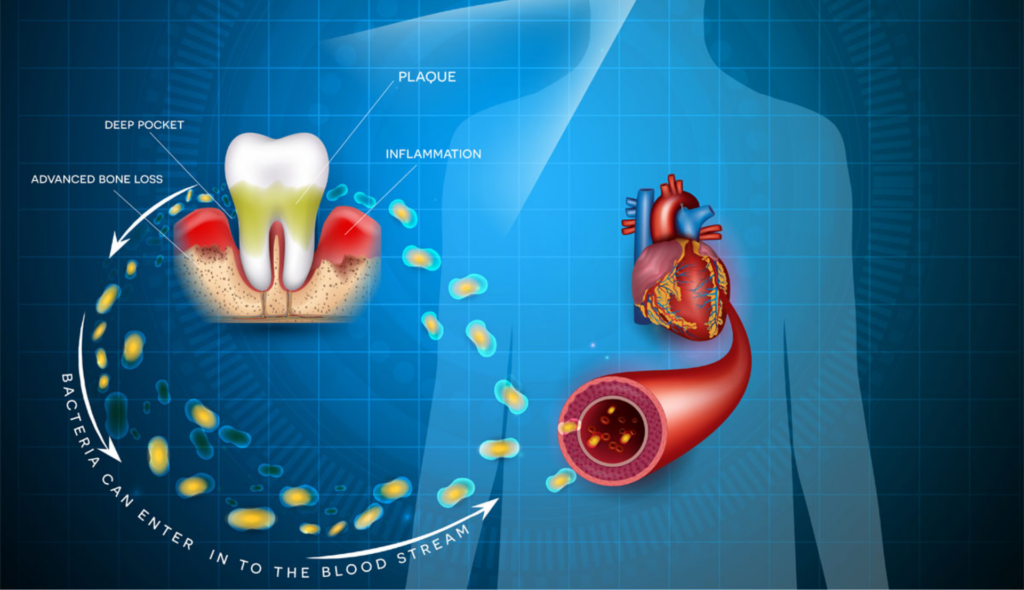
Gum disease (periodontitis) is closely linked to heart disease through chronic, systemic inflammation caused by bacteria entering the bloodstream through bleeding gums, which can damage blood vessels and promote arterial plaque, potentially reducing overall longevity. Individuals with periodontal disease face a 28% higher risk of heart attacks. 

The Connection: Gum Disease and Heart Disease

  • Bacteria Transfer: The bacteria that cause periodontal disease can travel from the mouth to the blood vessels, causing inflammation, narrowing of the arteries, and increased risk of cardiovascular issues.
  • Systemic Inflammation: Chronic inflammation in the gums acts as a source of inflammation throughout the body, leading to plaque buildup (atherosclerosis).
  • Biological Mechanisms: Oral bacteria like Porphyromonas gingivalis have been found in arterial plaques, indicating a direct link.
  • Shared Risk Factors: Common factors, such as smoking, poor diet, and diabetes, contribute to both poor oral health and heart disease. 

Impact on Longevity

  • Disease Progression: Poor oral hygiene has been linked to higher rates of cardiovascular disease, which can limit lifespan.
  • Increased Risks: Severe gum disease is associated with higher risks of strokes, heart attacks, and heart failure.
  • Protective Measures: Maintaining good oral hygiene—brushing and flossing daily—is considered a key component of a healthy lifestyle that promotes longevity and reduces the risk of heart-related deaths. 

Key Takeaways

  • Bidirectional Relationship: While gum disease can worsen heart conditions, existing heart issues may also be exacerbated by gum infections.
  • Prevention: Regular dental check-ups and good oral hygiene are crucial, as studies suggest reducing inflammation from gum disease may help improve cardiovascular health.

Neglecting oral hygiene allows harmful bacteria to thrive, creating inflammation that can enter the bloodstream and contribute to arterial plaque, increasing the risk of heart attacks and strokes. By simply brushing twice a day and flossing daily, you aren’t just preventing cavities—you are directly reducing the inflammatory burden on your blood vessels. Treat your dental health as a fundamental part of a heart-smart lifestyle and ensure you see a dentist regularly to keep both your smile and your heart strong.

The Longevity Sleep Formula

sleep

Improving sleep quality and quantity—ideally 7–8 hours—significantly boosts longevity by aiding cellular repair, cognitive function, and metabolic health. Key tips include keeping a consistent schedule, optimizing the environment (cool/dark), limiting blue light, avoiding caffeine/alcohol, and exercising regularly. Good sleep can add years to life expectancy. 

Top Five Tips for Better Sleep

  1. Maintain a Consistent Schedule: Go to bed and wake up at the same time every day, including weekends, to regulate your circadian rhythm.
  2. Create a Sleep Sanctuary: Keep the bedroom cool (around 65°F–68°F or 18°C–20°C), dark, and quiet.
  3. Eliminate Blue Light Exposure: Turn off electronic devices (phones, TVs, laptops) at least 30–60 minutes before bed to allow for natural melatonin production.
  4. Watch Diet and Substance Intake: Avoid heavy meals, caffeine, and alcohol within 3 hours of bedtime.
  5. Establish a Relaxing Routine: Create a calming ritual like reading, listening to music, or taking a warm bath to signal to your body it is time to wind down. 

Impact on Longevity
High-quality sleep is crucial for repairing tissues, boosting the immune system, and consolidating memories. Studies indicate that maintaining good sleep habits—such as falling asleep easily, staying asleep, and waking up refreshed—can add nearly five years to a man’s life expectancy and over two years to a woman’s. Conversely, chronic sleep deprivation is linked to higher risks of cardiovascular disease, obesity, and cognitive decline. 

Why Olive Oil is a Longevity Staple

ooil

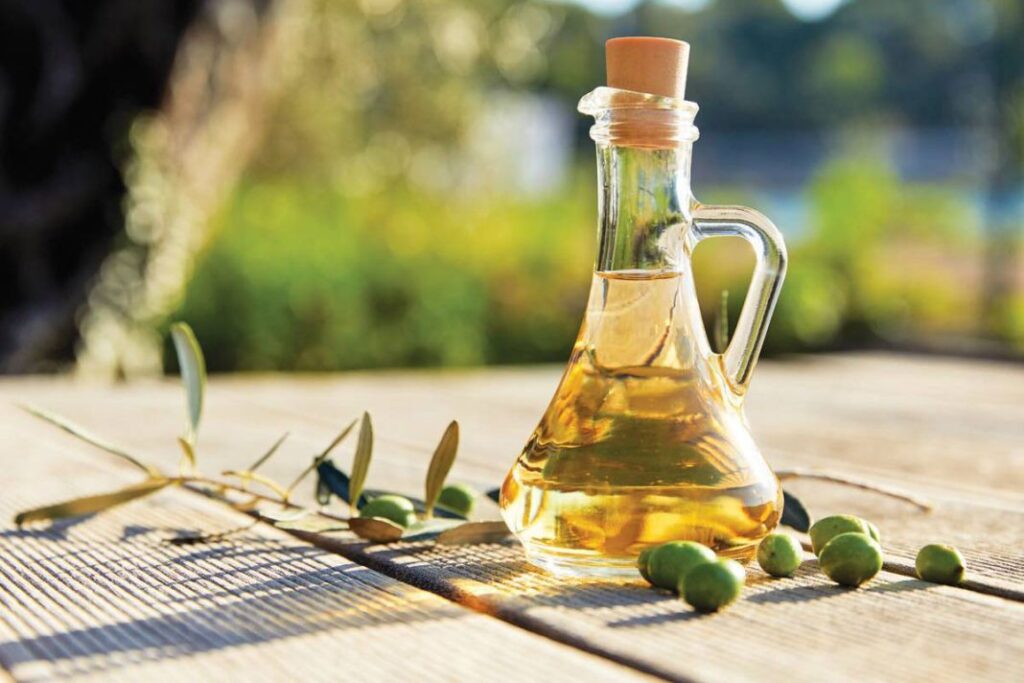
Pass the olive oil! It might just be the healthiest part of your meal. Regularly consuming olive oil, particularly extra virgin olive oil (EVOO) is linked to increased longevity by reducing the risk of premature death from heart disease, cancer, and neurodegenerative diseases. It works by reducing inflammation, improving cardiovascular health, and fighting cellular aging. Consuming 1–2 tablespoons daily, preferably raw or at low heat, offers the best benefits. 

Longevity Benefits of Olive Oil

  • Reduced Mortality Risk: High consumption is associated with a 19% lower risk of early death.
  • Cardiovascular Health: It lowers risk of heart disease and stroke by reducing LDL cholesterol and, with its antioxidant hydroxytyrosol, potentially adding 9.5 years to life expectancy (after age 65).
  • Anti-inflammatory & Antioxidant: Contains polyphenols like oleocanthal that fight cellular aging and inflammation.
  • Disease Prevention: Linked to lower risks of Alzheimer’s, cancer, and respiratory diseases. 

Best Type of Olive Oil

  • Extra Virgin Olive Oil (EVOO): This is the highest quality, least processed (cold-pressed) oil, preserving the highest levels of beneficial polyphenols and antioxidants.
  • Organic/Cold-Pressed: Look for “cold-pressed” or “first-pressed” to ensure it hasn’t been heated or chemically treated, which reduces its health benefits. 

How to Use Olive Oil for Longevity

  • Daily Amount: Aim for 1 to 2 tablespoons (15–30 mL) daily.
  • Consume Raw: Drizzle over salads, cooked vegetables, or dips to preserve delicate polyphenols.
  • Low-Heat Cooking: EVOO can be used for sautéing or light frying, though high heat may degrade some nutrients.
  • Storage: Store in a cool, dark place in a glass bottle to prevent oxidation. 

Evidence from Mediterranean Blue Zones

  • Ikaria, Greece: Research found that consuming approximately 6 tablespoons of olive oil daily was associated with cutting the risk of dying in middle age by nearly half. Another study indicated that Ikarians have a 50% lower mortality rate compared to populations with different fat sources.
  • Molochio, Italy (Calabria): This region has over 5 times the national average of centenarians. Studies by Dr. Valter Longo and others attribute this to a traditional diet where extra virgin olive oil (EVOO) is the primary fat source, which is linked to a 74% lower relative risk of mortality from all causes in middle-aged adults.
  • Sardinia, Italy: Regular consumption of olive oil is a documented factor in maintaining the cardiovascular health and mobility of elderly Sardinians, contributing to the island’s high concentration of male centenarians.

Why is Loma Linda, California Considered a “Blue Zone”?

bluezones

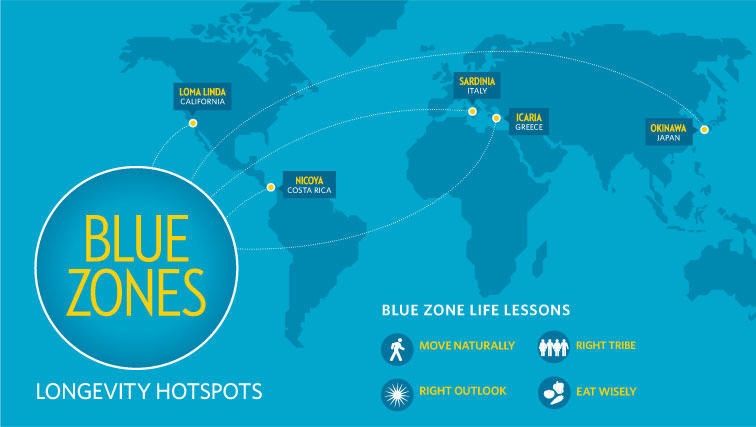
Loma Linda, California, is considered a “Blue Zone“—a, region where people live significantly longer, healthier lives—primarily because of the high concentration of Seventh-day Adventists living there. Residents, particularly members of this church, often live about a decade longer than the average American due to a lifestyle deeply rooted in faith, community, and specific health habits. 

Here is a breakdown of why Loma Linda is a Blue Zone:

1. Plant-Based and Healthy Diet 

  • Vegetarianism: Many residents follow a biblical, plant-based, or vegetarian diet.
  • “Superfoods”: The diet is rich in nuts, beans, fruits, and vegetables. Studies have shown that Adventist women who frequently eat tomatoes have a significantly lower risk of ovarian cancer, for example.
  • Limiting Meat: Meat is eaten rarely, and many residents avoid processed foods and refined sugar. 

2. Physical Activity and Lifestyle

  • Constant Natural Movement: Instead of intense gym routines, residents engage in regular, moderate exercise, such as walking, gardening, and hiking.
  • No Smoking or Alcohol: The Adventist faith encourages abstinence from tobacco and alcohol. 

3. Faith, Rest, and Community

  • Sabbath Rest: A key contributor is the 24-hour weekly Sabbath (Friday sunset to Saturday sunset), which is used for spiritual reflection, family time, and disconnecting from work-related stress.
  • Strong Social Connections: The community is highly interconnected, often socializing through church activities, potlucks, and volunteering.
  • Sense of Purpose: A strong sense of purpose (“why I wake up in the morning”) is common, which is linked to lower stress and higher resilience in older adults. 

4. Environmental Factors

  • Health-Conscious Environment: The city has controls on the sale of alcohol and bans on smoking. It is often described as a place where the healthy choice is the easy choice, with easy access to fresh, plant-based foods. 

Research, including the Adventist Health Study, has shown that these combined factors allow residents to live, on average, 4 to 10 years longer than the general population.

Other Global Blue Zones

Loma Linda belongs to a small group of “original” Blue Zones identified by researcher Dan Buettner and National Geographic: Loma Linda Chamber of Commerce +3

  • Okinawa, Japan: Home to the world’s longest-lived women.
  • Sardinia, Italy: Boasts the highest concentration of male centenarians.
  • Nicoya Peninsula, Costa Rica: Features the world’s lowest rate of middle-age mortality.
  • Ikaria, Greece: An island with very low rates of middle-age mortality and dementia. 

While these areas are famous for their unique environments, health experts emphasize that these principles—like moving naturally, eating plants, and staying connected—can be adopted anywhere.