Why Vitamin D Needs Increase with Age

vitd

Vitamin D is strongly linked to longevity due to its role in key biological processes related to aging and disease prevention. At a cellular level, adequate vitamin D levels are associated with preserving the length of telomeres, the protective caps at the ends of chromosomes that naturally shorten as cells divide and age. By potentially slowing this shortening, vitamin D may help protect DNA integrity and reduce the risk of age-related diseases like cancer and cardiovascular conditions. Vitamin D also exhibits significant anti-inflammatory and antioxidant effects, which help to mitigate “inflammaging” (chronic low-grade inflammation) and oxidative stress, major drivers of cellular damage and age-related decline

We need more vitamin D as we age because our skin becomes less efficient at producing it from sunlight, and older adults often spend more time indoors, increasing deficiency risk, while simultaneously needing it more for stronger bones (to prevent osteoporosis/fractures), better muscle strength (to prevent falls), and a healthy immune system. Vitamin D helps absorb calcium, vital for bone health, and its decline with age, coupled with reduced sun exposure, creates a greater need for supplementation or fortified foods. 

  1. Reduced Skin Synthesis: The skin’s ability to produce vitamin D from sunlight decreases significantly with age, meaning older adults make less vitamin D even with the same sun exposure as younger people.
  2. Less Sun Exposure: Many seniors spend more time indoors due to mobility issues, health concerns, or living situations, limiting natural production.
  3. Impaired Absorption/Conversion: Kidney and liver diseases, common in older age, can hinder the body’s ability to convert vitamin D into its active form. 

Key Benefits for Older Adults

  • Bone Health: Prevents osteoporosis (brittle bones) and osteomalacia (soft bones) by helping absorb calcium, reducing fracture risk.
  • Muscle Strength: Supports muscle function, which is crucial for balance and reducing falls.
  • Immune Support: Keeps the immune system strong to fight infections.
  • Other Roles: Supports nerve function, may help with blood sugar regulation (diabetes), and has anti-inflammatory effects. 

How to Get More Vitamin D

  • Sunlight: Brief, regular, unprotected sun exposure (when safe).
  • Food: Fatty fish, tofu, and and various fortified plant-based products.
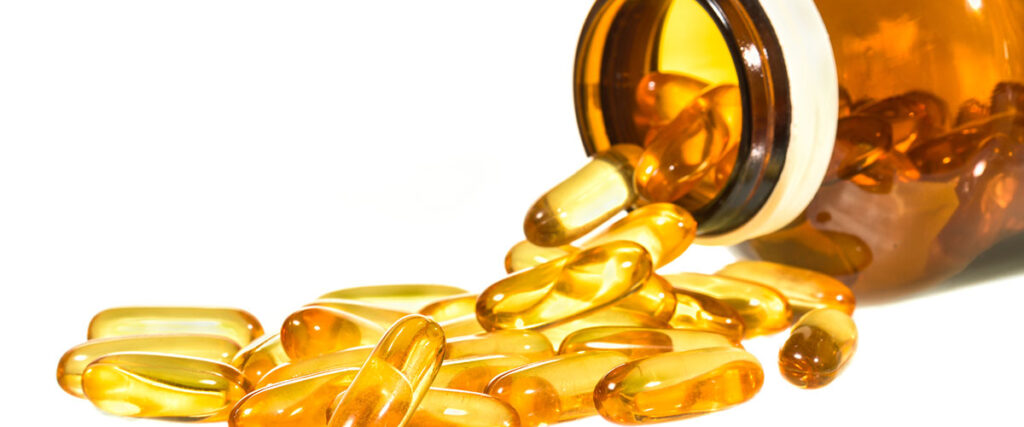
  • Supplements: Often necessary to meet needs, especially for deficient individuals.
Stick to It in 2026: Using Post-it Notes to Achieve Your Fitness Goals

drinkwater

Happy New Year!

Each new year brings new goals, and in 2026 you should try using sticky notes to work toward your goals. Sticky notes help with longevity and wellness goals because they provide constant reminders, help break down big goals into small steps, track progress, and keep intentions front-and-center, boost motivation through simple, daily reinforcement. 

How sticky notes support wellness goals:

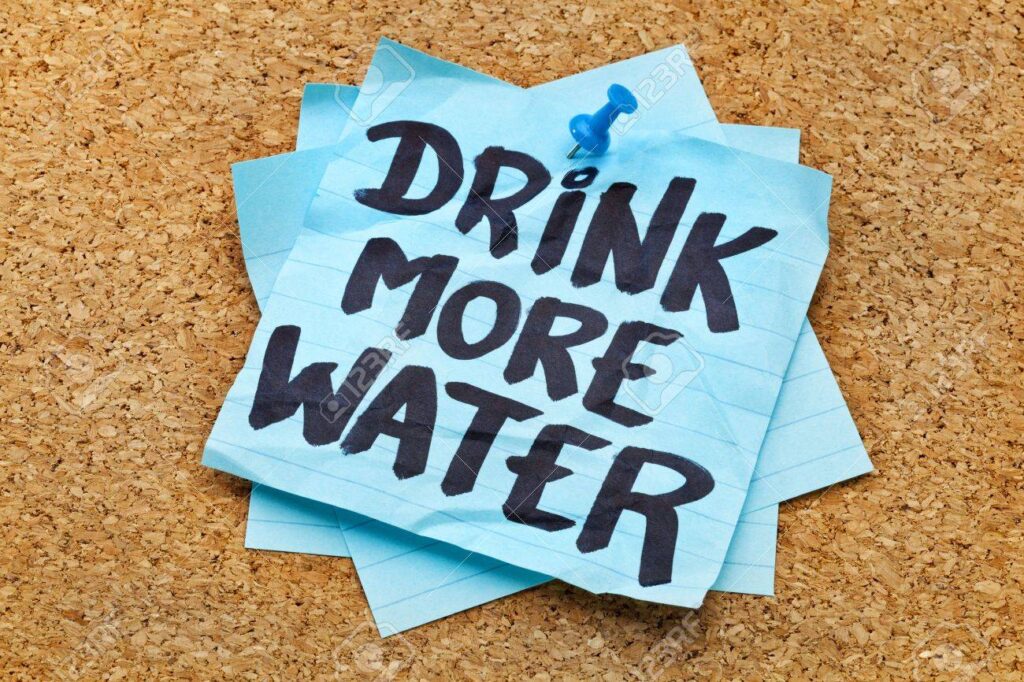
  • Visual Reminders: Place notes with affirmations (e.g., “I choose happiness”) or daily tasks (e.g., “Drink water”) on mirrors, computers, or refrigerators where you’ll see them often.
  • Habit Tracking: Create checkboxes for daily habits on a note and move it to a “done” section as you build consistency, making progress visible.
  • Goal Breakdown: Write large goals (e.g., “Run a 5K”) on one note and smaller, actionable steps (e.g., “Walk 1 mile today”) on separate notes, sticking them to a board.
  • Focus & Prioritization: Use the “One Thing Focus” method by writing only your most important task on a single note and placing it at eye level to reduce multitasking and distraction.
  • Brainstorming & Planning: Use them for quick idea capture, planning healthy meals, or mapping out small, healthy changes to incorporate.
  • “Yes/No” Goals: Write down what you’ll say “yes” to (e.g., daily walks) and what you’ll say “no” to (e.g., excessive screen time) to create balance. 
  • Mindfulness & Stress Reduction: Write affirmations like “I am calm” or “I choose healthy foods” and place them on mirrors or in your workspace to shift negative thought patterns and promote self-compassion.

Getting started:

  1. Brainstorm: Write down your wellness goals and daily actions on separate notes.
  2. Place Strategically: Put them in high-traffic areas like your desk, bathroom, or kitchen.
  3. Track Visually: Move notes from “To Do” to “Done” or use them to build a progress board.
  4. Keep it Simple: Focus on one or two key actions at a time to build momentum. 

Sticky notes boost longevity and wellness by acting as visual cues for healthy habits and they serve as powerful external memory aids, keeping important intentions visible and reducing the cognitive load of trying to remember everything, thereby supporting long-term behavior change. 

They can help you create a supportive environment in 2026 that nudges you towards healthier choices and better focus, supporting both immediate well-being and long-term life goals.