Knowing your A1C score is vital because it reveals your average blood sugar over 2-3 months, helping diagnose prediabetes/diabetes, track treatment effectiveness, and, most importantly, prevent severe long-term health issues like heart disease, stroke, kidney failure, blindness, and nerve damage, boosting longevity by catching problems early and guiding lifestyle changes. A lower A1c means better sugar control and a significantly reduced risk of these debilitating complications, improving both quality of life and lifespan.
Why A1C matters for health & longevity:
- Early Detection: Identifies prediabetes (risk of diabetes) or diabetes before symptoms become severe, allowing for early intervention.
- Risk Assessment: Higher scores signal elevated risk for cardiovascular disease, kidney damage (nephropathy), eye problems (retinopathy), nerve damage (neuropathy), and stroke.
- Complication Prevention: Keeping A1C in a healthy range (below 7% for most with diabetes) dramatically lowers the risk of developing or worsening these serious complications, directly impacting your health span and lifespan.
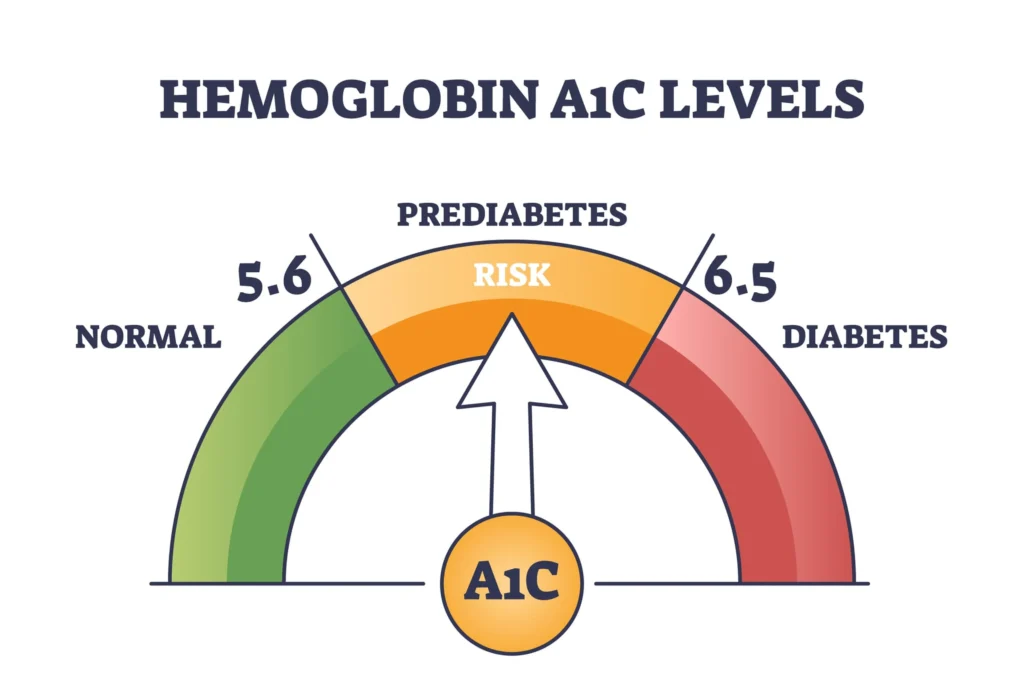
What the numbers mean (General Guidelines):
- Normal: Below 5.7%
- Prediabetes: 5.7% to 6.4% (high risk for Type 2 Diabetes)
- Diabetes: 6.5% or higher
To lower your A1C, consistently combine a balanced diet (whole grains, veggies, lean protein, less sugar/processed food) with regular physical activity (150 min/week of cardio/strength), prioritize stress management (meditation, hobbies), maintain a healthy weight, drink water, get enough sleep, and strictly follow your doctor’s prescribed medications, working with them to adjust your plan for better blood sugar control and improved insulin sensitivity.
- Diet: Focus on fiber-rich whole foods, lean proteins, fruits, and vegetables, while reducing sugar, processed items, and unhealthy fats, eating smaller, regular meals.
- Exercise: Aim for 150 mins of moderate activity weekly (walking, swimming) plus strength training to improve how your body uses insulin.
- Stress/Sleep: Manage stress with relaxation techniques and ensure sufficient sleep, as stress raises blood sugar.
- Medication: Take all prescribed medications exactly as directed by your doctor.
- Weight: Aim for gradual, realistic weight loss, as even a 5% loss helps significantly.
- Hydration: Drink plenty of water instead of sugary drinks.