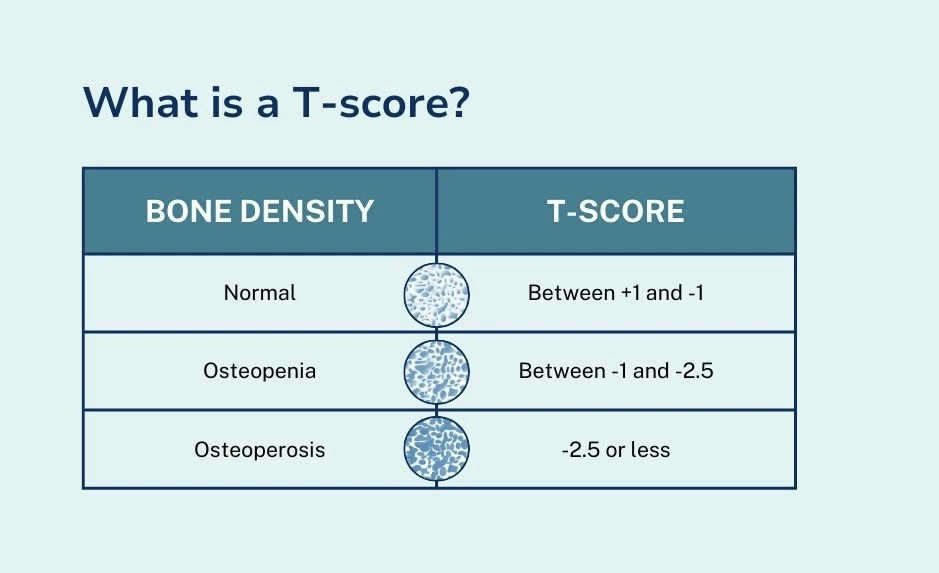
Prioritizing bone density is a critical component of healthspan because bone serves as the structural foundation that facilitates lifelong mobility and independence. Unlike many tissues, bone mass peaks in our 20s and begins a gradual decline thereafter; failing to monitor this “silent” metric can lead to osteoporosis, where bones become so fragile they fracture from minor slips or even a cough.
By treating bone density as a vital sign—much like blood pressure—you can implement the necessary resistance training and nutritional interventions early enough to ensure your skeletal system remains strong enough to support an active, high-quality life well into your later years.
For optimal bone health and longevity, a dual approach combining mechanical loading (stressing the bone) and nutritional support (providing building blocks) is most effective. Bone is living tissue that responds to the forces placed upon it by becoming denser and stronger.
1. Training: The Mechanical Stimulus
To increase bone density, you must apply a load greater than what the bone usually experiences. This sends a biological signal to “osteoblasts” (bone-building cells) to create new tissue.
- Resistance Training (Weight Lifting): This is the gold standard. When muscles contract, they tug on the bone, stimulating mineralization.
- Focus: Use heavier weights with fewer repetitions (e.g., 5-10 reps) to provide higher stress.
- Key Moves: Compound lifts like squats, deadlifts, and overhead presses are highly effective because they load the spine and hips—the most common sites for fractures.
- Weight-Bearing Aerobics: Activities where your feet and legs carry your own weight against gravity.
- High-Impact: Running, jumping rope, and dancing provide the strongest stimulus. Even 20–30 jumps per day can noticeably improve hip density.
- Low-Impact: If high-impact is unsafe, brisk walking, stair climbing, or hiking with a weighted vest (rucking) are excellent alternatives.
- Balance & Flexibility: While they don’t build density directly, activities like Tai Chi or Yoga are critical for fall prevention, which is the primary cause of bone fractures in older age.
2. Diet: The Structural Building Blocks
Nutrition provides the raw materials needed for the “scaffolding” and hardening of bone tissue.
- Calcium (The Hardener): Aim for 1,000–1,200 mg daily. It is best absorbed in smaller doses throughout the day (e.g., 500 mg per meal).
- Sources: Dairy (yogurt, cheese), canned sardines/salmon (with bones), kale, and fortified plant milks.
- Vitamin D (The Absorber): Essential for calcium absorption. Most adults need 600–1,000 IU daily, often requiring supplementation or safe sun exposure.
- Protein (The Scaffolding): About 50% of bone is protein. It forms the meshwork that calcium binds to. Aim for roughly 0.4g per pound of body weight.
- Micronutrients (The Regulators):
- Vitamin K2: Directs calcium into the bones rather than arteries. (Found in natto, sauerkraut, and cheese).
- Magnesium & Zinc: Help activate Vitamin D and stimulate bone-building cells. (Found in nuts, seeds, and beans).
3. Lifestyle & Preventative Habits
- Avoid Excessive Alcohol & Smoking: Both directly interfere with bone-building hormones and increase fracture risk.
- Maintain Stable Weight: Frequent “yo-yo dieting” or being significantly underweight can lead to rapid bone loss that is difficult to regain.
- Medication Review: Some common drugs (like steroids or certain antidepressants) can thin bones over time. Discuss these with a doctor.
The standard and most accurate way to find out your bone density is through a DEXA scan (Dual-energy X-ray Absorptiometry). It is a quick, painless, and non-invasive imaging test that uses a very low dose of radiation to measure the mineral content in your bones, typically focusing on the hip and lower spine.