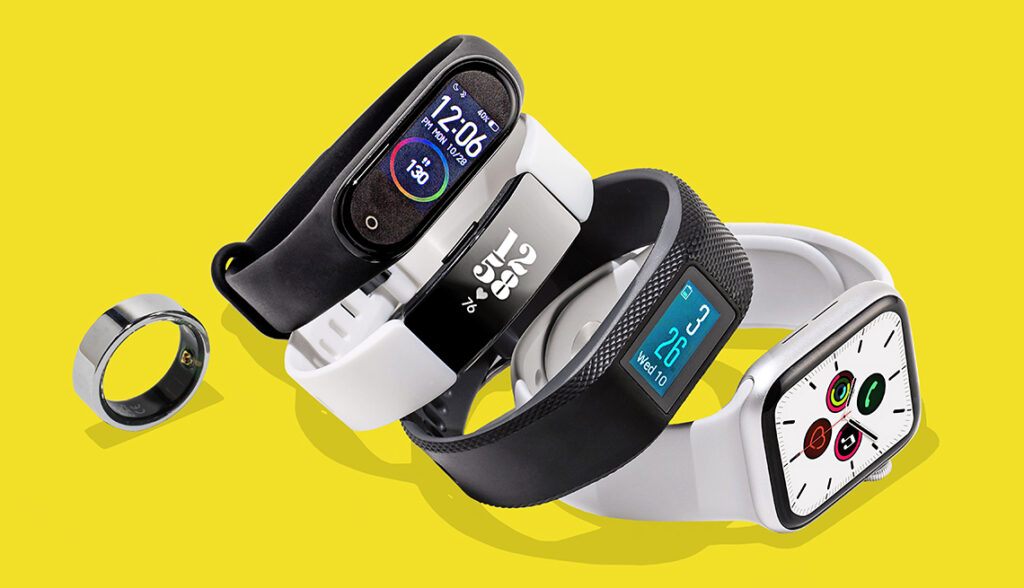
Fitness trackers support longevity by boosting physical activity (more steps, minutes), improving sleep, and providing early warnings for potential heart issues (AFib, high/low HR), leading to healthier habits, better body composition (less weight/fat), and reduced disease risk, though accuracy varies and requires medical follow-up for significant health changes. They create awareness, encourage goal-setting, and can motivate consistent healthy routines that extend “healthspan” and potentially lifespan.
Key Longevity Benefits
- Increased Physical Activity: Trackers motivate users to walk more, hit step goals, and meet recommended activity levels, reducing risks of chronic diseases.
- Heart Health Monitoring: Alerting users to irregular heartbeats (like Atrial Fibrillation) or unusual heart rates can prompt early medical consultation, preventing severe events like stroke.
- Improved Sleep Quality: Monitoring sleep patterns (duration, cycles) helps users understand and improve rest, crucial for overall health and recovery.
- Metabolic & Weight Management: Increased activity and awareness can lead to weight loss, reduced body fat, and better cholesterol/blood sugar control (when combined with data).
- Stress & Recovery Insights: Tracking Heart Rate Variability (HRV) shows stress levels and recovery, helping users manage training and rest better.
How They Work for Longevity
- Data & Awareness: They provide continuous, objective data (steps, HR, sleep) that builds self-awareness, making health metrics tangible.
- Motivation & Accountability: Gamification, reminders, and social sharing encourage consistent behavior changes that stick long-term.
- Early Warning System: They flag deviations from your personal baseline, prompting you to seek professional advice for potential problems before they become severe.
Important Considerations
- Medical Validation Needed: Device data isn’t a substitute for a doctor; use it as a tool for discussion with your healthcare provider.
- Sustained Use: Novelty can fade; long-term benefits require sustained use and setting evolving goals