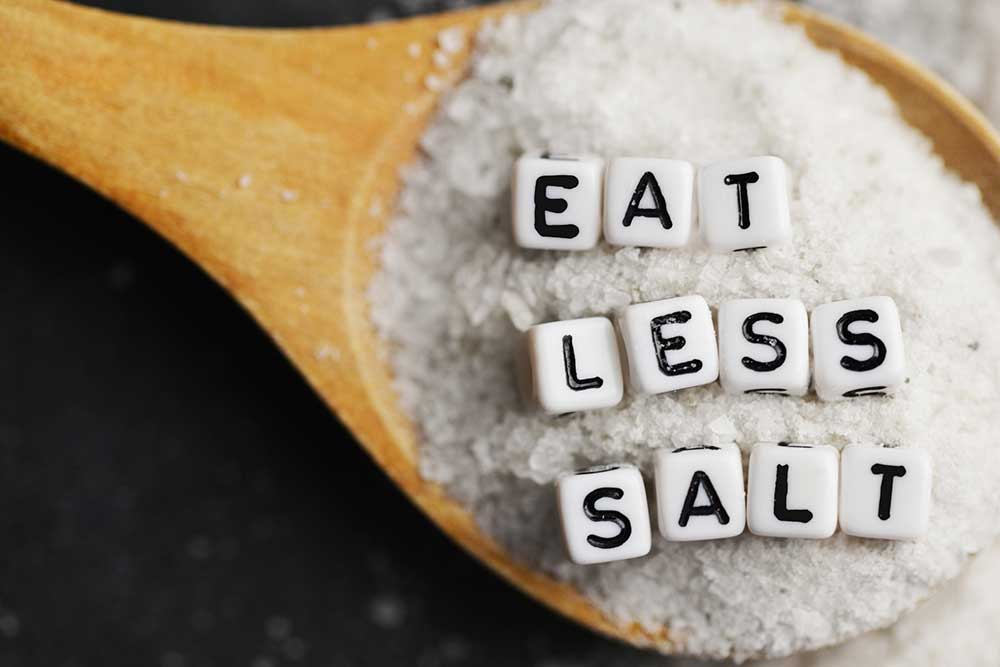
Reducing sodium intake improves longevity by lowering blood pressure, which reduces the strain on the heart and arteries, decreasing risks of stroke, cardiovascular disease, and chronic kidney disease. High salt acts like a sponge, increasing blood volume and stiffening arteries, which leads to damage.
Key Reasons Reducing Sodium Increases Longevity:
- Blood Pressure Management: Lowering sodium intake can reduce blood pressure by 5–6 points if you have hypertension, and helps prevent its development.
- Reduced Cardiovascular Risk: High salt consumption causes blood vessels to stiffen, limiting their ability to dilate, which damages the endothelial lining and increases the risk of stroke and heart attack.
- Kidney Health: High salt intake increases the risk of kidney disease and damage, and lowering it protects renal function.
- Reduced Mortality Rates: Studies estimate that reducing sodium intake could lead to a significant drop in annual cardiovascular deaths and increase life expectancy.
Reducing sodium intake is best achieved by cooking more meals at home using fresh ingredients, checking nutrition labels for low-sodium options (<5% DV), rinsing canned goods, and using herbs, spices, or citrus for flavor instead of salt. Processed, pre-packaged, and restaurant foods are primary sodium sources, so limiting them is key to a healthier diet.
Simple Ways to Reduce Sodium:
- Check Labels: Compare products and select those labeled “low sodium,” “reduced sodium,” or “no salt added”.
- Cook at Home: Prepare meals from scratch to control salt, rather than relying on frozen dinners or mixes.
- Boost Flavor Without Salt: Use herbs, spices, garlic, onion, ginger, lemon juice, or vinegar to enhance flavor.
- Rinse Canned Goods: Rinse canned beans, vegetables, and fish to remove excess sodium.
- Limit Condiments: Use fewer sauces (soy sauce, ketchup), dressings, and dips, which are high in hidden sodium.
- Choose Fresh Ingredients: Opt for fresh poultry, fish, and vegetables over cured, smoked, or canned versions.
- Order Smart: At restaurants, ask for food to be prepared without salt or request sauces/dressings on the side.
- Gradual Adjustment: Slowly reduce salt in recipes to allow your taste buds to adapt.
For more specific, actionable advice on reducing sodium, you can explore resources from the Centers for Disease Control and Prevention or the U.S. Food and Drug Administration.