Think Before You Peel! Why You Should Eat the Skin for Better Health and Longevity

applepeeling

Don’t toss that peeling! This is a simple habit anyone can add to their diet.

Eating apple and pear peelings is highly beneficial because the skin of the fruit is concentrated with vital nutrients, including fiber, vitamins, and a much higher level of antioxidants than the flesh, all of which contribute to better health and longevity by reducing the risk of chronic diseases. 

Key Health Benefits

  • Rich in Fiber: The peel contains the majority of the fruit’s fiber content, including both soluble (like pectin) and insoluble fiber. Fiber aids digestion, helps prevent constipation, promotes a feeling of fullness (which assists in weight management), and helps regulate blood sugar and cholesterol levels.
  • High in Antioxidants: Peels are packed with beneficial plant compounds (phytochemicals) like flavonoids, polyphenols, and anthocyanins (in red varieties) that act as powerful antioxidants. These compounds help neutralize free radicals, reduce oxidative stress and inflammation, and are associated with a lower risk of heart disease, certain cancers (liver, colon, and breast in lab studies), and neurodegenerative diseases like Alzheimer’s.
  • Essential Vitamins and Minerals: Unpeeled fruits have significantly higher concentrations of several vitamins and minerals compared to peeled ones.
    • Apples with skin have more Vitamin K, Vitamin A, Vitamin C, calcium, and potassium.
    • Pears with skin contain beneficial compounds like anthocyanins (in red peels) that support heart health, and lutein and zeaxanthin (in green peels) that promote good vision.
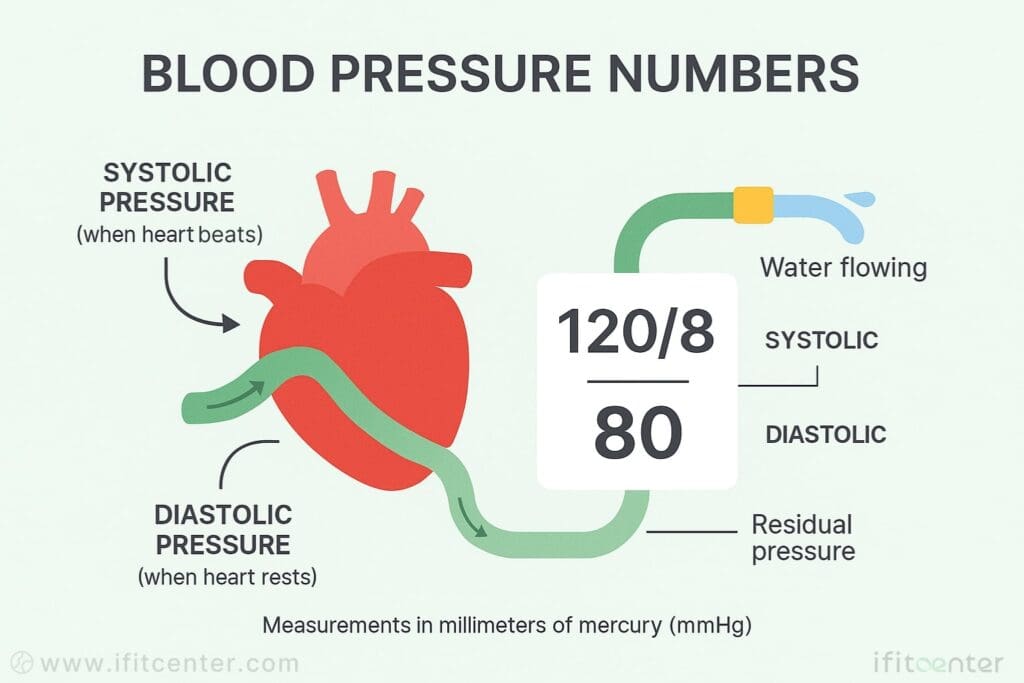
  • Cardiovascular Health: The flavonoids in the peels, particularly quercetin, help improve artery function and can lower blood pressure. The fiber content helps lower LDL (“bad”) cholesterol, further reducing the risk of cardiovascular disease.
  • Disease Prevention: Regular consumption of the whole fruit (including the peel) has been linked to a reduced risk of type 2 diabetes, stroke, and improved respiratory function. 

Important Note: Always wash fruits thoroughly under running water to remove dirt, germs, and pesticide residues before eating. Choosing organic produce can further reduce concerns about pesticide exposure. 

Sleep Better, Live Longer: The Power of Pre-Bedtime Movement

bedtime stretch

Stretching before bedtime promotes better sleep by reducing physical muscle tension, easing mental stress, and activating the parasympathetic nervous system. A short, gentle, 10-15 minute routine helps you fall asleep faster, improves circulation, reduces nighttime spasms, and helps you wake up feeling less stiff. 

Key advantages include:

  • Physical Relaxation: Releases tension in muscles, particularly the neck, shoulders, and lower back, reducing pain that can disrupt sleep.
  • Mental Calm: Serves as a mindfulness practice that shifts focus away from the day’s stress to the body, lowering cortisol levels.
  • Improved Sleep Quality: Helps transition the body into a restful state, allowing for deeper, less interrupted sleep.
  • Reduced Discomfort: Decreases the likelihood of being woken by muscle cramps or stiffness during the night.
  • Better Mobility: Regular, gentle, or static stretching increases flexibility over time. 

Tips for Success:

  • Keep it gentle: Focus on slow, relaxing movements, such as a Child’s Pose, to avoid overstimulating the body.
  • Hold stretches: Hold each stretch for 30–60 seconds, focusing on deep, slow breathing.
  • Avoid discomfort: The goal is relaxation, not pain. 

Bear Crawls: The Functional Movement Key to Aging Better

bear crawl

Practicing the bear crawl contributes to longevity by enhancing the functional fitness skills needed to maintain a high quality of life while aging, such as improved mobility, stability, balance, coordination, and total-body strength. This functional strength reduces injury risk and makes daily tasks more manageable. 

Key Longevity Benefits

  • Improved Mobility and Joint Health The bear crawl is a natural, low-impact movement that improves the range of motion and flexibility in key joints like the hips, shoulders, wrists, and ankles. Maintaining joint health is crucial for staying active throughout life.
  • Enhanced Core Strength and Spinal Stability This exercise is a dynamic plank variation that forces deep core muscles (abdominals, obliques, and back muscles) to work intensely to stabilize the spine and resist twisting. A strong, stable core is fundamental for good posture, balance, and preventing back pain as you age.
  • Reduced Injury Risk By building functional “armor” through improved stability and motor control, the bear crawl helps protect against unexpected injuries. The integrated strength and stability gained translate to better movement patterns in other activities, from lifting objects to walking.
  • Better Balance and Coordination The contralateral movement pattern (moving the opposite arm and leg simultaneously) challenges and enhances the brain’s ability to coordinate movement. This improved coordination and balance is a critical life skill that can decrease the risk of falls and injuries later in life.
  • Total-Body Functional Strength As a compound, bodyweight exercise, the bear crawl engages nearly every muscle group, including the shoulders, chest, back, glutes, quads, and hamstrings. This type of functional strength directly translates to real-life tasks, helping individuals maintain independence and strength for everyday activities.
  • Cognitive Benefits The mental focus required to maintain proper form and coordinate the movements also provides a psychological challenge, which can help sharpen cognitive skills and body awareness (proprioception).
  • Cardiovascular Health While a strength exercise, moving consistently during the bear crawl elevates the heart rate, providing a low-impact cardiovascular workout that contributes to overall heart health. 

Are You Eating Enough Soluble Fiber?

solublefiber

Soluble fiber promotes longevity by lowering bad cholesterol and blood sugar, reducing risks for heart disease and type 2 diabetes, and acting as a prebiotic to feed beneficial gut bacteria, which strengthens immunity and reduces inflammation, ultimately lowering risks for many chronic diseases and all-cause mortality. It helps manage weight by increasing fullness, supports a healthy gut microbiome by producing anti-inflammatory compounds (short-chain fatty acids), and is linked to lower rates of several cancers, all contributing to a longer, healthier life. 

Soluble fiber is crucial because it forms a gel in the gut, slowing digestion to help control blood sugar, lower “bad” LDL cholesterol, and promote fullness, while also feeding beneficial gut bacteria (prebiotic effect) for better immunity and creating short-chain fatty acids that support gut health and metabolism, reducing risks for heart disease, diabetes, and inflammation. It aids in both constipation and diarrhea by regulating bowel movements and is found in oats, beans, apples, and citrus. 

Key Benefits of Soluble Fiber

  • Blood Sugar Control: Slows sugar absorption, preventing spikes and helping manage or prevent Type 2 diabetes.
  • Heart Health: Binds to cholesterol and helps remove it from the body, lowering LDL (“bad”) cholesterol and reducing heart disease risk.
  • Gut Health: Acts as a prebiotic, feeding good gut bacteria, which produces beneficial short-chain fatty acids (SCFAs) that strengthen the gut lining and immune system.
  • Digestive Regulation: Helps manage both constipation (by adding bulk/softness) and diarrhea (by forming a gel).
  • Weight Management: Slows digestion, increasing satiety and helping you feel full longer. 

How To Increase Soluble Fiber

To start eating more soluble fiber, gradually add high-fiber foods like oats, beans, fruits (apples, berries), and vegetables (carrots, broccoli) to your meals, while increasing your water intake to help your body adjust and prevent gas. 

  • Breakfast: Have oatmeal topped with berries or chia seeds.
  • Lunch/Dinner: Add beans or lentils to soups, salads, or chili.
  • Snacks: Snack on an apple, carrots with hummus, or a handful of nuts.
  • Drinks: Choose whole fruit over juice and drink plenty of water.
  • Grains: Switch to whole grains like brown rice and whole-wheat bread. 

Cardiac Chill: The Dangerous Link Between Low Temps and Heart Attacks

coldweatherheart

Cold weather negatively impacts wellness and longevity by causing blood vessels to constrict, which raises blood pressure and increases risks of heart attack, stroke, and thrombosis. It elevates mortality rates through increased respiratory infections, arthritis pain, hypothermia, and mental health issues like SAD. Extreme cold also poses dangers to older adults through falls on ice and, ironically, can cause cardiovascular stress. 

Key Negative Impacts on Wellness and Longevity:

  • Cardiovascular Strain: Cold causes vasoconstriction (narrowing blood vessels) to keep the core warm, raising blood pressure and thickening the blood, leading to higher heart attack/stroke risk.
  • Respiratory and Immune Issues: Cold, dry air aggravates asthma, while colder temperatures and reduced sunlight can suppress the immune system and help viruses (like influenza) thrive.
  • Physical Injury and Mobility: Icy conditions lead to falls and fractures, particularly in older adults.
  • Mental Health Decline: Lower temperatures and reduced sunlight can cause or worsen Seasonal Affective Disorder (SAD) and depression.
  • Immune System Suppression: Research shows that cold air in the nose can decrease the immune response, making individuals more susceptible to viruses.
  • Reduced Physical Activity: Increased time indoors, often in poorly ventilated, crowded spaces, can lead to less activity and more frequent transmission of illness. 

While some studies suggest that cold exposure can improve metabolism or that mild, systemic reductions in body temperature might be linked to longer lifespan in animals, the acute risks of extreme, cold-weather exposure significantly increase mortality risk in humans, particularly regarding cardiovascular events.