To See How Well You’re Aging, Try Standing on One Leg

oneleg

Standing on one leg offers significant fitness and longevity benefits by improving balance, strength, and neurological health, and is a strong predictor of overall well-being as we age

Fitness Benefits

Regular practice of single-leg stands engages the body’s musculoskeletal and neurological systems, translating to improved daily function and physical performance. 

  • Improved Balance and Stability The primary benefit is enhanced stability, which is crucial for everyday movements like walking, climbing stairs, and stepping over obstacles. Training this skill helps the body’s systems (vision, inner ear, and sensory receptors) work together more efficiently.
  • Stronger Muscles and Core Balancing on one leg forces numerous muscle groups to engage for stability, including the core (abdominals and back muscles), glutes, hamstrings, quadriceps, and ankle stabilizers. This strengthens these muscles and helps correct strength imbalances between limbs.
  • Reduced Risk of Falls and Injuries Falls are a leading cause of injury for older adults. By improving balance and coordination, the single-leg stance exercise helps prevent falls and related injuries like fractures, which in turn helps maintain independence and mobility later in life.
  • Enhanced Joint Health This exercise places demands on joints in the ankles, knees, and hips, which can help maintain their flexibility and stability over time. Stronger supporting muscles act as “scaffolding” to protect the joints.
  • Better Posture Maintaining balance on one leg requires proper spinal alignment and core engagement, which promotes better posture and can help alleviate chronic lower back pain.
  • Cognitive Function The brain is actively involved in maintaining balance. Single-leg stands require concentration and stimulate the cerebellum, the part of the brain responsible for coordination and movement. This continuous feedback loop can enhance memory, attention, and neuroplasticity, potentially delaying cognitive decline. 

Longevity Benefits

Beyond immediate fitness gains, the ability to perform a single-leg stand is considered one of the best physical indicators of healthy aging and a predictor of longevity. 

  • Predictor of All-Cause Mortality A widely reported 2022 study in the British Journal of Sports Medicine found that individuals aged 51-75 who were unable to stand on one leg for at least 10 seconds had an 84% higher risk of death from any cause within a seven-year follow-up period, compared to those who could.
  • Indicator of Overall Health The ability to balance reflects how the body’s various systems (neuromuscular, cardiovascular, and sensory) are working in concert. Difficulty balancing can be an early sign of underlying health conditions such as brain or nervous system issues, including stroke, dementia, or Parkinson’s disease, highlighting its value as a simple screening tool.
  • Maintained Independence By reducing the risk of falls and improving mobility and strength, good balance helps individuals maintain their functional independence, a key factor in a high quality of life and healthy aging. 

How to Practice

The exercise requires no special equipment and can be easily incorporated into daily life. 

  • Start with Support Stand near a wall or a sturdy chair for support.
  • Lift One Leg Slowly lift one foot off the ground, keeping your arms at your sides, and try to hold the position for as long as comfortable.
  • Set a Goal Work towards holding the pose for 30 seconds on each leg.
  • Make it Routine Practice while brushing your teeth, waiting for the kettle to boil, or during TV commercial breaks. 

Consistency is key, as balance can

5 Longevity Scams to Watch Out For

718

Longevity scams prey on the universal desire to live longer and healthier lives. Common frauds range from miracle supplements to predatory membership models and expensive tests that lack clinical backing. Being aware of the following five common schemes can help you avoid them:

1. Unregulated “Miracle” Supplements

  • What it is: Pills, powders, or sprays (such as certain NAD+ boosters or unproven antioxidants) marketed as “anti-aging” breakthroughs. Many are sold online through “free trial” offers that quietly enroll you in expensive, recurring monthly subscriptions.
  • How to avoid: The FDA Health Fraud Product Database and the FTC Anti-Aging Products Advisory highlight that no over-the-counter supplement has been proven to reverse the aging process. Always review a company’s auto-ship policies and consult your doctor before starting any supplement.

2. Fake “Biological Age” Tests

  • What it is: Direct-to-consumer saliva or blood tests that claim to calculate your “biological age” compared to your calendar age.
  • How to avoid: According to experts, there is no universally accepted scientific method for measuring biological age. Avoid paying out-of-pocket for these tests. Instead, focus on established, evidence-based metrics like blood pressure, cholesterol levels, and blood sugar tracked by your primary care physician.

3. Predatory Longevity Clinics

  • What it is: Private clinics that offer “elite” anti-aging treatments—such as full-body MRI scans, stem cell therapies, or off-label prescriptions—without proven clinical value.
  • How to avoid: Be highly skeptical of any clinic offering expensive prevention protocols that your doctor does not recommend. Always verify that any medical facility is licensed and that the staff are board-certified.

4. Therapeutic Plasma Exchange (TPE)

  • What it is: A costly procedure that removes your plasma and replaces it with albumin and saline. It is occasionally marketed to “dilute inflammatory factors” and heavy metals accumulated with age.
  • How to avoid: Currently, TPE is an FDA-approved procedure for specific diseases (like autoimmune disorders), but it is not an approved anti-aging treatment. Do not undergo invasive, expensive, or experimental procedures for wellness purposes outside of a controlled clinical trial.

5. Hidden “Auto-Ship” Traps

  • What it is: Marketers that offer a “risk-free” or heavily discounted trial product for a minimal shipping fee. By submitting your payment, you inadvertently agree to hidden terms in the fine print that charge your credit card monthly.
  • How to avoid: Read the terms and conditions carefully before providing any payment information online. Check online forums and consumer watchdogs for reviews of the company. If a deal sounds too good to be true, it almost always is.

Beyond Barbells: Harnessing Sandbag Training for Lifelong Mobility and Strength

sandbag

Using sandbags in training is highly effective for improving long-term health, wellness, and functional longevity because they introduce unstable, dynamic resistance that mimics real-world, everyday tasks better than rigid free weights. Unlike dumbbells or barbells, sand shifts within the bag, forcing your muscles to constantly adapt and stabilize throughout a movement, which builds “real-world” strength, improves coordination, and strengthens joints. 

Let’s look at some of the reasons you might want to try sandbags:

1. Superior Core Stability and Injury Prevention 

  • Constant Core Engagement: The shifting nature of the sand means your core, including the obliques and lower back, must work overtime to stabilize your body during every lift, press, or carry.
  • Reduced Injury Risk: Because the load is constantly moving, it teaches your body how to brace and stabilize in less-than-ideal, awkward positions, reducing injury risk when lifting heavy or awkward household objects.
  • Spinal Support: The required bracing strengthens the torso, protecting the spine by enhancing stability during rotational and multi-planar movements. 

2. Real-World Functional Strength

  • Mimics Daily Life: Sandbag exercises like bear hug carries or shouldered squats mimic real-life tasks like lifting children, carrying groceries, or moving furniture.
  • Strengthens Grip: Sandbags are generally uncomfortable and hard to grasp, forcing your hands and forearms to develop superior, functional grip strength. 

3. Joint Health and Full-Body Conditioning 

  • Low Impact: Sandbag training provides an intense workout that is generally lower impact on joints compared to high-impact activities like running or jumping.
  • Full-Body Engagement: Because there is no “fixed groove” to lift in, almost every muscle group, including smaller stabilizer muscles, is engaged in a single movement.
  • Cardiovascular Fitness: High-rep circuits with sandbags significantly elevate the heart rate, providing an excellent, time-efficient cardio-strength combo. 

4. Long-Term Health and Adaptability

  • Builds Mental Grit: The difficulty of handling an awkward, unstable weight builds mental resilience and patience, pushing you out of your comfort zone.
  • Accessible for All Ages: Sandbags are highly customizable (by adjusting the sand amount) and can be used by beginners to elderly populations to reverse the effects of aging, such as muscle mass loss and reduced grip strength.
  • Versatility and Portability: They allow for a full-body workout anywhere (home, park, beach), promoting consistency in your training routine. 

5. Boosts Metabolism 

  • Superior Metabolic Stimulus: Studies have shown that sandbag training provides a superior metabolic, or calorie-burning, stimulus, even up to 30 minutes post-exercise compared to other forms of training. 

Recommended Core Exercises for Longevity

  • Sandbag Bear Hug Carry: Builds core stability and grip strength.
  • Sandbag Shouldering: Unilaterally targets the core, legs, and shoulders.
  • Sandbag Front Squat: Targets quads, glutes, and hamstrings while forcing an upright, strong posture.
  • Sandbag Rotational Lunges: Strengthens the transverse plane, which is often neglected in traditional workouts. 

Note: Due to the high-intensity, unstable nature of sandbags, it is recommended to start with a light weight to focus on form and prevent injury. 

How to Maintain Your Immune System When Traveling

717

Maintaining your immunity level while traveling requires a proactive approach to combat the unique physical stress, disrupted sleep schedules, and unfamiliar germs you encounter on the road.

Some of the most effective habits to keep your immune system strong while traveling involve optimizing rest, hydration, diet, stress management, and hygiene.

Prioritize Aggressive Hydration

Airplane cabins have notoriously dry air that can quickly dehydrate your body and dry out the mucous membranes in your nose and throat. These moist membranes act as your body’s frontline physical defense, trapping viruses and bacteria before they enter your system. Dehydration also impairs blood flow, which reduces the efficiency of your circulatory system in transporting essential infection-fighting white blood cells throughout the body.

  • Action Plan: Bring an empty, reusable water bottle through airport security and fill it up before boarding. Aim to drink water consistently throughout your journey, and significantly limit alcohol and caffeine intake, as both cause further dehydration and disrupt gut health.

Protect Your Sleep Schedule

Changing time zones, catching early flights, and sleeping in unfamiliar hotel beds can disrupt your internal circadian rhythm and cause severe travel fatigue. When you are sleep-deprived, your body produces fewer cytokines—critical proteins that target infection and inflammation—while simultaneously weakening your white blood cell response.

  • Action Plan: Prioritize 7 to 8 hours of quality sleep each night leading up to and during your trip. Use simple sleep aids like an eye mask and earplugs to block out disruptions on planes or in hotels, and try to get natural sunlight first thing in the morning at your destination to reset your internal biological clock.

Eat a Nutrient-Dense Diet

It is easy to rely on heavily processed fast food or sugary snacks while rushing through terminals, but a poor diet leaves your cells starving for the micronutrients they need to function. Certain nutrients are absolutely vital for maintaining a highly responsive immune system: Vitamin C (found in citrus fruits and berries) supports white blood cell function; Zinc (found in nuts and seeds) modulates immune cells; and Antioxidants protect your healthy cells from damage.

  • Action Plan: Fill your travel bag with immune-supporting snacks like almonds, pumpkin seeds, or whole-food protein bars. When dining out, deliberately look for colorful meals that feature leafy greens, fresh fruits, and lean proteins rather than relying solely on heavy comfort foods.

Actively Manage Travel Stress

Whether it is navigating a confusing airport, dealing with a flight delay, or rushing to stick to a tight itinerary, travel inherently introduces mental and physical anxiety. When your body experiences chronic or elevated stress, it releases a surge of the hormone cortisol. While short bursts of cortisol are fine, sustained high levels directly suppress and push down your immune system’s ability to effectively fight off viruses and pathogens.

  • Action Plan: Pace your itinerary so you are not constantly rushing, and incorporate brief, 5-minute deep breathing exercises or gentle stretches into your travel days. Remember to move your body through light physical activity—like a brisk walk around the terminal or destination—which naturally lowers cortisol and mobilizes your immune cells.

Practice High-Yield Hygiene

Your immune system cannot get overwhelmed by germs if you prevent those germs from entering your body in the first place. Public transit, gas stations, airplanes, and checkout counters are filled with high-touch communal surfaces where contagious viruses and bacteria thrive. If you touch a contaminated surface and immediately touch your eyes, nose, or mouth, you introduce pathogens directly into your system.

  • Action Plan: Wash your hands thoroughly with soap and warm water for at least 20 seconds before eating and after using public restrooms. Pack a travel-sized hand sanitizer (containing at least 60% alcohol) and disinfectant wipes to quickly clean your hands, tray tables, and phone screen when soap is unavailable.

Longevity Benefits of Circuit Training

715

Circuit training builds cardiovascular fitness and muscular strength simultaneously by eliminating rest periods between varied, high-intensity exercises. This efficient training modality triggers concurrent adaptations in both the aerobic energy system and skeletal muscle tissue. From a longevity perspective, it targets the two most critical physical predictors of a long, healthy life: high cardiovascular output (VO2 max) and functional muscle mass (combating sarcopenia).

How Concurrent Adaptations Happen

  • Elevated Heart Rate: Moving immediately from one exercise to the next keeps the heart rate within an aerobic or anaerobic training zone, simulating continuous cardio.
  • Peripheral Heart Action: Alternating between upper-body and lower-body exercises forces the heart to rapidly pump blood across the entire body, increasing stroke volume and vascular elasticity.
  • Mechanical Tension: Utilizing resistance (weights, bands, or bodyweight) during the intervals recruits high-threshold motor units, stimulating muscle protein synthesis.
  • Metabolic Stress: Short rest periods cause a buildup of metabolites (like lactate) in the muscles, which triggers hormonal responses necessary for tissue growth and repair.

The Longevity Benefits of Circuit Training               

1. Maximizes VO2 Max (The Ultimate Longevity Metric)

Cardiorespiratory fitness, measured by VO2 max, is one of the strongest statistical predictors of a long life. High-intensity circuit formats expand mitochondrial density and improve capillary network efficiency. This drastically reduces the risk of cardiovascular disease, metabolic syndrome, and all-cause mortality.

2. Combats Age-Related Sarcopenia

Humans naturally lose muscle mass and strength as they age, a process called sarcopenia. Circuit training applies the necessary mechanical load to preserve fast-twitch muscle fibers. These fibers are the first to atrophy with age but are crucial for preventing falls and maintaining mobility.

3. Enhances Bone Mineral Density

The resistance and weight-bearing components of a circuit place physical stress on the skeletal system. This stress stimulates osteoblasts to lay down new bone tissue. Over time, this builds stronger bones and significantly lowers the risk of osteoporosis and age-related fractures.

4. Improves Metabolic Flexibility and Insulin Sensitivity

By depleting glycogen stores in both upper and lower body muscles simultaneously, circuit training highly sensitizes cells to insulin. Improved blood glucose management lowers chronic systemic inflammation, which is a primary driver of age-related cellular damage (“inflammaging”).

Sample Longevity-Focused Circuit

A suggested routine would be to perform each exercise for 40 seconds, rest for 20 seconds to transition, and repeat the entire loop 3 to 4 times. Always consult a qualified medical professional before beginning any new, high-intensity exercise regimen—especially if you have pre-existing cardiovascular conditions, joint issues, or are returning to physical activity after a long break.

Station 1 (Lower Body Strength): Goblet Squats or Kettlebell Deadlifts.

  • Station 2 (Cardio/Power): Kettlebell Swings or Medicine Ball Slams.
  • Station 3 (Upper Body Push): Push-ups or Dumbbell Overhead Presses.
  • Station 4 (Cardio/Agility): Rowing Machine, Jump Rope, or High Knees.
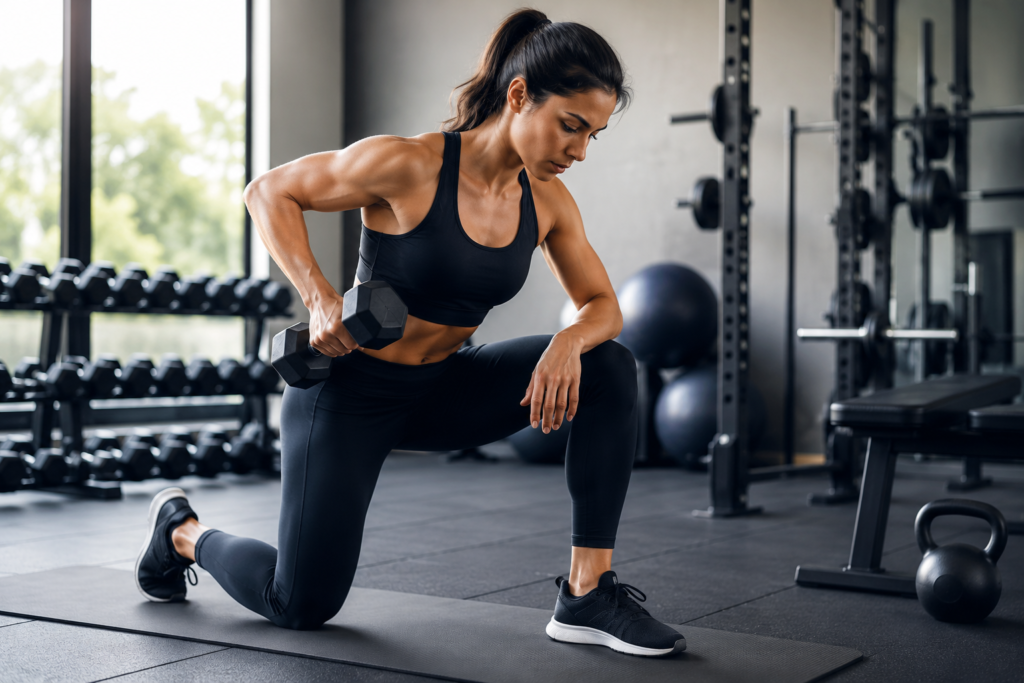
  • Station 5 (Upper Body Pull): Inverted Rows or Dumbbell Three-Point Rows.
  • Station 6 (Core/Stability): Farmer’s Carries or Forearm Planks.