Creative Expression Protects Against Neurodegeneration

611

Your brain possesses an extraordinary ability to rewrite its own future, and the ultimate tool for this transformation might already be in your hands. Engaging in arts and crafts is not just a leisure activity; it is a profound act of neuroprotective defiance. Arts and crafts act as a powerful buffer against neurodegeneration by building cognitive reserve and preserving brain tissue. Engaging in these activities modifies how the brain ages on a structural level.

Every brushstroke, knitted row, or sculpted form acts as a biological shield, physically reshaping your neural architecture to resist aging. By stepping into the creative flow, you are actively building a dense, resilient network of brain connections that safeguards your memory, sharpens your mind, and protects your cognitive independence for decades to come.

Cognitive Reserve and Plasticity

  • Builds Cognitive Reserve: Creative tasks create a denser network of brain connections. This “backup system” allows the brain to function normally even if some neurons are damaged.
  • Stimulates Neuroplasticity: Learning new crafting techniques forces the brain to rewire itself. It creates new synapses and pathways across different brain regions.
  • Protects Gray Matter: Studies show that regular artistic engagement preserves gray matter volume in crucial regions like the hippocampus.

Dual-Hemisphere Activation

  • Requires Bilateral Integration: Arts and crafts demand simultaneous communication between the left and right hemispheres of the brain.
  • Blends Logic and Creativity: The left brain handles structural planning, measurements, and patterns. The right brain processes colors, spatial awareness, and expression.
  • Strengthens White Matter: This continuous cross-talk reinforces the structural integrity of white matter tracts, which typically degrade with age.

Fine Motor and Spatial Protection

  • Preserves Motor Cortex: Complex hand-eye coordination exercises the primary motor cortex and cerebellum. This delays the age-related loss of fine motor control.
  • Engages Parietal Lobes: Sculpting, weaving, and woodworking require intense visuospatial processing. This keeps the parietal lobes active and resilient against atrophy.

Stress Reduction and Neuroinflammation

  • Lowers Cortisol Levels: Crafting induces a psychological state of “flow” similar to meditation. This drop in cortisol protects the brain from stress-induced shrinkage.
  • Fights Neuroinflammation: Chronic stress triggers microglial activation, causing brain inflammation. The calming effect of art suppresses these destructive inflammatory pathways.

The Benefits of Rooibos Tea

rootea

Rooibos tea offers several potential advantages for health and longevity, primarily due to its high concentration of antioxidants and being naturally caffeine-free and low in tannins. These properties may support heart health, manage blood sugar, and contribute to anti-aging effects. 

Key Health Benefits

  • Rich in Antioxidants: Rooibos is packed with polyphenols, including aspalathin (found almost exclusively in rooibos) and quercetin, which help neutralize harmful free radicals in the body. This reduces oxidative stress, which is linked to chronic diseases and aging.
  • Supports Heart Health: Regular consumption may benefit cardiovascular health by helping to lower blood pressure and “bad” (LDL) cholesterol while increasing “good” (HDL) cholesterol. Its anti-inflammatory properties can improve circulation and arterial health.
  • Aids in Blood Sugar Management: The antioxidant aspalathin in rooibos may help regulate blood sugar levels and improve insulin sensitivity, potentially reducing the risk of type 2 diabetes and its complications.
  • Promotes Better Sleep: As a naturally caffeine-free beverage, rooibos can be enjoyed at any time of day or night without disrupting sleep patterns. Its calming effect can help reduce stress and anxiety, promoting relaxation.
  • Enhances Digestion: Rooibos has natural antispasmodic properties that can help ease stomach cramps, bloating, and other digestive discomforts, potentially soothing symptoms of conditions like IBS and acid reflux.
  • Supports Bone Health: The tea contains essential minerals such as calcium, manganese, and fluoride, which are important for maintaining strong, healthy bones and may help reduce the risk of osteoporosis.
  • Benefits Skin Health: Rooibos contains alpha hydroxy acid and zinc, which are common ingredients in skincare products. When consumed or applied topically, its antioxidants may help reduce the appearance of wrinkles, acne, and other skin irritations.
  • Assists in Weight Management: As a low-calorie beverage, rooibos can aid in weight management by helping to curb appetite and potentially boosting metabolism and fat oxidation. 

Considerations

While generally considered safe for most people in moderate amounts, cases of liver enzyme elevation have been reported with long-term, high-volume consumption. Rooibos may also exhibit estrogenic activity, so individuals with hormone-sensitive conditions or those on certain medications (e.g., some chemotherapy drugs, blood pressure medications, or statins) should consult a healthcare provider before use. 

Why Adding Fish to Plant-Based Eating Lengthens Life

69

Science shows that what you eat directly impacts how long you live. While plant-based diets are universally praised for boosting health, a strict vegan lifestyle may not be the ultimate longevity cure. Large epidemiological and clinical studies reveal that a plant-based diet including fish once or twice a week yields better survival outcomes than a 100% vegan diet.

The Pesco-Vegetarian Advantage

Long-term comparative mortality data highlights a stark difference between these two dietary paths. Research from Loma Linda University on Seventh-day Adventists shows that pesco-vegetarians experience an 18% reduced risk of all-cause mortality compared to non-vegetarians. In contrast, strict vegans show less than a 3% reduction in mortality risk.

This statistical advantage is mirrored in the real world. Many of the world’s longest-living populations, residing in regions known as “Blue Zones,” incorporate regular but moderate fish consumption into their predominantly plant-based diets.

The Power of Omega-3s and Heart Health

The primary longevity driver in fish is its dense concentration of omega-3 fatty acids. Fatty fish like wild salmon provide high amounts of eicosapentaenoic acid (EPA) and docosahexaenoic acid (DHA). According to the Harvard T.H. Chan School of Public Health, eating just one or two servings of fatty fish a week lowers the risk of dying from heart disease by more than one-third. These fatty acids are critical for cardiovascular health, lowering inflammation, and maintaining cognitive function as you age.

Solving the Nutrient Deficit

While both diets feature plant proteins that lower cholesterol and reduce cardiovascular risk, strict vegan diets require meticulous planning to avoid dangerous deficiencies. Vegans frequently lack adequate Vitamin B12, iron, and zinc.

Fish solves this problem by providing natural, highly bioavailable forms of these micronutrients. This easy absorption directly supports lifespan extension, particularly in older adults whose bodies absorb nutrients less efficiently. Ultimately, scientific consensus does not support a 100% vegan diet for maximum lifespan; instead, the data favors a plant-heavy foundation supplemented with life-extending fatty fish.

Food Sequencing Matters

68

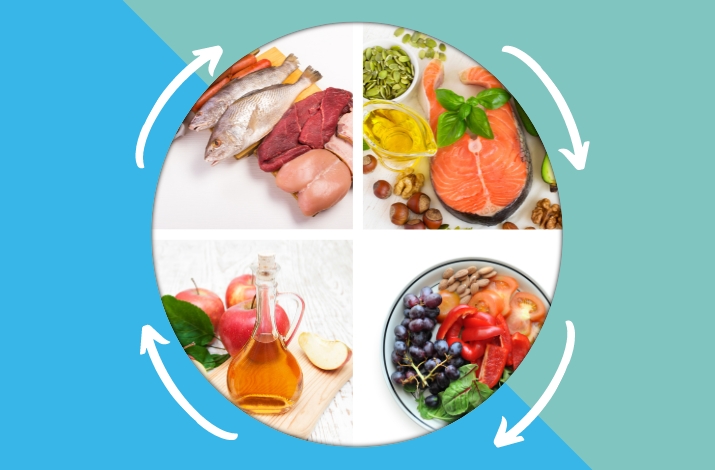
Changing the order in which you eat the food on your plate can reduce your post-meal glucose spike by up to 73%. By simply eating fibrous vegetables first, proteins and fats second, and carbohydrates last, you can prevent sharp insulin spikes and avoid afternoon energy crashes without changing your diet. This simple sequence promotes long-term metabolic stability and healthy aging.

The Science of Meal Sequencing

What if the secret to all-day energy and metabolic health isn’t what you eat, but how you eat it? A growing body of metabolic research has popularized the concept of “food sequencing”. According to clinical studies, shifting the order of your food consumption yields a massive reduction in post-meal blood sugar levels, which is vital for preventing the long-term risk of type 2 diabetes and aging-accelerating insulin resistance. 

The Ideal Order: FFPC

To flatten your glucose curve, follow this sequence: 

  1. Fiber First: Begin your meal with non-starchy, fiber-rich vegetables like broccoli, leafy greens, peppers, or a small starter salad.
  2. Proteins and Fats Second: Next, consume your proteins and healthy fats, such as salmon, chicken, tofu, avocado, or nuts.
  3. Starches and Complex Carbohydrates Last: Save your simple carbohydrates—breads, potatoes, pasta, and even sweet treats or desserts—for the end of the meal. 

The Mechanism: How It Works

The secret to this strategy lies in how the digestive system breaks down and absorbs food. When you eat carbohydrates first, they are rapidly broken down and absorbed as glucose, resulting in sharp, inflammatory insulin spikes. 

However, when you front-load your meal with fiber, it coats the walls of your small intestine, creating a protective, viscous mesh. This barrier causes any subsequent starches and sugars you eat to absorb into your bloodstream much more slowly. Additionally, eating proteins and fats before carbohydrates slows down gastric emptying—the rate at which food passes from the stomach into the intestine—further dampening the glucose response. 

Benefits Beyond Blood Sugar

By keeping your blood sugar curve gentle rather than jagged, you avoid the post-lunch “food coma,” regulate the hunger hormone ghrelin, and reduce sugar cravings.

Cellular Hydration and Jet Lag Immunity Ideas for Long Flights

66

Bringing your own healthy snacks on long flights ensures you maintain optimal cellular hydration, stable blood sugar, and a strong immune system, which commercial airplane food often compromises.

Packing your own healthy food is also a highly effective way to prevent swollen ankles and calves on a long flight because it allows you to bypass salty, processed airport food. Excessive sodium intake leads to water retention, so choosing low-sodium whole foods like unsalted nuts, fresh fruit, and vegetables helps maintain healthy circulation.

Why Pack Your Own Snacks

  • Nutrient Density: Airline food is historically high in sodium to compensate for dulled taste buds at high altitudes, which worsens fluid retention and jet lag.
  • Premium Protein: Packing your own wild-caught canned sardines or salmon (with pull-tabs) provides clean, bioavailable protein that keeps you full without causing metabolic crashes.
  • Hassle-Free Security: Unlike fresh meat or seafood, canned seafood or vacuum-sealed protein pouches easily pass through TSA without requiring ice packs.

Health, Wellness, and Longevity Packing List

Long flights expose your body to lower oxygen levels, high radiation, circadian rhythm disruptions, and extreme dehydration. Consider these foods to counter those specific physiological stressors:

1. Cellular Hydration & Circulation Boosters

  • Cucumbers and Celery: These veggies offer structured water to hydrate cells deeper than plain water alone.
  • Raw Walnuts: High in omega-3 fatty acids, they reduce systemic inflammation and support blood flow during hours of sitting.

2. Gut Microbiome Protectors

  • Fermented Foods: Pack single-serve packets of olives or ambient-stable, low-sodium miso soup paste to mix with hot water mid-flight.
  • High-Fiber Seeds: Chia seeds or flaxseeds mixed into a reusable water bottle keep digestion moving in a pressurized cabin.

3. Metabolic & Mitochondrial Support

  • Nuts: High-performance nuts for longevity, such as macadamia, walnuts, almonds, and pistachios, provide essential nutrients like monounsaturated fats, ALA omega-3s, Vitamin E, and antioxidants to support metabolic, mitochondrial, and brain health during flights. Incorporating dark chocolate can further combat oxidative stress, while these options help maintain energy and combat the physical demands of high-altitude travel.
  • Dark Chocolate (85%+): Supplies magnesium and polyphenols to fight the oxidative stress caused by high-altitude travel.