The Longevity Jab: Flu Shots Support a Longer Life

flu

Flu vaccination contributes to wellness and longevity by reducing the immediate burden of illness and preventing long-term systemic damage, particularly to the heart and brain. In 2026, healthcare professionals continue to emphasize that the vaccine is a critical pillar of preventive care. 

Wellness: Immediate Health Benefits

  • Reduced Illness Severity: Even if you contract the flu after being vaccinated, the shot significantly reduces the risk of severe symptoms, intensive care (ICU) admission, and the overall duration of the illness.
  • Protection for Chronic Conditions: For those with asthma, diabetes, or lung disease, the vaccine prevents the flu from triggering life-threatening flare-ups or secondary infections like bacterial pneumonia.
  • Mental & Physical Vitality: By avoiding “bed-ridden” weeks of fatigue and fever, individuals maintain their regular activity levels, work productivity, and social engagement. 

Longevity: Long-term Survival & Protection

  • Cardiovascular Health: One of the most significant longevity benefits is the reduction of major cardiac events. The flu causes widespread inflammation that can destabilize arterial plaques; vaccination lowers the risk of heart attack and stroke by maintaining cardiovascular stability.
  • Cognitive Preservation: Recent research suggests that regular flu vaccination is linked to a 40% lower risk of developing Alzheimer’s disease over a four-year period. It may help the immune system clear harmful brain proteins like amyloid and tau.
  • Lower Mortality in Older Adults: For those aged 65 and older, getting the flu shot can reduce the risk of death from any cause by as much as 34% to 48% during flu season.
  • Prevention of Permanent Disability: Severe flu cases can lead to long-term complications or disability; by preventing these critical episodes, the vaccine helps preserve overall functional health into older age. 

Fitness: Preserving Training Consistency

  • For active individuals, the primary benefit is preventing the “sideline effect.”
  • Reduced Severity: Even if you contract the flu, being vaccinated reduces the severity and duration of the illness. This prevents major setbacks in your training cycles and helps you return to peak performance faster.
  • Preventing Functional Decline: For older athletes, a severe bout of flu can lead to permanent physical decline or frailty, impacting long-term independence and activity levels. 
  • Cumulative Immunity: Individuals who receive a flu shot every year may develop broader “cumulative immunity,” helping their bodies better handle new strains even when the current year’s vaccine isn’t a perfect match.

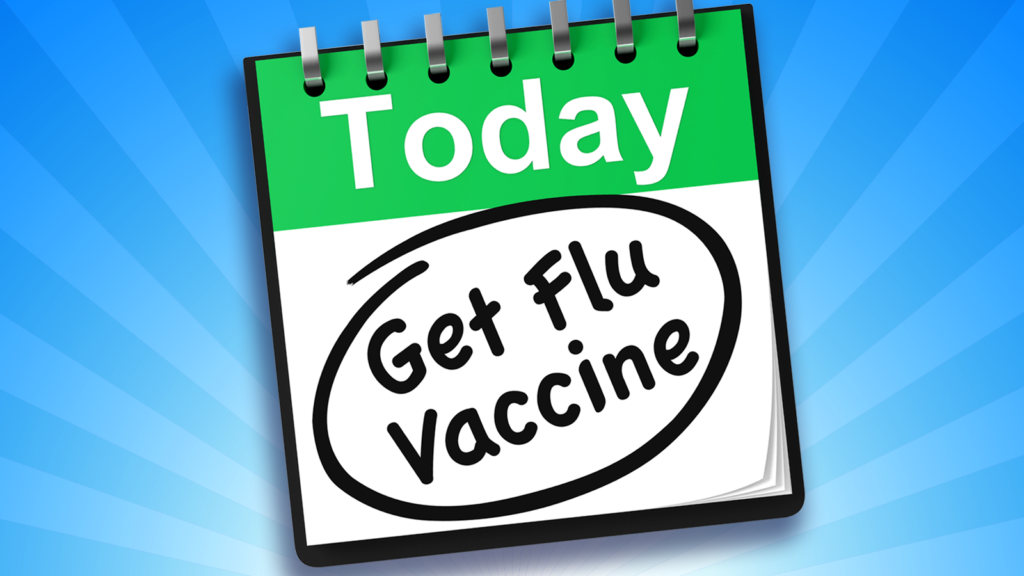
To maximize these benefits, it is recommended to get vaccinated annually, typically by the end of October. You can use the CDC Flu Vaccine Finder to locate a clinic or pharmacy near you.
Why Vitamin D Needs Increase with Age

vitd

Vitamin D is strongly linked to longevity due to its role in key biological processes related to aging and disease prevention. At a cellular level, adequate vitamin D levels are associated with preserving the length of telomeres, the protective caps at the ends of chromosomes that naturally shorten as cells divide and age. By potentially slowing this shortening, vitamin D may help protect DNA integrity and reduce the risk of age-related diseases like cancer and cardiovascular conditions. Vitamin D also exhibits significant anti-inflammatory and antioxidant effects, which help to mitigate “inflammaging” (chronic low-grade inflammation) and oxidative stress, major drivers of cellular damage and age-related decline

We need more vitamin D as we age because our skin becomes less efficient at producing it from sunlight, and older adults often spend more time indoors, increasing deficiency risk, while simultaneously needing it more for stronger bones (to prevent osteoporosis/fractures), better muscle strength (to prevent falls), and a healthy immune system. Vitamin D helps absorb calcium, vital for bone health, and its decline with age, coupled with reduced sun exposure, creates a greater need for supplementation or fortified foods. 

  1. Reduced Skin Synthesis: The skin’s ability to produce vitamin D from sunlight decreases significantly with age, meaning older adults make less vitamin D even with the same sun exposure as younger people.
  2. Less Sun Exposure: Many seniors spend more time indoors due to mobility issues, health concerns, or living situations, limiting natural production.
  3. Impaired Absorption/Conversion: Kidney and liver diseases, common in older age, can hinder the body’s ability to convert vitamin D into its active form. 

Key Benefits for Older Adults

  • Bone Health: Prevents osteoporosis (brittle bones) and osteomalacia (soft bones) by helping absorb calcium, reducing fracture risk.
  • Muscle Strength: Supports muscle function, which is crucial for balance and reducing falls.
  • Immune Support: Keeps the immune system strong to fight infections.
  • Other Roles: Supports nerve function, may help with blood sugar regulation (diabetes), and has anti-inflammatory effects. 

How to Get More Vitamin D

  • Sunlight: Brief, regular, unprotected sun exposure (when safe).
  • Food: Fatty fish, tofu, and and various fortified plant-based products.
  • Supplements: Often necessary to meet needs, especially for deficient individuals.

Stick to It in 2026: Using Post-it Notes to Achieve Your Fitness Goals

drinkwater

Happy New Year!

Each new year brings new goals, and in 2026 you should try using sticky notes to work toward your goals. Sticky notes help with longevity and wellness goals because they provide constant reminders, help break down big goals into small steps, track progress, and keep intentions front-and-center, boost motivation through simple, daily reinforcement. 

How sticky notes support wellness goals:

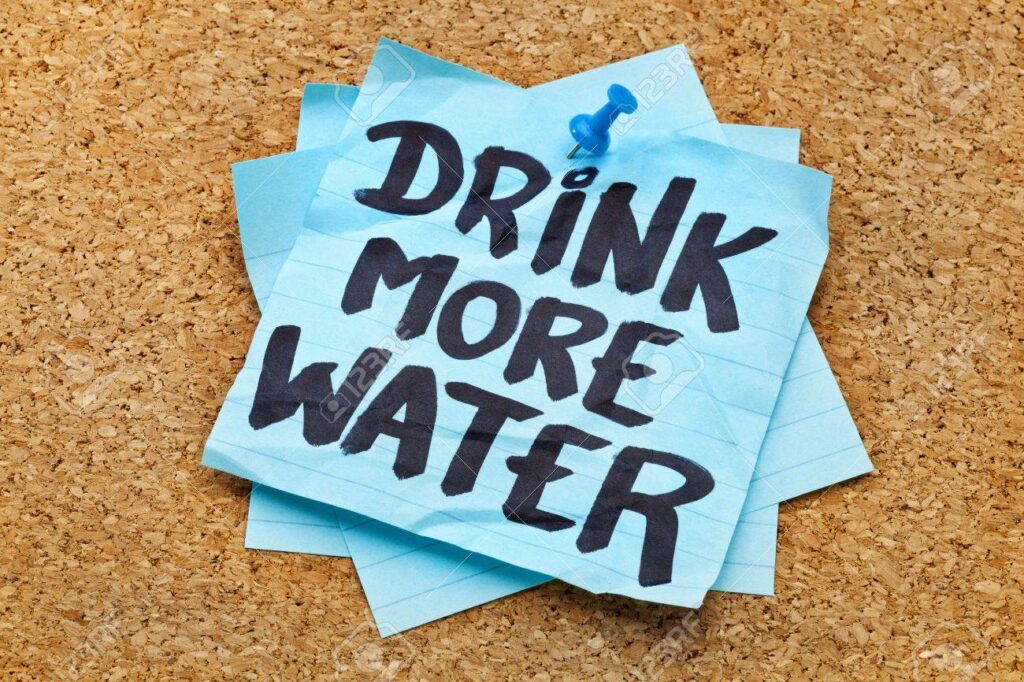
  • Visual Reminders: Place notes with affirmations (e.g., “I choose happiness”) or daily tasks (e.g., “Drink water”) on mirrors, computers, or refrigerators where you’ll see them often.
  • Habit Tracking: Create checkboxes for daily habits on a note and move it to a “done” section as you build consistency, making progress visible.
  • Goal Breakdown: Write large goals (e.g., “Run a 5K”) on one note and smaller, actionable steps (e.g., “Walk 1 mile today”) on separate notes, sticking them to a board.
  • Focus & Prioritization: Use the “One Thing Focus” method by writing only your most important task on a single note and placing it at eye level to reduce multitasking and distraction.
  • Brainstorming & Planning: Use them for quick idea capture, planning healthy meals, or mapping out small, healthy changes to incorporate.
  • “Yes/No” Goals: Write down what you’ll say “yes” to (e.g., daily walks) and what you’ll say “no” to (e.g., excessive screen time) to create balance. 
  • Mindfulness & Stress Reduction: Write affirmations like “I am calm” or “I choose healthy foods” and place them on mirrors or in your workspace to shift negative thought patterns and promote self-compassion.

Getting started:

  1. Brainstorm: Write down your wellness goals and daily actions on separate notes.
  2. Place Strategically: Put them in high-traffic areas like your desk, bathroom, or kitchen.
  3. Track Visually: Move notes from “To Do” to “Done” or use them to build a progress board.
  4. Keep it Simple: Focus on one or two key actions at a time to build momentum. 

Sticky notes boost longevity and wellness by acting as visual cues for healthy habits and they serve as powerful external memory aids, keeping important intentions visible and reducing the cognitive load of trying to remember everything, thereby supporting long-term behavior change. 

They can help you create a supportive environment in 2026 that nudges you towards healthier choices and better focus, supporting both immediate well-being and long-term life goals.