Lifespan vs. Healthspan

hspan

We often see the terms lifespan and healthspan in medical news and it is important to note that they are not the same thing. Lifespan is the total number of years a person lives, while healthspan is the period of life spent in good health, free from chronic disease and functional decline. Essentially, lifespan measures quantity of life, whereas healthspan measures quality of life, focusing on staying active, independent, and disease-free for as long as possible. 

Key Differences Between Lifespan and Healthspan

  • Definition: Lifespan is the total time from birth to death. Healthspan is the duration of life spent in optimal health.
  • Focus: Lifespan is about longevity (how long you live). Healthspan is about vitality (how well you live).
  • The “Gap”: There is often a significant gap between the two; globally, people live an average of 73 years (lifespan) but only 64 years in good health (healthspan), leaving about 9 years of living with chronic illness or disability, as stated in a study published in JAMA.
  • Goal: The ultimate goal of modern medicine is to close this gap by extending the healthspan to match the lifespan, rather than just extending life in a state of poor health. 

Factors Influencing Healthspan
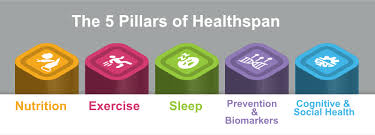
While genetics play a role in lifespan, healthspan is heavily influenced by lifestyle choices, including diet, regular exercise, stress management, sleep, and avoiding smoking. Improving these areas can significantly extend the years of high-quality life, even if total lifespan remains the same. 

Increasing your healthspan—the number of years you live in good health, free from chronic disease and disability—is primarily achieved through consistent, proactive lifestyle choices. Research suggests that adopting healthy habits even in your 40s, 50s, or 60s can add over a decade of healthy life. 

Here are the most successful, evidence-based tips for increasing your healthspan, ranked by impact:

1. Optimize Physical Activity and Exercise 

  • Prioritize Resistance Training: To combat sarcopenia (age-related muscle loss), perform strength training at least twice a week. This maintains strength, balance, and bone density, crucial for independence.
  • Aerobic Exercise: Aim for at least 150 minutes of moderate-intensity aerobic activity (e.g., brisk walking, swimming) or 75 minutes of vigorous activity per week.
  • Break Up Sedentary Time: Regular movement throughout the day is as important as a daily workout. Even short, 1-2 minute bursts of activity can lower risk of mortality. 

2. Eat for Longevity 

  • Adopt a Plant-Forward Diet: Focus on a diet rich in fruits, vegetables, legumes, whole grains, nuts, and healthy fats (like the Mediterranean diet) to reduce chronic disease risk.
  • Increase Protein Intake: As you age, increase protein consumption to maintain muscle mass.
  • Practice Caloric Management: Avoid overeating; some studies suggest that maintaining a healthy weight and even, at times, slight caloric restriction (without malnutrition) supports metabolic health. 

3. Protect Sleep and Reduce Stress 

  • Prioritize Quality Sleep: Aim for 7 to 9 hours of quality sleep nightly to allow for cellular repair and cognitive maintenance.
  • Manage Chronic Stress: Chronic stress accelerates aging. Utilize techniques like mindfulness, yoga, meditation, or breathing exercises to lower cortisol and reduce inflammation. 

4. Eliminate Toxic Habits

  • Quit Smoking: Abstaining from tobacco is one of the most significant factors in extending healthspan, significantly reducing cancer and cardiovascular risk.
  • Limit Alcohol: Avoid binge drinking and limit alcohol consumption to moderate levels or less, as excessive alcohol is a major driver of health decline. 

5. Cultivate Social and Cognitive Health 

  • Build Strong Relationships: Social isolation is a significant risk factor for dementia and mortality. Nurturing relationships with family, friends, or community improves mental and physical health.
  • Maintain a Sense of Purpose: Engaging in meaningful, intrinsically motivating activities keeps the mind sharp and provides motivation to maintain health.
  • Stimulate the Brain: Continuously learn new skills, read, or play complex games to maintain cognitive function. 

6. Proactive Healthcare

  • Build a Relationship with a Doctor: Regular checkups and screenings (e.g., blood pressure, blood sugar, cholesterol) allow for early detection and prevention of chronic diseases. 

Sleep, Longevity and Better Health

sleep

Sleep is a fundamental, active process for repairing, restoring, and regenerating the body, making it a critical, non-negotiable factor for disease prevention and increased longevity. Consistent, high-quality sleep—typically 7–9 hours for adults—protects against chronic conditions like heart disease, diabetes, and Alzheimer’s, while also slowing down biological aging. 

Here is an explanation of how sleep facilitates disease prevention and promotes longevity:

1. Cellular Repair and Immune System Strengthening 

  • Immune System “Housekeeping”: During deep sleep, the immune system produces cytokines, proteins that help fight infection, inflammation, and stress. A 70% reduction in natural killer cell activity occurs after only one night of four-hour sleep, weakening defenses against viruses and cancer.
  • Anti-Aging Cellular Activity: Sleep is essential for repairing damaged DNA and restoring cells. Poor sleep is linked to shorter telomeres—the protective caps on DNA—which causes cells to age faster.
  • Reducing Chronic Inflammation: Adequate sleep helps regulate inflammatory responses. Conversely, chronic sleep deprivation leads to a persistent, low-grade inflammatory state associated with accelerated aging and increased risk of cancer, Alzheimer’s, and cardiovascular disease. 

2. Brain Detoxification and Cognitive Longevity

  • The Glymphatic System: During deep sleep (slow-wave sleep), the brain’s glymphatic system activates, flushing out toxic waste products like amyloid proteins, which are associated with Alzheimer’s disease.
  • Neuroprotection: Chronic, poor-quality sleep is strongly linked to cognitive decline and a higher risk of dementia.
  • Memory Consolidation: Sleep is critical for processing memories, allowing the brain to store information, which maintains cognitive function as you age. 

3. Metabolic and Cardiovascular Health

  • Heart Rest: During non-REM sleep, blood pressure and heart rate fall, giving the cardiovascular system a much-needed break. Consistently sleeping less than 6 hours is associated with higher risks of hypertension, heart disease, and stroke.
  • Weight Management and Diabetes Prevention: Sleep regulates hormones that control hunger: ghrelin (appetite increaser) and leptin (appetite suppressor). Lack of sleep increases cravings, contributes to obesity, and induces a pre-diabetic state, raising the risk of type 2 diabetes. 

4. Mechanisms of Longevity

  • Biological Aging: Studies show that just a few nights of insufficient sleep can make cells appear biologically older than their actual age.
  • Circadian Rhythm Synchronization: Following a consistent 24-hour sleep-wake cycle works with your biology to regulate metabolism and hormone production.
  • Reduced Mortality Risk: Research involving over 170,000 adults found that those with high-quality sleep habits had a significantly lower risk of premature death, with men living about 5 years longer and women 2 years longer. 

Key Takeaways for Longevity

  • Consistency Matters: Going to bed and waking up at the same time is as important as the duration of sleep.
  • Quality Over Quantity: 7–8 hours of uninterrupted, deep sleep is ideal.
  • “Catching Up” Doesn’t Work:  Weekend catch-up sleep does not erase the health risks of chronic sleep debt.

Pickleball Pros and Cons for Your Health

pball

Pickleball is widely recognized as a “sport for a lifetime” that offers significant wellness and longevity benefits, particularly for older adults, by combining moderate-intensity cardio with social interaction. It is generally considered a low-impact alternative to tennis that promotes heart health, improves balance, and fosters community, although it carries risks of sprains, strains, and, in some cases, serious falls. 

Pros (Health and Longevity Benefits)

  • Improved Cardiovascular Health: Regular play elevates heart and breathing rates, placing players in the moderate-to-vigorous intensity zone for over 70% of play time. This boosts cardiorespiratory fitness, reduces blood pressure, lowers cholesterol, and can significantly decrease the risk of heart disease.
  • Longevity and Reduced Mortality Risk: Studies indicate that racquet sports like pickleball can reduce the risk of death by nearly 50% compared to non-players.
  • Low-Impact on Joints: The smaller court size means less running than tennis, making it easier on the knees, hips, and shoulders.
  • Improved Balance and Fall Prevention: The quick, lateral movements and rapid changes in direction help strengthen core and lower-body muscles, improving agility and balance, which is crucial for preventing falls in seniors.
  • Enhanced Cognitive Function: The fast-paced, strategic nature of the game engages the brain, with studies showing it can boost cognitive function, memory, and reaction times, potentially helping to stave off dementia.
  • Mental Well-being and Socialization: As a highly social sport, it combats loneliness and reduces stress, depression, and anxiety.
  • High Caloric Burn: Players can burn 40% more calories in 30 minutes than walking, aiding in weight management. 

Cons (Risks and Drawbacks)

  • Acute Injuries (Falls and Sprains): Rapid, unexpected movements on hard courts can lead to ankle sprains, knee ligament tears, and strains. An 11-fold increase in senior injuries was reported, with 92% of broken bones resulting from falls.
  • Overuse Injuries: Due to the repetitive, fast-paced nature of the game, players often develop tendonitis in the elbow (“pickleball elbow”), shoulder injuries (rotator cuff), or Achilles tendonitis.
  • Cardiovascular Overexertion: The competitive, high-intensity, and often “addictive” nature of the game can lead some players, particularly those who were previously sedentary, to overexert themselves.
  • Eye Injuries: Being struck by the hard plastic ball can cause eye injuries, such as retinal damage. 

Based on research into longevity and fitness, while pickleball offers significant health benefits, certain other activities may offer superior long-term results for comprehensive physical conditioning and lifespan extension. The best alternatives for, or complements to, pickleball for longevity and fitness include tennis, swimming, cycling, and resistance training.

Why Your Heart’s Rhythm Is the Ultimate Longevity Signal

heart

Cardiovascular health is widely considered the “center of healthy aging” because your heart and blood vessels form the essential infrastructure that powers every other organ and biological process in your body. 

Early signs of heart disease often develop slowly and can be subtle enough to be mistaken for other minor issues. Recognizing these signals and knowing how to track them at home is critical for early intervention. 

Early Warning Signs

Common early indicators vary depending on the type of heart condition:

  • Chest Discomfort (Angina): The most common sign, often described as pressure, tightness, squeezing, or a feeling like “an elephant is sitting on your chest”. It may occur during activity and go away with rest.
  • Unusual Fatigue: Feeling severely exhausted after simple tasks you previously handled easily, such as carrying groceries or climbing stairs.
  • Shortness of Breath: Difficulty breathing during light activity, while resting, or when lying flat.
  • Swelling (Edema): Fluid buildup in the ankles, feet, or legs, which may cause shoes to feel tight.
  • Radiating Pain: Discomfort that spreads from the chest to the jaw, neck, throat, back, or arms (especially the left arm).
  • Irregular Heartbeat: Feelings of fluttering, racing, or “skipped” beats in the chest (palpitations).
  • Atypical Symptoms (Common in Women): Nausea, indigestion, lightheadedness, or upper back pain. 

How to Notice and Monitor Signs at Home

Active self-monitoring can help you identify trends that warrant medical attention. 

  • Track Your Weight Daily: Weigh yourself every morning after using the bathroom but before eating. A sudden gain of 2–3 pounds in a day or 5 pounds in a week can indicate fluid retention from heart failure.
  • Monitor Blood Pressure: Use an automatic, cuff-style upper-arm monitor. Consistent readings above 130/80 mm Hg may indicate hypertension, a major risk factor.
  • Assess Activity Tolerance: Pay attention to whether you are becoming winded or tired more quickly than usual during your “normal” daily routine.
  • Use Wearable Tech: Smartwatches and fitness trackers can help monitor heart rate trends and detect irregular rhythms like AFib, though they do not replace medical advice.

Are You Getting Enough Sunlight?

sunlight

Daily, moderate sunlight exposure offers significant wellness and longevity benefits, primarily by boosting vitamin D production, regulating sleep patterns, and enhancing mood and mental health. Numerous studies show that more sun exposure, or higher UV light exposure, is linked to lower risks of death from all causes, heart disease (CVD), and some cancers, with sun-seekers often living longer than those who avoid the sun, though excessive exposure still risks skin cancer.

Key Findings from Research:

  • Lower All-Cause Mortality: People with more sun exposure, even using tanning beds, often live longer, with significant reductions in overall death rates compared to sun-avoiders.
  • Reduced Cardiovascular Risk: More sunlight exposure is linked to lower death rates from cardiovascular diseases.
  • Improved Cancer Prognosis: While sun increases skin cancer risk, adequate exposure can improve the prognosis for existing cancers, lowering cancer-related death, likely via Vitamin D’s role in immunity.
  • Benefits for Other Diseases: Higher UV exposure is also associated with lower mortality from non-cancer, non-CVD causes like diabetes. 

Potential Reasons:

  • Vitamin D: Sunlight helps the body produce Vitamin D, crucial for immune function and reducing cancer progression.
  • Nitric Oxide Release: Sunlight releases nitric oxide in the skin, which relaxes blood vessels, lowering blood pressure.
  • Circadian Rhythms: Daytime light exposure helps regulate circadian rhythms, which protect against negative health effects. 

Important Consideration:

  • Balance is Key: The findings highlight benefits of moderate sun, but emphasize the need to balance risks, as prolonged UV exposure still increases skin cancer incidence. Public health messaging is evolving to reflect these complexities.