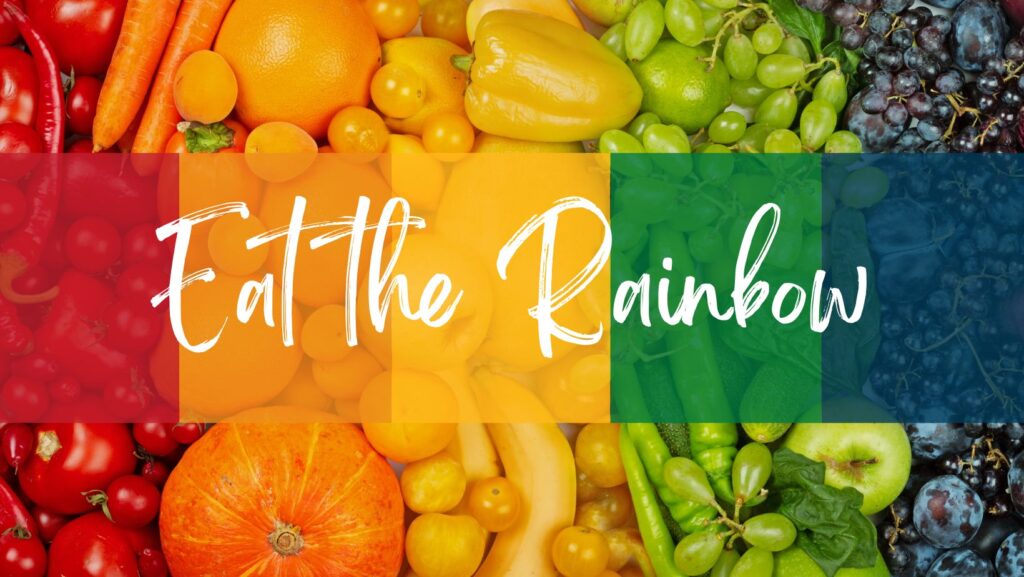
Eating your greens is just common sense, but if you want to reach a ripe old age, you’d better make sure you’re eating your reds, blues, and oranges too. Choosing from a variety of brightly colored fruits and vegetables—often called “eating the rainbow”—is vital for health and longevity because these colors are markers for specific phytonutrients (also called phytochemicals). These natural compounds protect plants from environmental threats and, when consumed, provide humans with potent antioxidant and anti-inflammatory properties that help combat aging and chronic disease.
Why Colorful Produce Promotes Longevity
The deep pigments in fruits and vegetables signify high concentrations of bioactive compounds that support the body’s long-term resilience:
- Cellular Protection: Phytonutrients act as antioxidants, neutralizing free radicals that cause oxidative stress—a primary driver of cellular aging and DNA damage.
- Disease Prevention: High intake of colorful produce is strongly linked to a reduced risk of leading causes of death, including cardiovascular disease, type 2 diabetes, and various cancers.
- Systemic Support: Different colors target different bodily functions, ensuring “whole-body” maintenance. For instance, blue and purple foods are specifically associated with delaying cellular aging and protecting brain health.
The “Rainbow” Health Breakdown
Each color category offers a unique “nutritional team” that contributes to a longer, healthier life:
- Red (Lycopene & Anthocyanins): Supports heart health, improves circulation, and reduces the risk of prostate and breast cancers.
- Sources: Tomatoes, strawberries, raspberries, and red peppers.
- Orange & Yellow (Carotenoids & Vitamin C): Essential for immune function, healthy skin, and vision. Beta-carotene converts to Vitamin A, which protects against age-related macular degeneration.
- Sources: Carrots, sweet potatoes, oranges, and pumpkins.
- Green (Chlorophyll, Lutein, & Zeaxanthin): Rich in cancer-blocking chemicals (like sulforaphane) and Vitamin K, which is crucial for bone health and blood clotting.
- Sources: Spinach, kale, broccoli, and Brussels sprouts.
- Blue & Purple (Anthocyanins & Resveratrol): Powerful antioxidants believed to improve memory, reduce inflammation, and lower the risk of stroke and heart disease.
- Sources: Blueberries, blackberries, eggplant, and purple cabbage.
- White & Brown (Allicin & Flavonoids): Contain anti-tumor properties and help control cholesterol and blood pressure levels.
- Sources: Garlic, onions, cauliflower, and mushrooms.
- Eat the Skins: The most concentrated source of phytonutrients is often in the colorful skins of produce like apples and eggplant.
- Prioritize Variety: Because no single color is superior, a balance of all colors is necessary for optimal health.
- Fill Half Your Plate: The American Heart Association recommends filling at least half your plate with colorful produce to build a balanced, nutrient-dense meal.
Eating a vibrant “rainbow” of fruits and vegetables is a simple, yet powerful, strategy for supporting overall health and potentially increasing longevity. Ultimately, embracing the rainbow is more than a dietary trend; it’s a foundational, daily practice that contributes to a resilient body and mind, paving the way for a healthier, more vibrant, and potentially longer life.