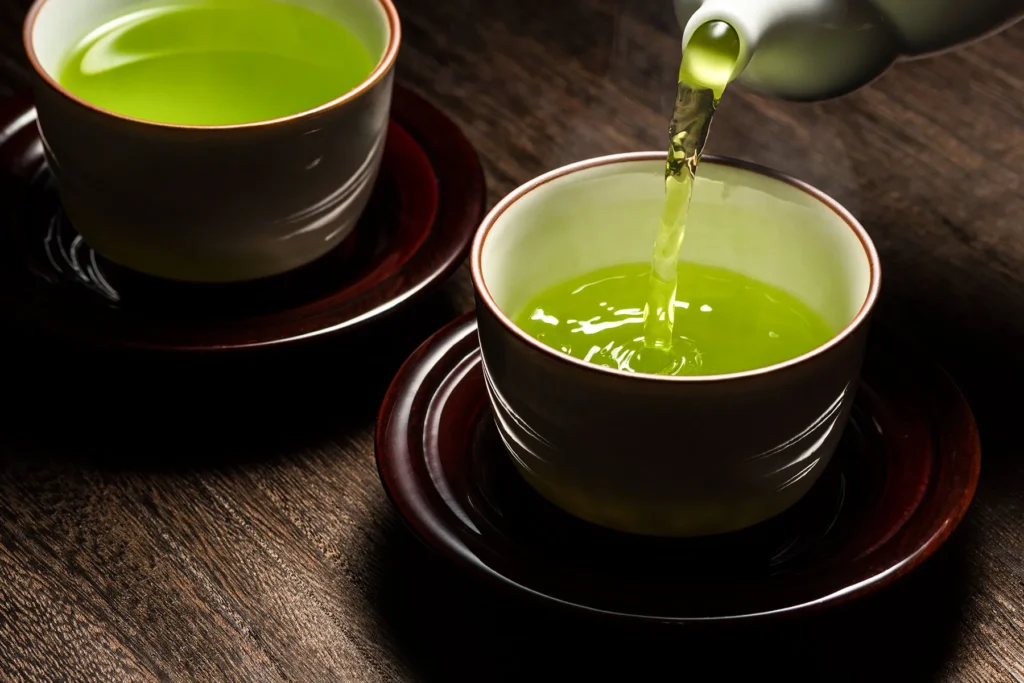
What are your favorite types of tea? Maybe our list will give you a few new types to try! The top teas for health and longevity, often ranked by antioxidant power and disease-fighting compounds, are dominated by green tea, matcha, and white tea for cellular protection, alongside herbal options like hibiscus, rooibos, and ginger for metabolic and cardiovascular support. These beverages can improve cardiovascular health, boost metabolism, and combat inflammation.
Here are the top 10 teas ranked for health and longevity:
- Matcha Green Tea: Considered the nutritional equivalent of 10 cups of regular green tea, matcha provides high concentrations of antioxidants (EGCG) that boost metabolism, enhance athletic performance, and protect against chronic disease.
- Green Tea: Widely regarded as one of the healthiest teas due to its minimal processing, it is packed with polyphenols. It improves cardiovascular health, reduces stroke risk, and helps manage weight.
- White Tea: Less processed than green tea, white tea has potent antioxidant properties that help fight free radicals, reduce inflammation, and may protect against bacterial infection.
- Hibiscus Tea: Known to help manage blood pressure, reduce LDL cholesterol, and improve overall heart health due to its high concentration of antioxidants, including vitamin C.
- Rooibos Tea: A caffeine-free herb from South Africa that is exceptionally high in antioxidants, supporting skin health, lowering inflammation, and promoting longevity.
- Ginger Tea: Highly effective for digestion, reducing nausea, and decreasing inflammation.
- Oolong Tea: Partially oxidized, it helps boost metabolism, aids in weight maintenance by targeting triglycerides, and contains compounds that combat signs of aging.
- Black Tea: Contains flavonoids that improve cardiovascular health, reduce blood pressure, and enhance gut health.
- Peppermint Tea: Caffeine-free and known for supporting digestive health by reducing muscle spasms and bloating.
- Chamomile Tea: Renowned for calming effects, it improves sleep quality, reduces anxiety, and boosts the immune system.
The healthiest loose-leaf tea practices focus on maximizing antioxidants and reducing toxins by using high-quality organic ingredients, proper temperature control, and nutrient-dense, custom blends. Key practices include using 1 teaspoon per 8oz of water, avoiding boiling delicate teas to prevent bitterness, and employing cold-brewing for higher antioxidant extraction.
Try these healthy loose-leaf tea practices:
- Customize Herbal Blends for Functionality: Create your own blends using dried organic herbs, fruits, and spices to avoid artificial flavors. Incorporate ingredients like dried rose hips for Vitamin C, peppermint for digestion, or ginger for circulation.
- Utilize Proper Water Temperatures: Avoid boiling water for green and white teas, which can burn leaves and release excessive tannins, making it bitter. Use water just below boiling.
- Cold-Brew for Maximum Antioxidants: Cold-brewing tea in the refrigerator for 2 hours (or longer) can produce a smoother, less bitter taste and often results in higher antioxidant activity, particularly for green tea.
- Use Proper Tools for Expansion: Use spacious infusers or a teapot rather than tight tea balls, allowing the leaves to fully expand and release their maximum nutritional compounds.
- Store in Glass Containers: Store your homemade tea blends in airtight glass jars or pouches in a cool, dark place to maintain freshness and prevent contamination from plastic.
- Add Healthy Fats: Experiment with “bulletproof” style tea by adding healthy fats like coconut oil or grass-fed butter for sustained energy.
By controlling the quality and sourcing of your ingredients, you ensure your tea is free from pesticides and filler materials often found in commercial tea bags.