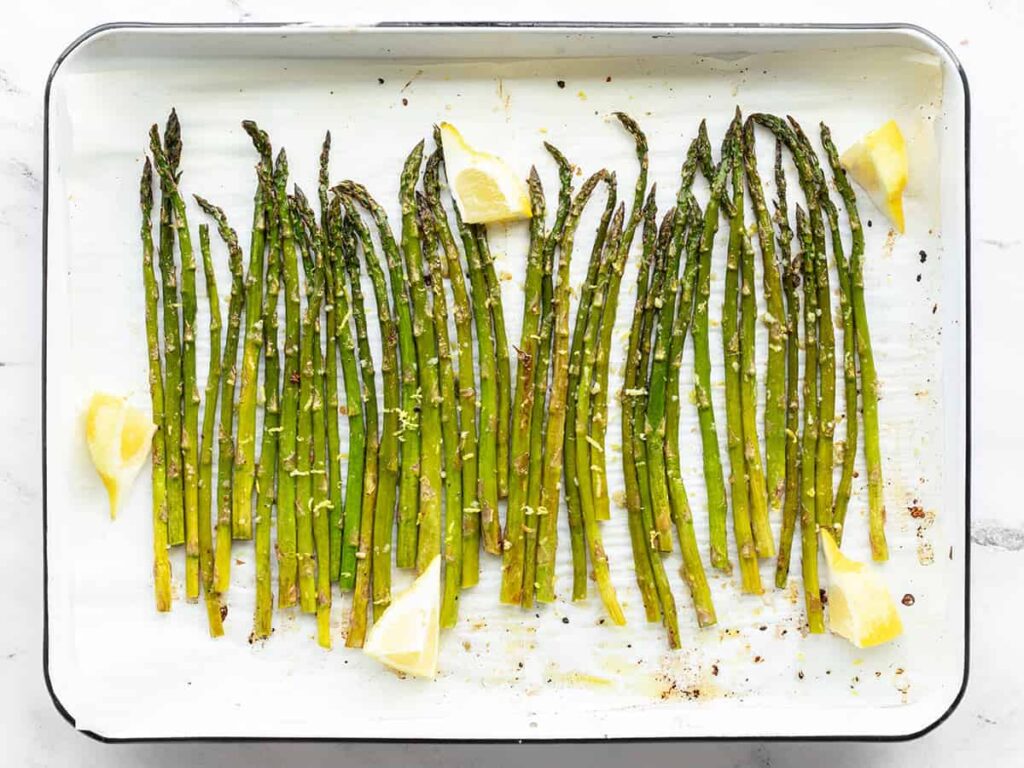
Asparagus is considered a “power food” for health and longevity due to its high nutrient density, low calorie count, and rich concentration of antioxidants, particularly glutathione, which is known to fight free radicals and potentially slow the aging process. Asparagus supports heart health, digestion, and provides essential vitamins and minerals like fiber, folate, and vitamin K.
Why You Should Eat Asparagus for Health and Longevity
- Anti-Aging and Disease Prevention: Asparagus is ranked among the top fruits and vegetables for its ability to neutralize free radicals, which can help fight cancer, prevent heart disease, and reduce inflammation. It contains high levels of the antioxidant glutathione, which is linked to better immune function and liver detoxification.
- Gut Health and Digestion: As a, Excellent source of fiber (about 3g per cup), it aids in digestion, regular bowel movements, and contains inulin, a prebiotic fiber that feeds good gut bacteria.
- Heart Health and Reduced Blood Pressure: The high potassium content helps regulate blood pressure, while folate works to lower homocysteine, an amino acid that can lead to heart disease.
- Bone Health: A single cup of raw asparagus provides over half of the recommended daily intake of vitamin K, which is essential for bone density and blood clotting.
- Natural Detoxification: Asparagus contains the amino acid asparagine, which acts as a diuretic, helping to flush excess salts and fluids, reducing bloating and aiding kidney function.
- Supports Cognitive Function: The high folate levels, combined with Vitamin B12, have been shown to help prevent cognitive decline and improve mental flexibility, particularly in older adults.
How to Incorporate Asparagus into Your Diet
- Roasted with Olive Oil: Toss spears with extra virgin olive oil, garlic, lemon juice, and black pepper, then roast at 400°F-450°F for 10-15 minutes until tender-crisp.
- Grill for Smoky Flavor: Grill with a light coating of olive oil and top with balsamic vinegar or Parmesan cheese.
- Add to Breakfast: Chop and add to omelets, frittatas, or top on scrambles.
- Incorporate into Main Dishes: Slice into stir-fries, mix into pasta (add to boiling water 3 minutes before pasta is done), or include in risottos.
- Raw and Quick Snacks: Use raw in hummus, dips, or in a fresh smoothie with cucumber and lemon.
Tips for Maximum Benefit
- Don’t Overcook: Overcooking makes it mushy; it is best when it retains a slight crunch.
- Store Properly: Keep it fresh by trimming the ends and standing it upright in a jar with an inch of water in the refrigerator, covered loosely with a plastic bag.
- Pair with Fat: Asparagus contains fat-soluble nutrients, so consuming it with healthy fats like olive oil enhances nutrient absorption.