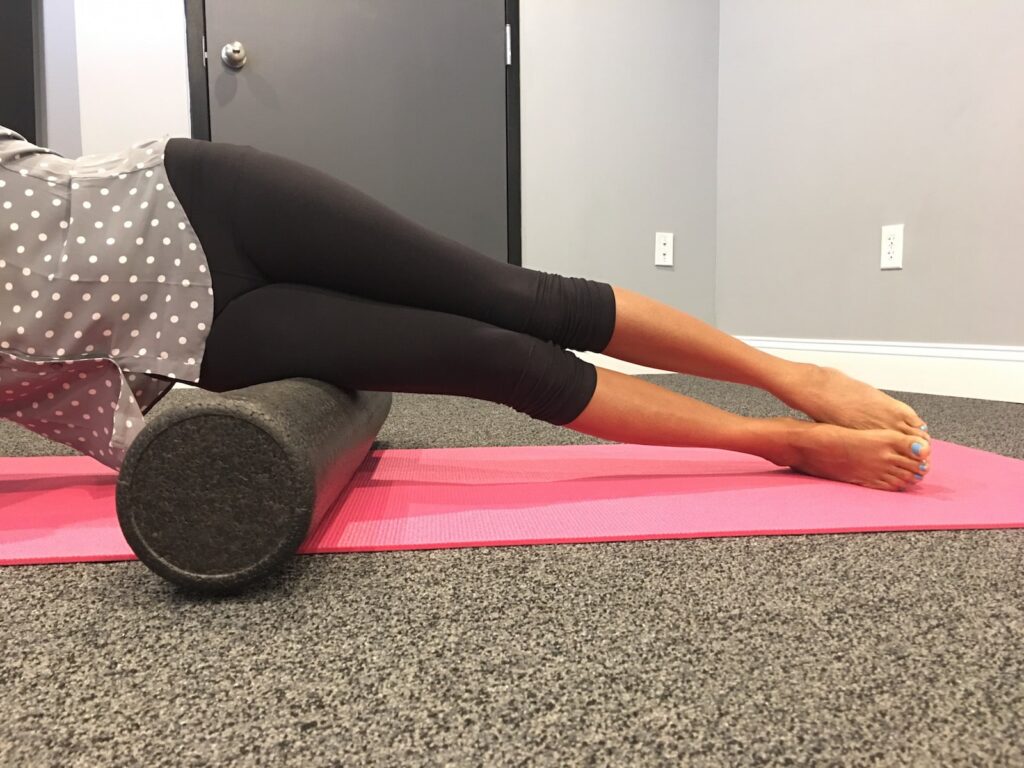
Foam rolling is an effective self-myofascial release (SMR) technique that loosens tight hips by applying deep pressure to break up muscular adhesions, boost blood circulation, and increase joint range of motion. It is particularly beneficial for relieving tension in the hip flexors, glutes, and IT band caused by prolonged sitting or intense exercise, promoting improved flexibility and reduced soreness.
Using rollers on hip muscles improves mobility, reduces soreness, increases circulation, and relieves tension from prolonged sitting or exercise. Targeting areas like the glutes, hip flexors, and side hips with a roller helps break up adhesions, enhances joint range of motion, and aids in faster recovery.
Key Benefits of Hip Rolling:
- Increased Flexibility & Mobility: Improves range of motion in the hip joints, aiding in deeper movement for exercises like squats.
- Pain Relief & Reduced Tightness: Effectively targets deep-seated muscle tension in the hip flexors, glutes, and IT band, helping to alleviate discomfort.
- Improved Blood Flow: Increases circulation, which brings oxygen and nutrients to muscles, aiding recovery and reducing soreness.
- Injury Prevention: Regular use helps loosen tight tissues, reducing fatigue and imbalances that can lead to injury.
- Enhanced Performance: Pre-workout rolling helps wake up muscles, allowing for more efficient movement, while post-workout sessions promote relaxation.
Tips for Effective Hip Rolling:
- Avoid Bones: Focus on the muscle tissue, not the joint or bony areas like the hip bone.
- Move Slowly: Move in slow, controlled motions, pausing on tender spots for 30–60 seconds.
- Targeted Areas: Focus on the outer hip (lateral hip), glutes, and the front of the hip (hip flexors).