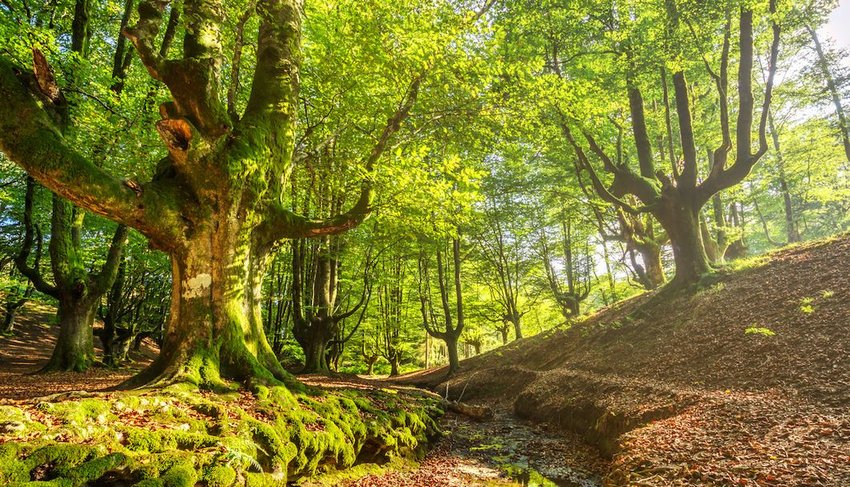
Shinrin-yoku (森林浴), commonly known as “forest bathing,” is a Japanese practice of mindfully immersing oneself in a natural environment to promote physical and psychological well-being. It is a form of preventative healthcare that emerged in Japan in the 1980s and has since gained global recognition as a nature therapy.
Forest bathing offers a wide range of wellness benefits that promote overall health and may contribute to longevity by mitigating risk factors for various diseases.
Key Wellness and Longevity Benefits
- Stress Reduction: Forest bathing consistently lowers levels of stress hormones like cortisol, adrenaline, and noradrenaline. This reduction in chronic stress helps regulate the autonomic nervous system, promoting a “rest and recover” state (parasympathetic activity) over the “fight-or-flight” response (sympathetic activity).
- Enhanced Immune Function: Inhaling phytoncides, the natural organic compounds emitted by trees, increases the number and activity of human Natural Killer (NK) cells. These cells are crucial for fighting off tumors and virus-infected cells, and their increased activity has been shown to last for up to 30 days after a forest visit, suggesting a potential preventive effect against some cancers.
- Improved Cardiovascular Health: The practice has been scientifically linked to lower blood pressure and heart rate. By reducing these metrics and regulating the nervous system, forest bathing helps lower the risk of hypertension, heart disease, and related conditions like stroke.
- Better Mental Health and Cognitive Function: Spending time in nature improves mood, increases vigor, and reduces symptoms of anxiety, depression, anger, fatigue, and confusion. It also enhances cognitive function, attention span, memory, and creativity by allowing the prefrontal cortex of the brain to rest from mental fatigue caused by modern, urban environments.
- Improved Sleep Quality: Exposure to natural light and the calming environment can help regulate circadian rhythms, leading to better and more restful sleep.
Other Physiological Effects
- Reduced inflammation: Exposure to phytoncides has been linked to decreased inflammatory markers in the body.
- Better controlled BMI and blood glucose: Some studies suggest a potential benefit in managing BMI and decreasing blood glucose levels in diabetic patients.
- Potential for disease prevention: The combination of lower stress, improved immune response, and better cardiovascular health contributes to a reduced risk of various non-communicable diseases, a key factor in promoting longevity.
Regular forest bathing acts as a form of preventive medicine, supporting overall well-being and resilience against modern-day stressors and related chronic diseases.
How To Practice
You don’t need a deep wilderness to reap these benefits; an urban park or nature preserve is often sufficient.
Method: Walk slowly, silence your phone, and focus intentionally on the sights, scents, and sounds around you.
Time: Aim for at least 20 to 30 minutes for a noticeable drop in stress, though 2 hours a week is recommended for sustained well-being.