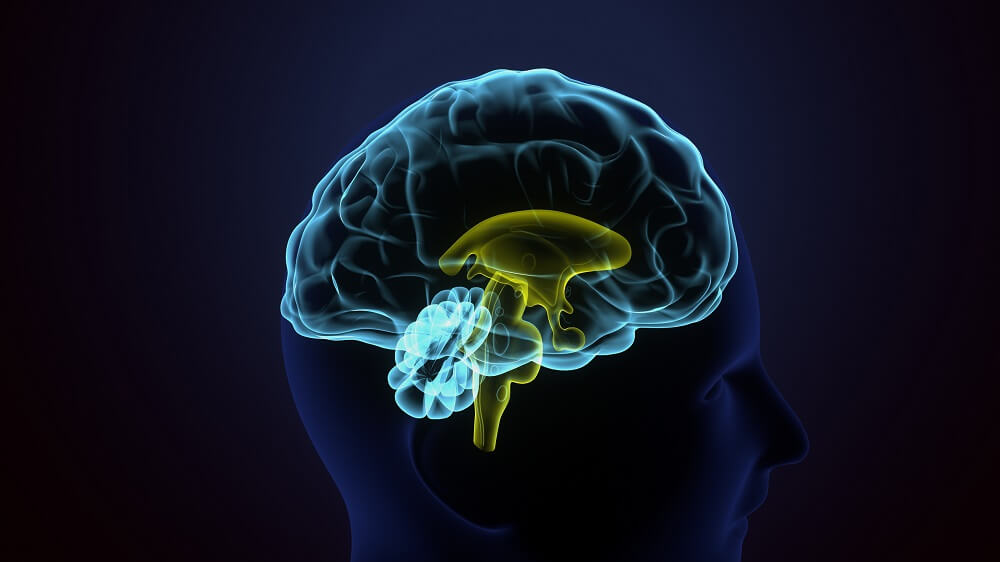
Intermittent fasting (IF) is a powerful tool for extending healthspan, acting as a structural reset for neural biology. Recent research shifts the narrative from pure weight loss to how metabolic switches optimize cognitive resilience.
The Metabolic Switch and Cellular Defense
Fasting triggers a shift from glucose to fat-derived energy. This shift acts as an evolutionary stress-test that upgrades the brain’s internal architecture.
- Ketone Fueling: Depleting liver glycogen forces the liver to produce ketone bodies like beta-hydroxybutyrate (BHB). Ketones burn more efficiently than glucose, reducing oxidative stress and providing stable, long-lasting mental energy.
- Autophagy Activation: Fasting downregulates the mTOR pathway, pushing neurons into a resource-conservation mode. This triggers autophagy, a self-cleaning mechanism that clears out damaged mitochondria and misfolded proteins (like amyloid-beta) before they can cause cognitive decline.
- The BDNF Boost: Metabolic switching dramatically increases Brain-Derived Neurotrophic Factor (BDNF). BDNF acts like fertilizer for the brain. It stimulates neuroplasticity, strengthens synaptic connections, and protects existing neurons from age-related degradation.
Key Recent Discoveries
1. Rewiring the Gut-Brain Axis
Data shows a direct correlation between intermittent fasting, changes in the gut microbiome, and functional shifts in the brain. Diet protocols like alternate-day fasting significantly increase beneficial bacteria (such as Faecalibacterium prausnitzii) while lowering pro-inflammatory strains like E. coli.
These microbial changes map directly to decreased activity in brain regions associated with addiction and appetite. Simultaneously, they increase activity in the left orbital inferior frontal gyrus, a region essential for executive function and willpower.
2. Reversing the “Brain Age Gap”
Clinical trials evaluating the 5:2 fasting regimen in older, insulin-resistant adults show that intermittent fasting successfully narrows the brain-age gap on MRI scans. By decreasing brain glucose and reducing localized insulin resistance, fasting helps correct the pace of biological brain aging.
3. Therapeutic Neuroprotection
While still under investigation for long-term preventative efficacy, human clinical trials show that intermittent fasting offers noticeable symptom management for neurological conditions. Notable improvements in fatigue, sleep quality, and systemic neuroinflammation have been documented in patients managing Multiple Sclerosis and cognitive decline.
4. The “Brain Fog” Myth Debunked
Large-scale reviews have updated our understanding of acute fasting and daily productivity. While fasting does not grant instant superhuman intelligence, it also does not diminish cognitive performance, decision-making speed, or memory accuracy in healthy adults. The brain adapts seamlessly to brief periods without food. However, children and teenagers should avoid extended fasts, as younger brains show a slight performance reduction when deprived of glucose.