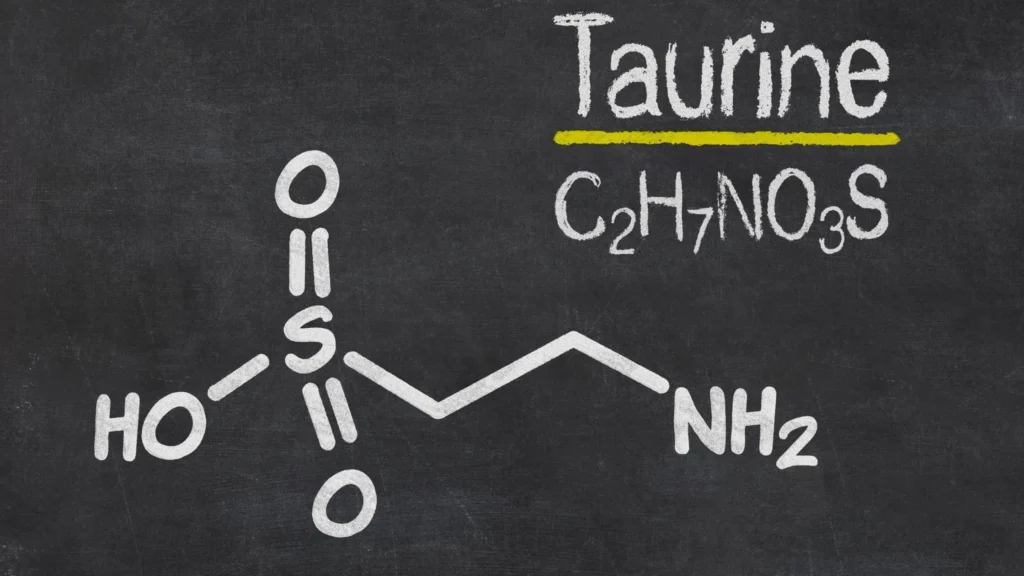
For longevity and healthspan, getting enough taurine is important because it directly targets several foundational cellular hallmarks of aging, protects the cardiovascular system, and stabilizes metabolic health.
While our bodies can produce some taurine, this capacity may drop with age. The scientific conversation around taurine evolved dramatically following a landmark cross-sectional study in Science showing that taurine supplementation extended animal lifespan by 10% to 12%. However, longitudinal data from the National Institutes of Health (NIH) indicates that human taurine levels fluctuate individually and do not strictly decline across the board, moving the scientific consensus toward viewing taurine’s benefits as highly “context-dependent” rather than a universal magic bullet.
Cellular and Anti-Aging Mechanisms
At the microscopic level, proper taurine levels act as a safeguard for your cells, preventing the structural degradation that typically defines biological aging.
- Mitochondrial Efficiency: Taurine is crucial for mitochondrial tRNA function. It optimizes ATP (energy) production and directly dampens the creation of reactive oxygen species (ROS), preventing internal cellular “burnout”.
- Clearing “Zombie Cells”: Research indicates that taurine helps reduce cellular senescence. It stops older, damaged cells from lingering and releasing inflammatory proteins that damage neighboring healthy tissues.
- DNA and Telomere Protection: Taurine has been shown to reduce DNA damage and mitigate the harmful effects of telomerase deficiency, preserving genetic stability over time.
Metabolic and Cardiovascular Healthspan
Healthspan refers to how long you live free of chronic disease. Human clinical trials reveal that maintaining adequate taurine offers significant systemic protection:
- Blood Pressure Regulation: Human trials demonstrate that taurine supplementation can contribute to modest reductions in blood pressure and improvements in general arterial flexibility.
- Glycemic Control: Higher systemic taurine levels correlate with a lower prevalence of type 2 diabetes and obesity. It enhances insulin sensitivity and helps regulate blood sugar homeostasis.
- Lipid Management: Taurine is a key component of bile acids produced by the liver, meaning it plays an active, daily role in breaking down dietary fats, improving cholesterol clearance, and lowering harmful triglycerides. Wild Sockeye Salmon is a phenomenal source of taurine, providing approximately 94 mg to 250 mg of taurine per 100-gram serving (roughly 3.5 ounces).
- Comparative nutritional analyses indicate that wild Sockeye is one of the most nutrient-dense salmon varieties available. It frequently outperforms standard farmed salmon across several key healthspan metrics.
Why Wild Sockeye Stands Out for Longevity
- The unique lifecycle and diet of wild Sockeye salmon enhance its nutritional profile compared to other varieties:
- The Krill and Plankton Diet: Wild Sockeye feed primarily on zooplankton and krill. This diet gives them a deep ruby-red color and loads their tissue with astaxanthin, a potent anti-inflammatory antioxidant. This compound works alongside taurine to protect cells from oxidative stress.
- Superior Omega-3 Levels: Wild Sockeye has some of the highest concentrations of heart- and brain-healthy EPA and DHA omega-3 fatty acids of any fish (about 2.6 to 2.7 grams per 100g).
- Naturally Lean Muscle Tissue: Because they swim thousands of miles in the wild, their meat is high in protein and rich in the specific amino acids found in active muscle tissue, including taurine.
- Preparation Tip to Save Taurine
- Taurine is highly water-soluble. When you boil or poach fish, a significant portion of the taurine leaches out into the cooking water. To preserve the maximum amount of taurine in your Sockeye salmon, opt for dry-heat methods like baking, pan-searing, or grilling.