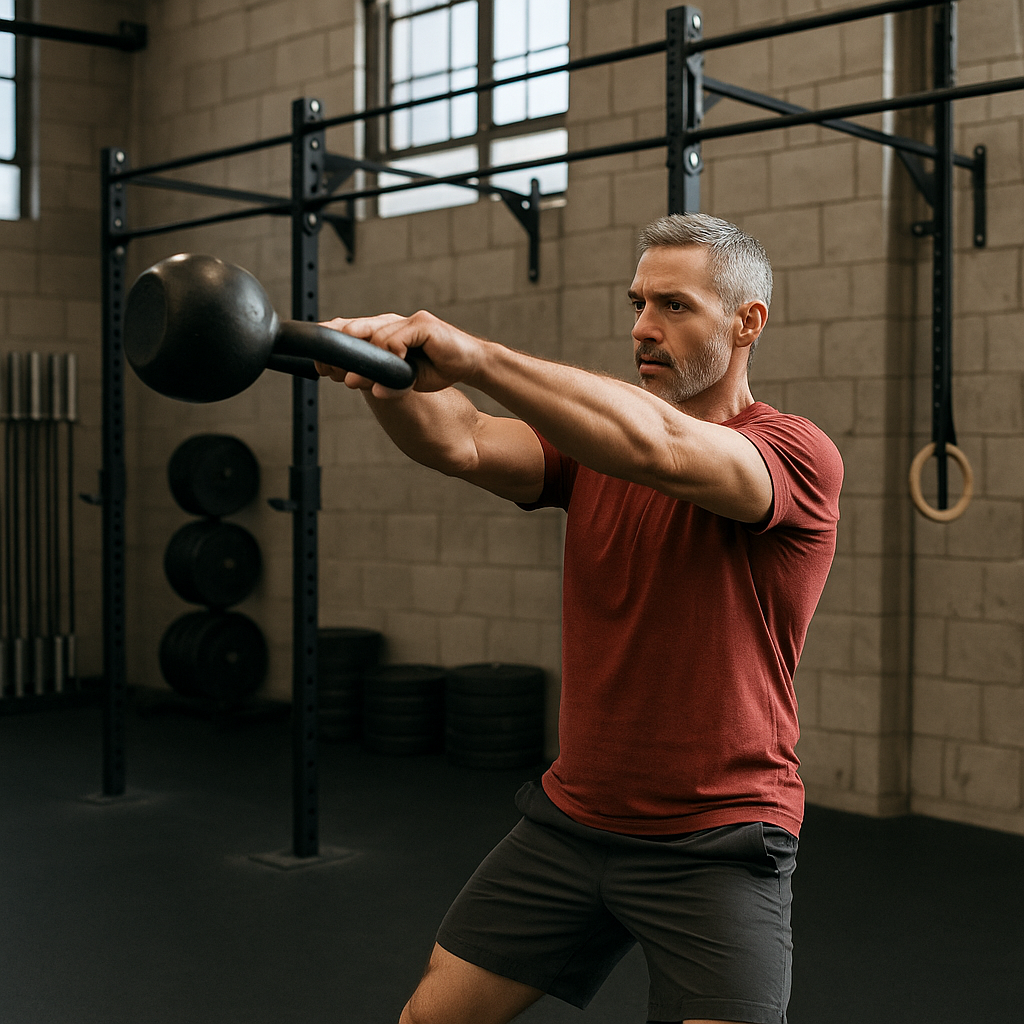
Recent longevity and wellness headlines feature major shifts toward healthspan over lifespan, including strength training lowering mortality risks, the rise of “functional longevity” in consumer wellness, and new clinical focus on unapproved anti-aging peptide trends.
Exercise and Everyday Healthspan
- Lifting weights reduces all-cause mortality: A recent analysis highlighted by The Conversation shows that doing 90 to 120 minutes of weekly strength training cuts the risk of dying from any cause by 13%, while also lowering risks of cardiovascular disease and dementia.
- Midlife micro-habits: Public health guidance published via the New York Times emphasizes simple midlife interventions—like getting routine vaccinations (such as the shingles vaccine)—which show a surprising 20% reduction in cognitive decline risks.
Industry and Cultural Shifts
- Functional Longevity vs. Anti-Aging: Reports from the Global Wellness Institute note that traditional cosmetic “anti-aging” is being replaced by a focus on physical strength, cellular performance, and long-term vitality.
- The Peptide Craze and Regulatory Scrutiny: Outlets like Medical Xpress report that wellness and longevity clinics are facing tighter reviews over unapproved, influencer-marketed peptide injections promoted for age-reversal.
The concept of “Functional Longevity” represents a fundamental shift away from traditional, aesthetic-driven anti-aging strategies. According to findings from the Global Wellness Institute (GWI), consumers—particularly those over the age of 50—are abandoning efforts to chase a superficial, youthful appearance.
Instead, they are prioritizing healthspan, which emphasizes the retention of biological function, physical autonomy, and sharp cognition.
Redefining the Pillars of Aging
This shift structurally changes how health and wellness products are consumed and developed across three core domains:
1. Physical Capacity Over Youthful Skin
- Traditional anti-aging focused on hiding wrinkles, sagging skin, and visual signs of decline.
- Functional longevity prioritizes lean muscle mass, joint mobility, and balance.
- Fitness programming is shifting from weight-loss cardio toward fall prevention and resistance training to preserve everyday strength.
2. Inside-Out Longevity Aesthetics
- The beauty and skincare markets are transitioning into what GWI calls “longevity aesthetics”.
- The skin is treated as a visible readout of internal, systemic health rather than a superficial surface.
- New therapies target biological markers, using deep cellular repair and metabolic data instead of temporary topical cover-ups.
3. Proactive Cognitive Health
- Mental sharpness is no longer treated reactively once cognitive decline begins.
- Consumers view brain health as a primary longevity metric to be actively optimized.
- Daily habits like sleep regulation, targeted nutrition, and novelty learning are used to support long-term neuroplasticity.