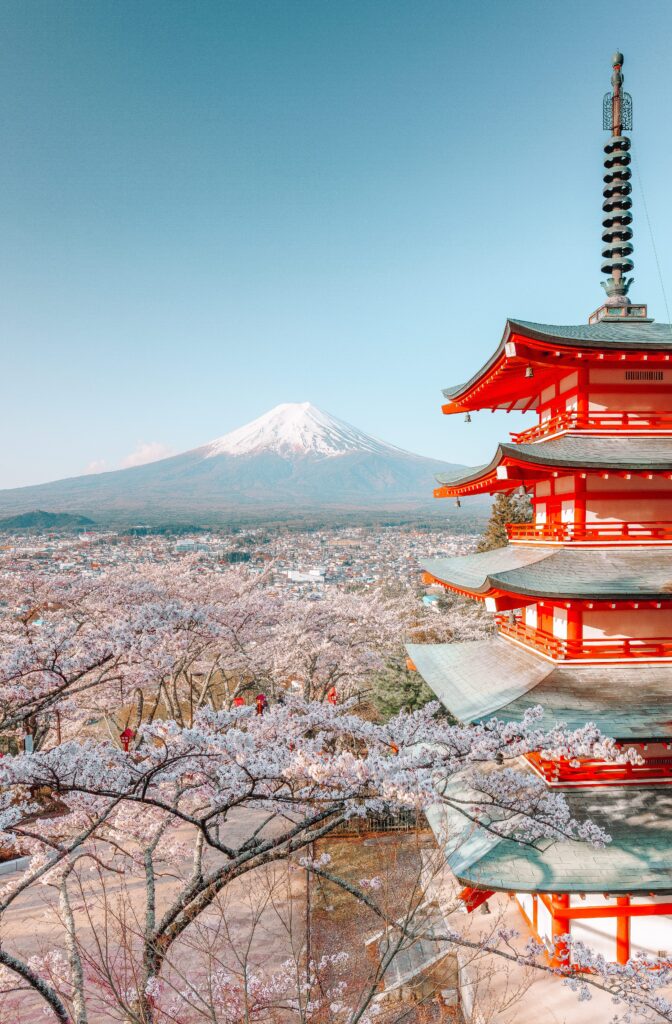
Japan has one of the highest life expectancies in the world, a feat largely attributed to simple, accessible daily routines rather than complex medical interventions. Incorporating small practices centered on moderation, natural movement, and mindfulness can significantly boost your long-term health, slow down the aging process, and lower stress levels.
These five simple Japanese habits can easily be integrated into your own daily life to promote longevity:
1. Practice Hara Hachi Bu (Eat Until 80% Full)
Originating from a Confucian teaching popularized in Okinawa, Hara Hachi Bu instructs people to stop eating when they feel roughly 80% satisfied, rather than completely full. Because it takes approximately 20 minutes for your stomach to signal fullness to your brain, stopping early prevents overeating, lightens the load on your digestive system, and naturally keeps daily calorie intake in check.
- How to do it: Put your utensils down between bites, eat slowly, and pause mid-meal to assess your actual hunger before deciding to finish your plate.
2. Drink Green Tea (Sencha or Matcha) Daily
Green tea is a core staple of the Japanese lifestyle, consumed multiple times a day. It is heavily packed with antioxidants known as catechins, which have been shown to protect cellular health, support heart function, improve digestion, and lower the risk of chronic illness.
- How to do it: Swap out one of your daily coffees or sugary beverages for a freshly brewed cup of high-quality green tea or matcha.
3. Embrace “Incidental” Daily Movement
Rather than relying on intense or exhausting gym sessions, longevity in Japan is supported by weaving gentle, natural physical activity directly into the day. Activities like walking to public transit, taking stairs, active gardening, and participating in Radio Taisō (short, low-impact morning stretching routines) keep the body limber and support cardiovascular health without causing excessive joint strain.
- How to do it: Park slightly further from your destination, take a 10-minute walk after meals, or do light full-body stretches immediately when you wake up.
4. Take an Evening Hot Bath (Ofuro)
Taking a deep, warm soak in a bathtub is a nightly ritual for millions of Japanese people. This habit goes beyond simple hygiene; the hydrostatic pressure and heat from the water improve blood circulation, lower cortisol levels, and ease muscle tension. This ritual helps transition the nervous system into a relaxed, parasympathetic state, leading to higher-quality restorative sleep.
- How to do it: Set aside 15 to 20 minutes in the evening to soak in a warm bath to disconnect and wind down before bed.
5. Define Your Ikigai (Your Sense of Purpose)
Longevity in Japan is treated as a mental and emotional practice just as much as a physical one. Ikigai translates to “a reason to wake up in the morning“. Cultivating a clear sense of purpose—whether it is a career passion, a creative hobby, caring for grandchildren, or volunteering—is scientifically linked to lower rates of cardiovascular disease, lower depression, and greater cognitive sharpness in older age.
- How to do it: Identify a small, meaningful objective outside of your daily chores that brings you joy, and dedicate intentional time to it every single week.